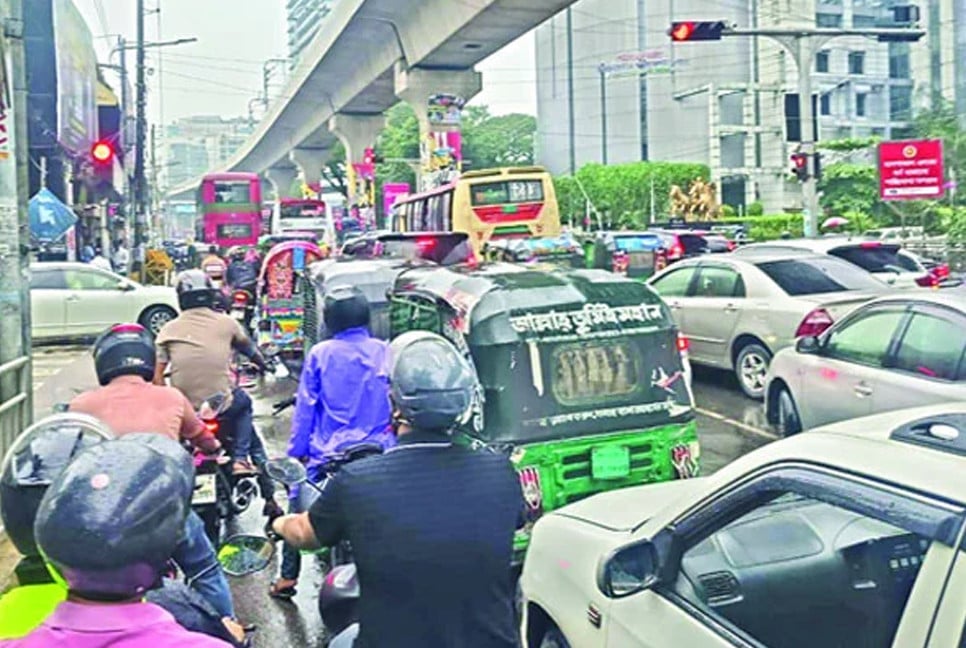
While Bangladesh’s economic narrative often highlights growth, progress in poverty reduction paints a far less encouraging picture. After years of steady decline, the poverty rate has slowed significantly — and has now been rising for four consecutive years.
Analysts note that although growth continues, its benefits are reaching the poorest households far less effectively. Inequality is widening, and millions of families are becoming increasingly trapped in cycles of livelihood insecurity. Recent reports show that between 2010 and 2016, Bangladesh made strong gains in reducing poverty, with consumption levels among poor households rising rapidly. However, after 2016 the growth pattern shifted: high-income households captured larger gains, while incomes among low-income groups stagnated. As a result, the rate of poverty reduction fell sharply between 2016 and 2022.
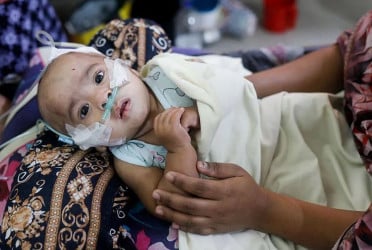
Today, more than 30 million people in the country live below the poverty line. A further 60 million — roughly one-third of the population — remain highly vulnerable to slipping back into poverty due to shocks such as serious illness, natural disasters, or economic downturns.
Each 1 per cent of GDP growth now reduces poverty by only 0.9 per cent, compared with the South Asian average of 1.5 per cent. In effect, growth is no longer functioning as a strong engine for poverty alleviation.
Dr Md Abu Yusuf, Executive Director of Research and Policy Integration for Development (RAPID) and Professor of Development Studies at the University of Dhaka, said, "The pace of poverty reduction has slowed dramatically. That is the biggest warning sign. It is easy to show rapid growth on paper, but the real task is ensuring that its benefits reach the incomes and expenditures of the poorest. When inequality rises, poverty becomes entrenched and development becomes fragile.”
He added, “Inflation, climate risks, and slow job creation in urban areas will make reducing poverty even more challenging in the coming years. Policies must now focus on raising incomes, expanding employment, and accurately identifying beneficiaries for social protection.”
The report identifies several key drivers of rising poverty: insufficient job creation, job losses, high inflation, and stagnant wages. Between 2023 and 2024, around two million jobs were lost, and a further 800,000 job losses are feared in 2025.
At the same time, household expenditure has risen across sectors. Although the government has expanded social safety nets and assistance programmes, weaknesses in beneficiary identification mean many genuinely poor families are still missing out. Meanwhile, improvements in basic services remain limited. School enrolment has increased, but learning outcomes remain poor. Healthcare costs continue to rise, yet service quality has not kept pace. Inflation — particularly rising food and essential commodity prices — has placed direct and severe pressure on low-income households.
According to the report, climate-related risks threaten to erode Bangladesh’s hard-earned progress in reducing poverty and regional inequality. Climate change could displace 13 million people by 2050 and may reduce agricultural GDP by nearly one-third.
Bd-pratidin English/ ANI