Harmony is a subtle yet essential element in society, invisible to the eyes but deeply felt through insight and reflection.
It extends beyond mere peace or silence; it embodies clear thinking, ethical equality, and above all, a profound sense of human consideration.
When individuals extend hands of cooperation, trust, and faith, and those hands unite unbreakably, true harmony emerges in a society or state.
This harmony does not form in isolation; it begins within the family, spreads through communities, districts, and regions, and ultimately represents the nation on the global stage.
As citizens envision the future of Bangladesh, fostering full harmony through unity, affection, and solidarity within social order becomes the primary objective.
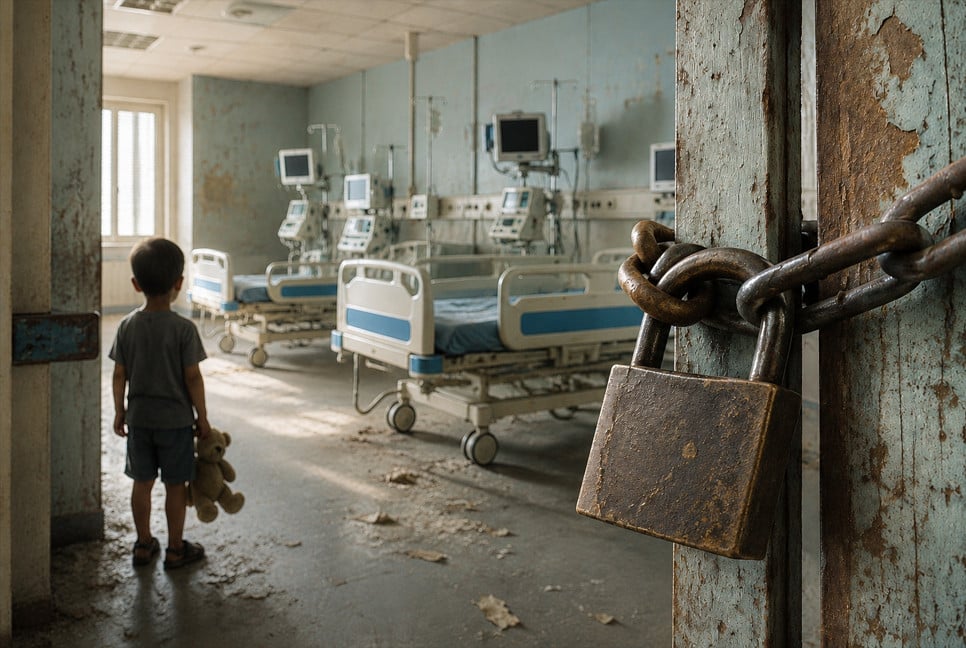
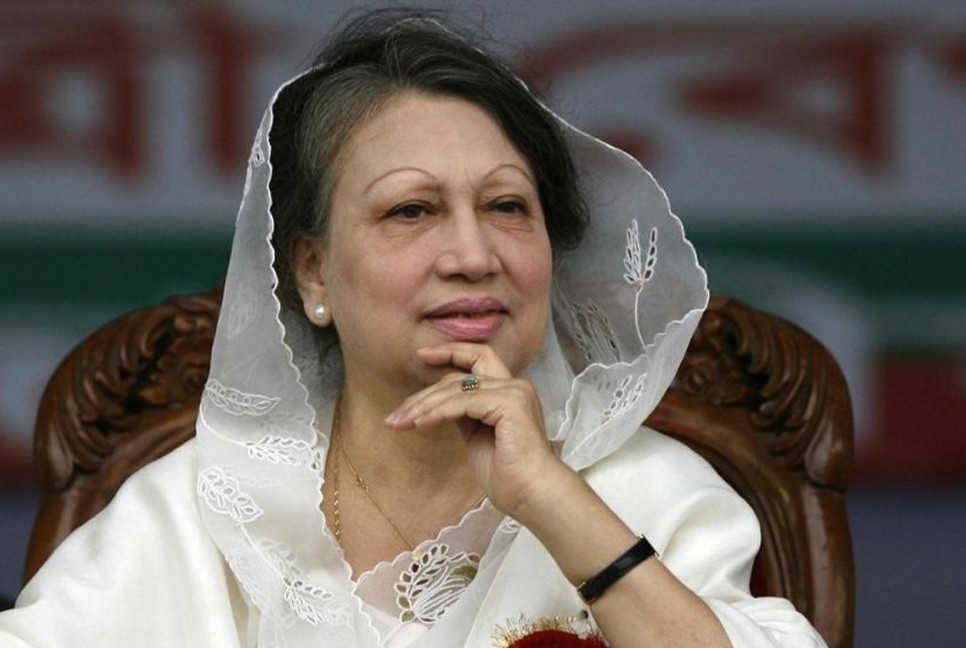
Yet, today, this path faces a profound challenge. Against this backdrop, one of the nation’s key political leaders, BNP Chairperson Khaleda Zia, confronts a life-threatening illness.
Her stay at Evercare Hospital in Dhaka, hovering between life and death, mirrors the ongoing struggle for political harmony and the persistence of division in the country.
Even amid critical illness, Khaleda Zia’s stature as a national figure has resonated widely, both domestically and internationally. Many regard her as the embodiment of patriotism, integrity, unity, and political harmony—a living example of the nation’s “motherland spirit.”
Khaleda Zia’s life has been defined by struggle and sacrifice. Married at a young age, she faced the uncertainty and peril of the 1971 Liberation War while caring for her two young sons as her husband, then Major Ziaur Rahman, declared independence and joined the battlefield.
Her hardships continued through the military coups, the revolutions of August and 7 November 1975, and political unrest. On 30 May 1981, when a rogue faction of soldiers assassinated President Ziaur Rahman, Khaleda Zia lost her husband prematurely and shouldered the responsibility of restoring democratic governance and protecting national ideals.
She led the nine-year struggle against autocrat General Hussain Muhammad Ershad, symbolising unity and people’s resistance.
Following Ershad’s fall during the 1990 popular uprising, Khaleda Zia’s BNP secured a majority in the 1991 parliamentary elections, and she formed the government.
As the first female Prime Minister of Bangladesh, she expanded women’s education, healthcare, and universal primary schooling, ushering in unprecedented economic progress recognised internationally.
TIME magazine highlighted her on its cover under the title “Bangladesh: Emerging Tiger,” underscoring the country’s economic growth.
However, these achievements sparked envy among local and international factions, leading to anti-government movements that destabilised the country.
The political crisis escalated, prompting the 1996 national elections under constitutional amendments that reinstated the caretaker government system—a historic achievement for political harmony.
Unfortunately, the government led by the Awami League removed this system from the constitution in 2011, deepening political divisions.
Since then, BNP leaders and activists have faced oppression, enforced disappearances, killings, and imprisonment. Khaleda Zia herself was forcibly evicted from her family home at Dhaka Cantonment and subjected to politically motivated legal cases.
Her younger son, Arafat Rahman Koko, suffered abuse abroad and passed away, while her elder son, BNP Acting Chairman Tarique Rahman, has remained in exile in London for 17 years under false cases.
The current Awami League government, led by Sheikh Hasina, has subjected Khaleda Zia to severe persecution.
In February 2018, the government imprisoned her following a politically motivated verdict. She has since suffered serious illness without access to advanced medical treatment.
Today, Khaleda Zia remains hospitalised at Evercare Hospital, confronting a critical life-and-death situation. Millions of citizens both at home and abroad pray for her recovery.
Medical experts continue relentless efforts to restore her health, and there is widespread hope that she will return safely to public life.
Throughout her life, Khaleda Zia has remained devoted to the nation and society. Even confined to a hospital bed, she continues to symbolise service to the country.
She truly embodies the spirit of the “motherland.” By following her example and embracing the principles of harmony she represents, Bangladeshis can unite for the welfare of the nation and build a brighter future based on the “31-Point Programme”—a commitment that is most urgent today.
Author: Cultural Activist and Political Analyst.