Begum Khaleda Zia today is not just a name; she is an institution— a history. She is the only dependable source of hope and aspiration for the nation, the address of nationalist forces. There is currently no government or opposition party in the true sense. She is now the leader of everyone, irrespective of party affiliation, and a figure of deep respect for all— a national elder, a guardian of the nation. Her illness has created a sense of national unity.
Throughout her political life, she has struggled to establish democracy, protect people’s rights, preserve the country’s independence and sovereignty, uphold the values of the Liberation War, and implement the ideals of martyred President Ziaur Rahman. She never bowed to injustice. She loved the country and its people with all her heart. The way people across the country are praying for her recovery is truly rare. Earning such prayers is a great blessing; only a virtuous person can receive such love.
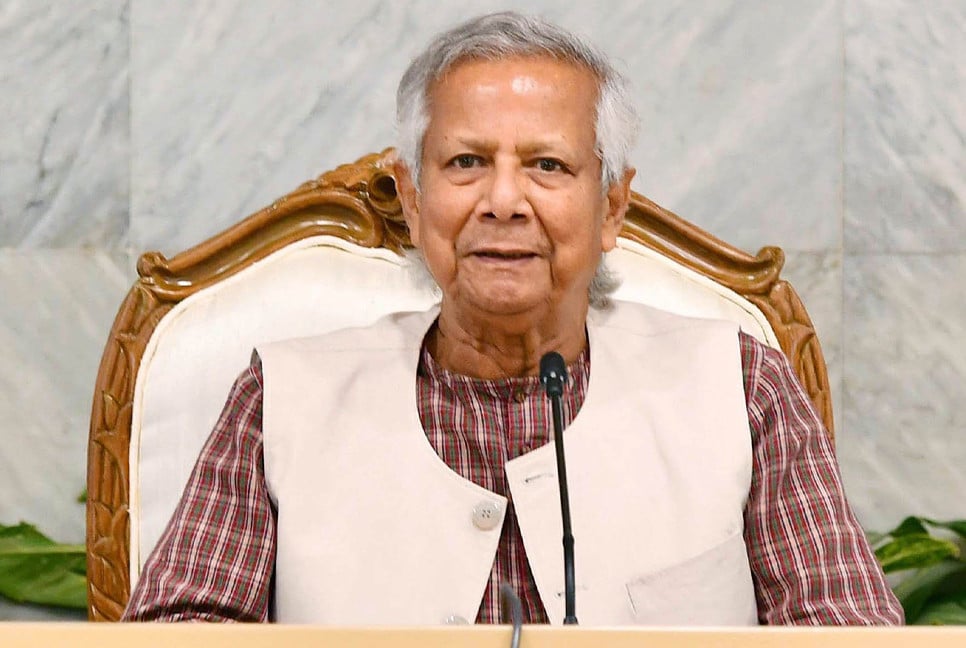
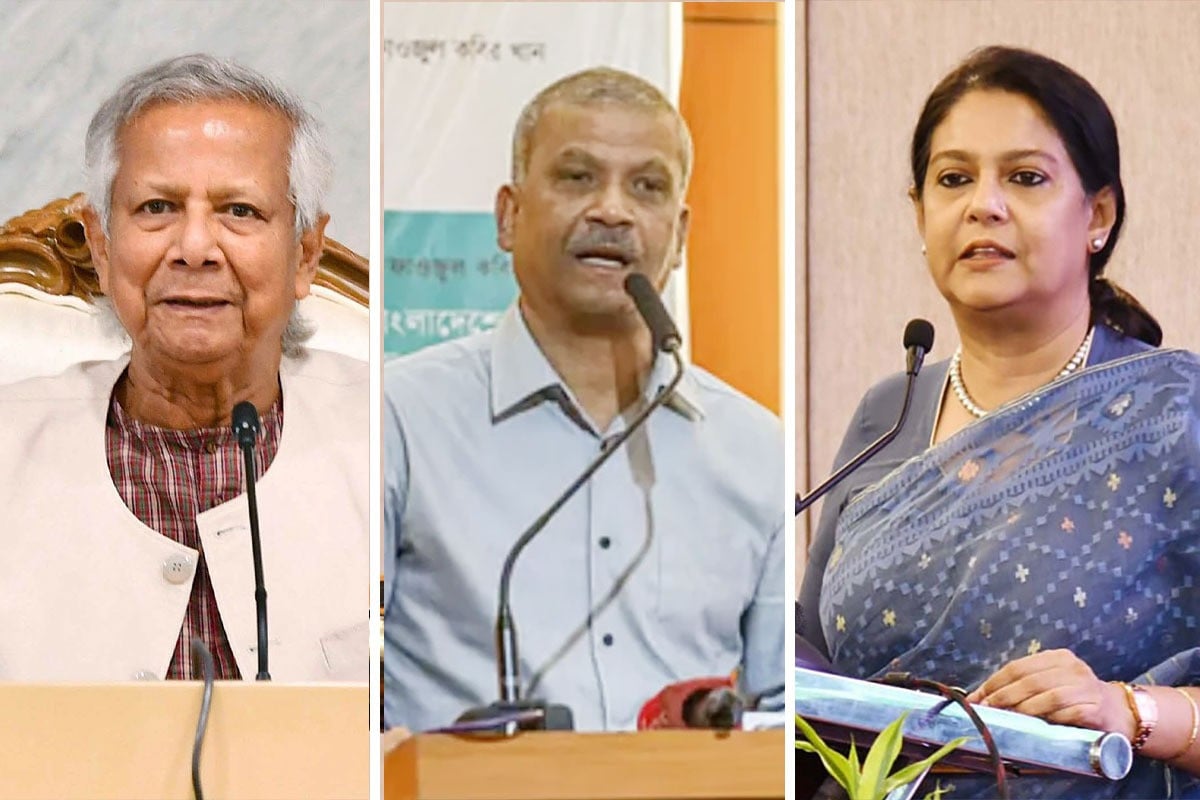
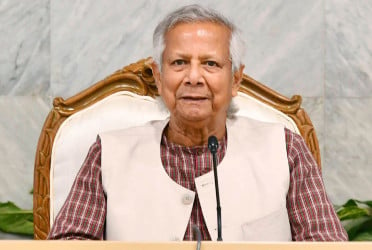
On 21 November, Begum Khaleda Zia attended the Armed Forces Day reception at Senakunja. Political leaders, diplomats, and prominent military and civilian figures showed her unreserved respect. Two days later, on 23 November, she was admitted to Evercare Hospital. As her condition deteriorated, widespread worry and anxiety spread among the public. President Md Sahabuddin sought prayers for her recovery. Chief Adviser Dr Muhammad Yunus visited Khaleda Zia at Evercare yesterday. Earlier, he personally requested prayers from citizens for her. A special prayer was also held during the meeting of the Advisory Council. Many members of the Advisory Council, including the Home Adviser Lt Gen (Retd) Md Jahangir Alam Chowdhury, Law Adviser Asif Nazrul, and Information Adviser Mahfuz Alam, rushed to the hospital and prayed for her recovery.
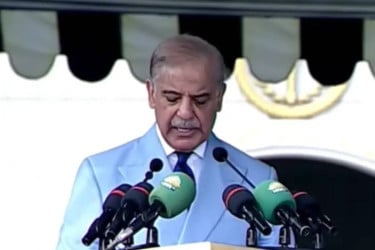
Pakistan’s Prime Minister Shehbaz Sharif sent a letter expressing concern over her illness. He wrote, “I am deeply concerned to learn of your recent illness. On behalf of the people and government of Pakistan, and personally, I extend my heartfelt prayers and best wishes for your swift and complete recovery.” He added, “Your remarkable contribution to Bangladesh’s development is widely acknowledged. We deeply value your role in strengthening the fraternal ties between Bangladesh and Pakistan.” India’s Prime Minister Narendra Modi also expressed concern over her illness. In a post on his verified X account, he wrote, “Deeply concerned to learn about Begum Khaleda Zia’s health condition. For many years, she has made significant contributions to public life in Bangladesh. Wishing her a speedy recovery. India stands ready to assist in any way needed.”
Jamaat-e-Islami Ameer Dr Shafiqur Rahman visited Khaleda Zia at the hospital and prayed for her recovery. Jamaat's Nayeb-e-Ameer Dr Syed Abdullah Mohammad Taher also prayed for her health and said, “BNP Chairperson Khaleda Zia is a patriotic, democratic, and uncompromising leader. She is not just a leader of a party—she is the leader of all the people of the country. In today’s political crisis, the nation needs Begum Zia more than ever.” His humane and generous remarks were widely appreciated as reflecting the emotions of the people.
Hefazat Ameer Muhibullah Babunagari also called upon people to pray for her recovery. In a statement, he said, “We pray that Allah grants her a quick recovery and the strength to guide the nation again in these difficult times. Ameen. In 2013, she stood firmly for Islam, the country, and the nation by opposing the anti-Islamic atheists at Shahbagh. Ignoring the conspiracies of pro-India secular progressives, she supported the Hefazat movement and instructed her party leaders to stand by them. She is a patriotic and courageous woman of faith. Political leaders have much to learn from her.”
Islamic scholar Maulana Mizanur Rahman Azhari said that it is a great blessing for Khaleda Zia to receive such love and prayers from people of all backgrounds.
In addition, Mahmudur Rahman Manna, President of Nagorik Oikya; Zonayed Saki, Chief Coordinator of Gonoshonghoti Andolon; NCP Chief Coordinator Nasir Uddin Patwary; Senior Joint Member-Secretary Dr. Tasnim Jara; chief organizer (South Region) Hasnat Abdullah and other NCP leaders hurried to the hospital to inquire about her health and prayed for the recovery of the “nation’s guardian.” Meanwhile, hundreds of people have been waiting outside the hospital gates day and night for updates on their beloved leader’s condition. A senior citizen traveled from his village despite being unwell himself, hoping to see her. Unable to do so, he sat outside the hospital reading the Qur’an. Some stood silently wiping tears. Standing at the Evercare Hospital gate, one can see how dearly loved she is by the people of this country— a level of universal love and respect no other political leader in Bangladesh’s history has received.
On 30 May 1981, when President Ziaur Rahman was assassinated, Khaleda Zia was simply a housewife, living in Dhaka Cantonment with her two young sons. She knew nothing of politics. A grieving widow, a mother of two. The BNP, founded by President Zia, was in turmoil— unsure whether it could survive or who would lead it. The 78-year-old Vice President Justice Abdus Sattar took over as Acting President. Much history followed. Eventually, through the love and insistence of party members, Khaleda Zia stepped out of her domestic life and became a political worker on 3 January 1982 by formally joining the BNP. That same year, on 7 November, she laid a wreath at Ziaur Rahman’s grave and delivered her first brief speech to party workers. That marked the beginning of her political journey. For 43 long years, she has walked the difficult and slippery path of politics with unwavering determination, upholding an uncompromising image. Throughout her political life, she has given everything to the country and its people. On the final page of her life’s ledger, the unconditional love of the people is her rightful and greatest achievement.
As his mother lies critically ill, her beloved son Tarique Rahman— admired by BNP activists— cannot return to the country. As questions began to grow about why he was not returning, he felt compelled to clarify his position. On 29 November, he wrote on his verified Facebook page, “In such a crisis, I too feel the intense longing for my mother’s affection, like any child. But unlike others, the opportunity to make an independent decision and fully control the matter is not entirely open to me. I cannot elaborate on this sensitive issue. As soon as the political reality reaches the expected stage, my long and anxious wait to return home will come to an end— our family is hopeful.” Many who previously questioned why Tarique Rahman was not returning have understood the reality. Yet this has raised several new questions among the public.
The first question: Is the government obstructing his return? Does the government plan to sideline him and install another party in power? Or is it preventing his return to stay in power long-term? The government has denied these assertions strongly and clearly. It also announced that all necessary security measures would be ensured for Tarique Rahman.
The second question, long circulating but seldom spoken due to sensitivity, is this: Are the military officers who mistreated Tarique Rahman during the 1/11 era, or their associates, now blocking his return? Although no direct answer has surfaced, the respect shown to Khaleda Zia by the Army Chief General Waker-Uz-Zaman, Navy Chief Admiral Mohammad Nazmul Hassan, and Air Force Chief Air Chief Marshal Hasan Mahmood Khan at Senakunja on 21 November—and their visit to Evercare Hospital on 2 December— speak volumes. This has conveyed many unspoken messages. Even so, to remove doubts among the people, it is expected that the Armed Forces will take appropriate steps.
The third question: Is any foreign power blocking Tarique Rahman’s return? No one knows the answer except Tarique Rahman himself.
The people of Bangladesh hope that Tarique Rahman will return at the right time— hold his ailing mother, comfort her with his love, take party leadership with her blessings, participate in the upcoming election, and guide the country toward democratic progress. His father, martyred President Ziaur Rahman, believed that “the party is bigger than the individual, and the nation is bigger than the party.” His worthy successor, Acting Chairman Tarique Rahman, believes: “Bangladesh comes first.” In the coming election, the love of the people will surely strengthen that belief.
Writer: Executive Editor, Bangladesh Pratidin