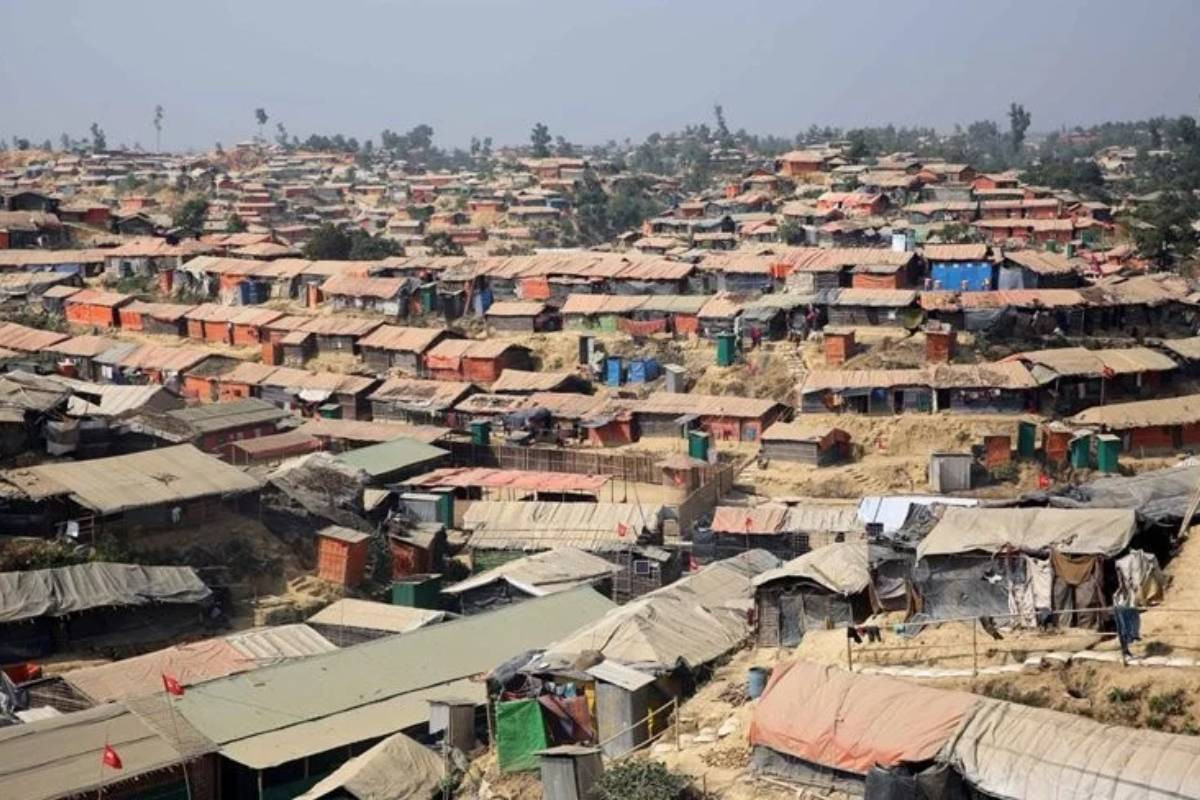
For more than seven years, Bangladesh has pursued multiple initiatives to repatriate the Rohingya refugees who fled atrocities in Myanmar, yet none have succeeded. Dhaka has struggled to mobilize enough international pressure on Myanmar, and even key neighbors India and China have not offered the support Bangladesh had hoped for.
The momentum that followed the UN Secretary-General’s visit to the Rohingya camps in Cox’s Bazar last March has also faded. Despite his call for the refugees’ return, almost eight months have passed without any tangible progress. A special session of the UN General Assembly and an international conference in Dhaka reiterated global demands for repatriation, and several countries pledged assistance. Nonetheless, Myanmar rejected Bangladesh’s seven-point proposal presented at the UN.
Officials in Dhaka now say the incoming elected government will take more forceful diplomatic steps to increase pressure on Myanmar. They express hope that a stronger international push could break the current stalemate.
According to a source in the Office of the Chief Advisor, Bangladesh has already launched diplomatic outreach to rally global backing. Myanmar, for its part, initially proposed relocating Rohingya to a third region before later withdrawing the idea—mirroring its recent rejection of Bangladesh’s seven-point plan.
Myanmar’s authorities continue to claim that conditions in Rakhine State remain unsuitable for return. A planned UN mission to assess conditions on the ground failed to materialize, leaving every proposed repatriation pathway blocked.
Analysts have also questioned the roles of India and China, as well as the engagement of Russia and the United States, in resolving the crisis. Refugee Relief and Repatriation Commissioner Mizanur Rahman stressed the need for stronger regional and international support.
“We have taken various initiatives to speed up the repatriation process and are actively asking neighboring countries to stand with us,” he said. “India and China are especially important in creating international pressure, alongside the UN. Even eight months after the UN Secretary-General’s visit and call for repatriation, no progress has been made. On the contrary, Myanmar’s junta has forced more Rohingya across the border.”
Speaking to Bangladesh Pratidin, Mizanur added, “Although we expected repatriation to begin soon, Myanmar continues to delay. We are working to build international public opinion, and we are seeing positive changes in the camps. But until dignified and safe repatriation begins, there is no sustainable solution, and that solution lies within Myanmar. The UN must take a stronger role.”
Bd-pratidin English/ Jisan