Begum Khaleda Zia remains in intensive care at Evercare Hospital in Dhaka. As a former prime minister, a symbol of democracy, and someone held close to the hearts of millions, it is natural that we feel deep concern for her health—alongside respect, prayers and hope. It is, however, unfortunate that even this profoundly human moment is being weaponised by some for political gain. The tendency to turn the bedside of a critically ill person into a platform for political vitriol cannot be a hallmark of civil politics. We have seen politics practised over corpses in the past—an unfortunate and undesirable chapter.
The expectation that the mass uprising of 5 August 2024 would usher in a refined and positive political culture stands in stark contrast to these negative tendencies. We are grateful, of course, to those parties and leaders who have offered sincere reflections and raised their hands in prayer at public gatherings.
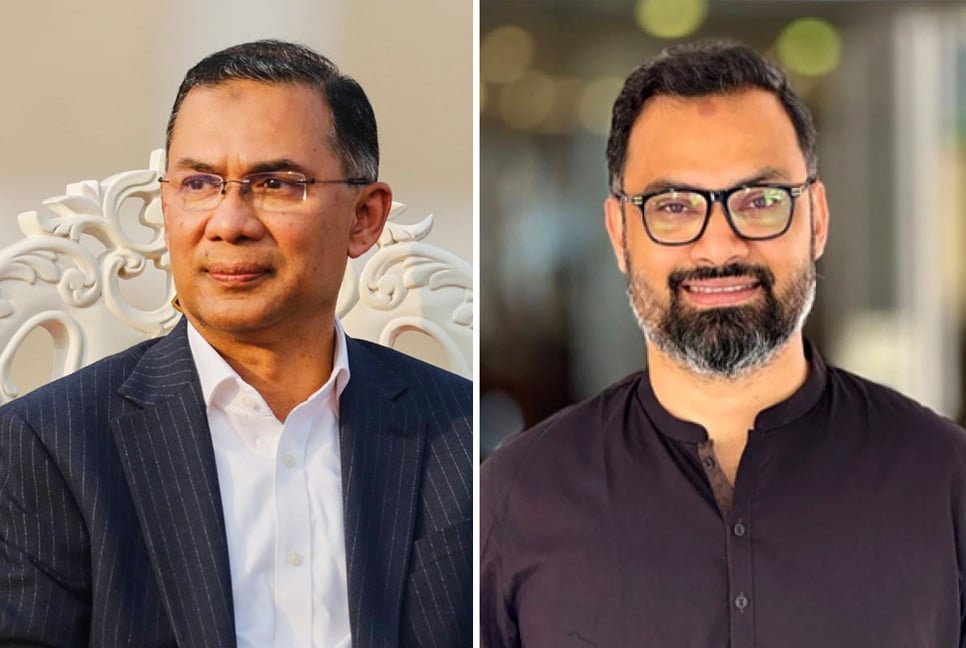
Recently, certain political quarters have been sermonising to Begum Zia’s son, BNP’s acting chairman Tarique Rahman, urging him to return home—using language and tone that resemble character assassination more than advice. Claims are being made that he is supposedly unwilling to leave the comfort of London to attend to his ailing mother. Our folklore says, “Those who claim to care more than the mother are often accused of witchcraft.” Throwing such arrows is not only distasteful, but also contrary to basic human decency. Does a child’s anguish for his mother require evidence? Tarique Rahman himself has spoken about his grief, helplessness and boundless affection for his mother. Tears shed in public cannot be dismissed as political theatrics—they reflect a son’s human face.
We must also recognise that Tarique Rahman is not merely an individual; he has today become a symbol of Bangladesh’s struggle for democracy, rights and sovereignty. His decisions cannot be driven solely by personal emotions; they involve questions of national security and political stability. Concerns over his safety, should he return in the current circumstances, are not unfounded—they are real. We cannot ignore the fact that both domestic and international vested interests and conspirators may view him as a target. A responsible leader must prioritise long-term national goals, however personally painful that may be. Begum Khaleda Zia herself always said, “The people of Bangladesh will accept the dominance of none.” From that very principle it is clear that she neither wanted, nor wanted, her son to take any step that could allow external forces to influence Bangladesh’s sovereign decision-making.
Some ask that if he cannot stand beside his mother in crisis, how will he stand beside the nation? This question is as unwise as it is ignorant of history. The Zia family has consistently prioritised national welfare over personal convenience. Begum Zia never left the country; despite hostility, false allegations and repression, she has remained steadfast on the soil of Bangladesh. Even in difficult times, Tarique Rahman has kept the party’s leadership united and organised, engaged new generations in politics and consistently projected Bangladesh’s democratic aspirations on the international stage. True leadership requires the ability to govern emotions—and he has demonstrated that.
We observe that certain quarters, especially among the BNP’s main political rivals, are spreading misinformation on social media to mislead public opinion. Political differences are natural; but attacks, hatred and mockery centred on the illness of an individual have no place in a civil political culture. We are opponents, not enemies. Therefore, we appeal: stop this ugly competition of character assassination. Present your disagreements with logic, facts and decency.
What should a responsible political leader do in such a situation? Above all, ensure that Begum Khaleda Zia receives the highest standard of medical care, whether in Bangladesh or abroad. This is BNP’s priority, and under Tarique Rahman’s leadership, the party is working towards that end. The entire process is being overseen by Tarique Rahman’s wife, Dr Zubaida Rahman, a distinguished physician herself. We are moving forward on three pillars: medical expertise, specialist consultation, and collective family decision-making.
Another duty of a capable political leader is to maintain organisational discipline—shielding the party from provocations, confusion and emotional impulses, while exercising wisdom, patience and foresight. Tarique Rahman is doing precisely that, keeping his emotions in check. In this intensely painful moment of his personal life, he is practising the very values his party has long upheld: “The party above the individual, and the country above the party.”
Across the nation, rickshaw pullers lift their hands in prayer, ordinary homemakers complete recitations of the Qur’an with tears in their eyes, students, workers and professionals—people of all backgrounds—are praying for Begum Zia’s recovery. She is no longer just the leader of a single party; she has become the leader of the entire nation. These heartfelt prayers, transcending political divisions, reflect the emotions, respect and collective memory of the nation. This overwhelming affection speaks to the magnitude of her leadership and the depth of her connection with the people.
We all want the Mother of Democracy, Begum Khaleda Zia, to recover swiftly. Therefore, let us refrain from mudslinging at this critical moment. Let us purify politics with humanity. Differences of opinion may remain, but let us not mock illness, nor drag a child’s grief onto the political stage. We all stand to gain if we prioritise three values: national sovereignty, democratic continuity and human dignity.
In conclusion, the restraint, foresight and sense of responsibility displayed by Tarique Rahman today reflect political wisdom of the highest order. It is never easy to prioritise national interests over personal pain—but that is where true leadership is tested. We believe he is fulfilling his three-fold responsibility: ensuring the best possible care for Begum Khaleda Zia, maintaining organisational unity, and protecting the nation from greater risks. The rest lies with the Almighty. Let us pray together for the swift recovery of Begum Khaleda Zia, the Mother of Democracy—for the well-being of the nation, and for politics guided by decency and wisdom.
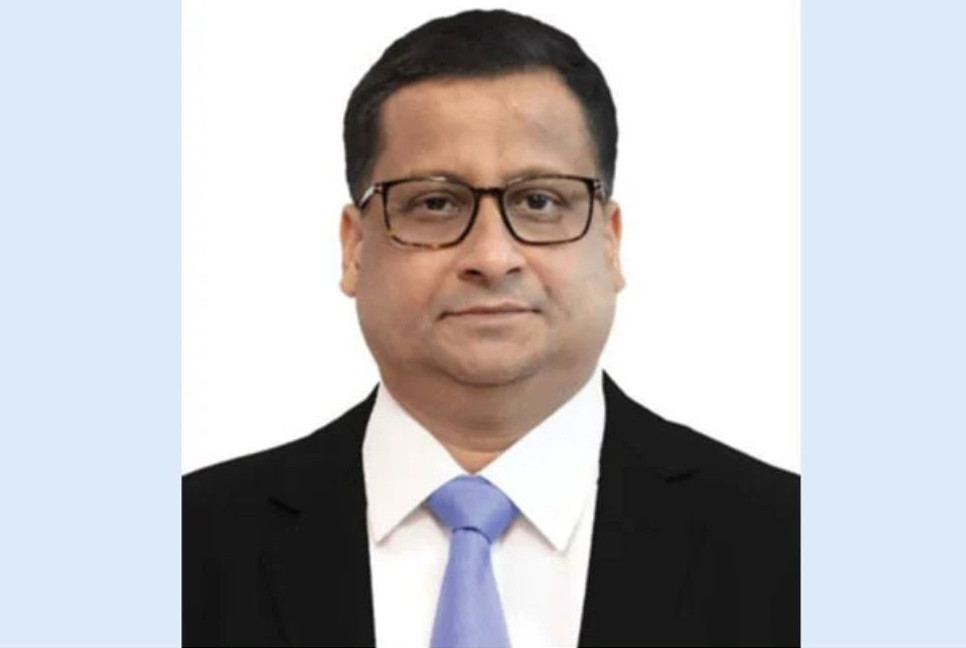
The writer is a Professor in the Department of Marketing, University of Dhaka.