The nation celebrated Armed Forces Day on 21 November with due honour and enthusiasm. Armed forces installations, including cantonments, naval bases, and air bases, began the day with special prayers after dawn, seeking the country’s welfare, prosperity, and progress, and praying for the departed souls of the martyrs of the Liberation War. The day concluded with a formal reception at Senakunja.
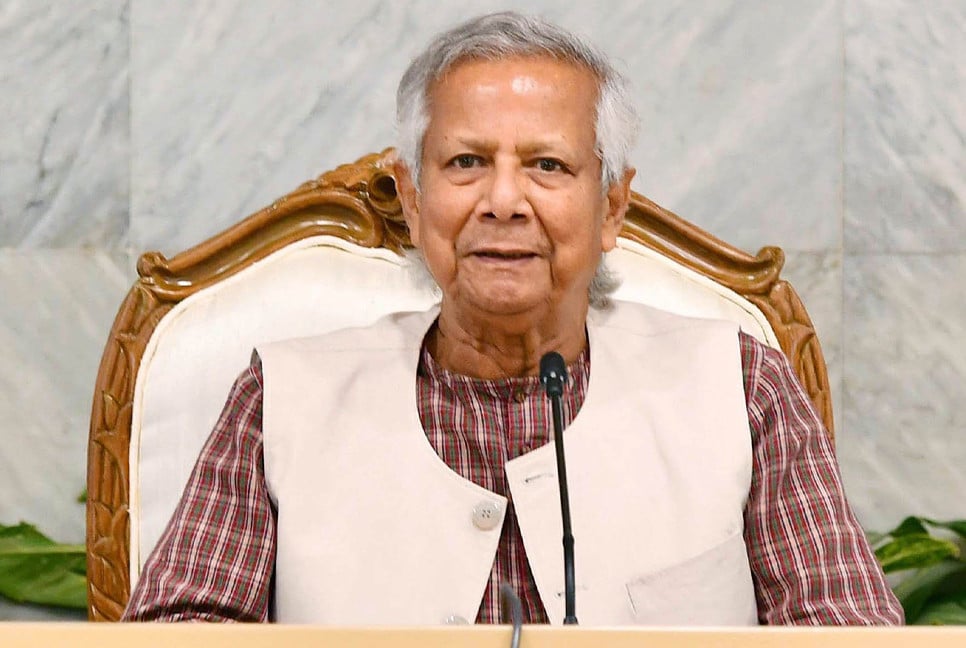
BNP Chairperson and three-time Prime Minister Begum Khaleda Zia became the centre of attention at the annual armed forces reception, attended by Chief Adviser Dr Muhammad Yunus. Army Chief General Waker-Uz-Zaman, Navy Chief Admiral Mohammad Nazmul Hassan, Air Chief Marshal Hasan Mahmood Khan, Jamaat-e-Islami Ameer Dr Shafiqur Rahman, National Citizens’ Party Convener Nahid Islam, Information Adviser Mahfuz Alam, and ambassadors from the United States and other countries showed exceptional respect to Khaleda Zia.
Spouses of senior military officials waited eagerly to greet her. Chief Adviser Dr Yunus spoke privately with Khaleda Zia, enquired about her health, and conveyed his respect. Khaleda thanked him and asked about the wellbeing of his wife, Afrozie Yunus. Jamaat Ameer Dr Shafiqur Rahman also met Khaleda and prayed for her recovery. Leaders of the 24 July uprising, Nahid Islam and Mahfuz Alam, became emotional while seeking her blessings, and she prayed for them in return, acknowledging the contribution of students and citizens in resisting the previous regime.
At Senakunja, dignitaries treated Khaleda Zia as a national guardian figure. Her presence elevated the ceremony’s significance, showcasing political decorum rarely seen in Bangladesh before the July uprising. US Chargé d’Affaires Tracy Ann Jacobson sat beside Khaleda Zia’s wheelchair for a courteous conversation, inquiring about her health and family. Diplomats from various countries extended gestures of respect rarely seen toward any political leader in the country. Before her departure, the chiefs of the three services spoke with her at length and accompanied her until she boarded her vehicle, showing due honour to the former army chief’s spouse, former president’s widow, and BNP chairperson. The event reinforced Khaleda Zia’s position as a symbol of national unity, capable of guiding the country even during crisis. BNP has asked the public to pray for her recovery as she remains hospitalised.
Despite relief among the public at living in an Awami League–free Bangladesh, citizens continue to face uncertainty and hardship. The interim government has become increasingly entangled in issues beyond its core responsibilities of justice, reforms, and election preparations. Domestic investors feel discouraged, while the government appears to prioritise foreign interests. Factories continue to shut down, unemployment is rising, and local industrialists face mounting financial pressure. Many entrepreneurs complain about harassment, extortion, and obstacles in accessing bank loans or rescheduling existing debt, while meeting the Bangladesh Bank governor has become a matter of luck.
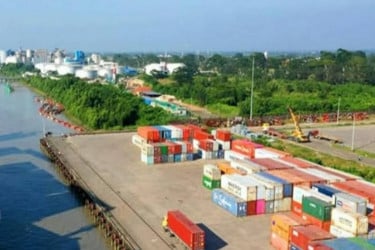
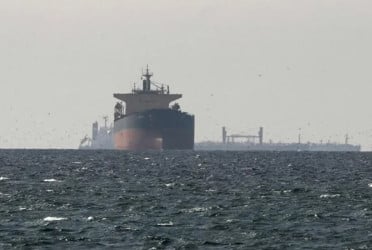
Meanwhile, the government has moved quickly on port matters. The Chattogram Port Authority signed a 30-year concession deal with APM Terminals under a PPP arrangement for the Laldia Container Terminal, and another agreement with Switzerland’s Medlog for the Pangaon Terminal. The agreements, signed on 17 November, have raised serious questions about the urgency of handing key port operations to foreign companies. Critics have questioned why domestic investors receive little support while strategic assets are transferred abroad, and why certain businesspeople remain accused or have their accounts frozen despite similar cases being withdrawn for others.
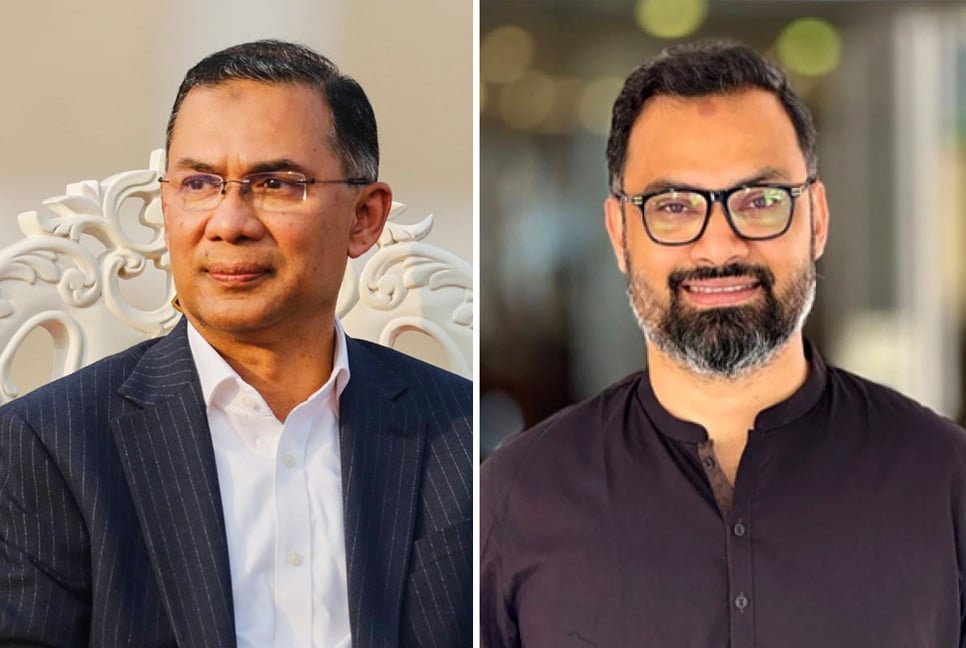
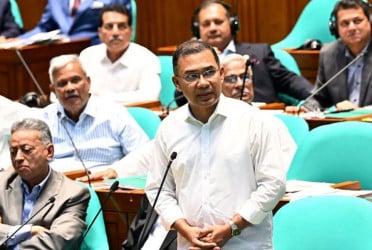
BNP Acting Chairman Tarique Rahman strongly condemned the government’s decision, saying future elected governments—not an unelected interim authority—should decide on matters concerning ports and LDC graduation. He warned that long-term commitments involving strategic national assets should not be made by an interim government, stressing that Chattogram Port is Bangladesh’s economic gateway, affecting millions of lives. Left parties, the Port Protection Movement, the Corridor Resistance Movement, and Sramik-Karmachari Oikya Parishad (SKOP) also staged protests, arguing the interim government lacks the mandate to hand over national assets to foreign entities and threatening street action if such decisions continue.
The matter has reached the High Court, where a bench of Justice Fatema Najib and Justice Fatema Anwar heard a rule on 25 November. Barrister Kaiser Kamal, representing the petitioners, argued the interim government is politically aligned and lacks authority to sign the agreements. The court will deliver its verdict on 4 December.
Foreign interest in Bangladesh’s ports, deep-sea port, hill tracts, and natural resources—including oil and gas—has persisted for decades, particularly before elections. Previous governments had pledged not to hand over strategic assets to foreign powers, and none had done so. This interim government has already signed agreements affecting port control, and because the deals fall under the PPP framework, BIDA chief Ashiq Chowdhury has said they cannot be disclosed publicly. With no electoral accountability and no need to face voters, the government faces accusations of acting without restraint.
Many key officials in the interim government hold dual citizenship or have lived abroad for extended periods. While the chief adviser has praised them as patriots returning to serve the country, critics argue that their involvement may serve other purposes. Meanwhile, BNP and several political and port-related groups continue to oppose the agreements, while some parties remain unusually silent or issue vague statements, raising suspicion of political calculations. Observers caution voters to remain vigilant in the upcoming election, noting that superficial patriotism and weak protests may conceal deeper anti-national agendas.
Writer: Executive Editor, Bangladesh Pratidin