Fourteen years ago, during the Awami League government, the Appellate Division, led by former Chief Justice A B M Khairul Haque, delivered a verdict abolishing the caretaker government system.
Last Thursday, the Supreme Court reinstated the neutral caretaker government in a landmark ruling.
Following last year’s coup, multiple appeals were filed against the verdict. The Supreme Court, led by Chief Justice Syed Refat Ahmed and a seven-judge appellate bench, disposed of the appeals and review petitions on Thursday, restoring the caretaker government provision to the constitution.
However, the ruling will not take immediate effect and will only apply from the next national parliamentary election.
In 1994, opposition parties under the Awami League-led government launched movements demanding a neutral caretaker government. In 1996, the BNP government introduced the 13th constitutional amendment.
Under this system, the seventh parliamentary election was held in 1996, the eighth in 2001, and the ninth in 2008.
In 2004, lawyers, including M Salimullah, filed a writ in the High Court, describing the caretaker government system as undemocratic and unconstitutional. Following hearings, a larger three-judge bench delivered a verdict on 4 August 2004, declaring the 13th amendment constitutional and valid.
After the Awami League-led coalition won the 2008 election, the petitioners appealed against the High Court ruling.
The appellate hearings began in 2010. The Supreme Court heard opinions from eight constitutional experts as amici curiae, all supporting the continuation of the caretaker government system. Then-Attorney General Mahbubey Alam also favoured the system.
At that time, Chief Justice A B M Khairul Haque presided over a seven-judge bench in the Appellate Division. Three of the six judges aligned with the amici curiae, leaving the final decision to Chief Justice Khairul Haque, who abolished the caretaker government system on 10 May 2011. Last Thursday, the Supreme Court annulled that ruling, describing it as “flawed.”
Lawyers, politicians, and citizens across Bangladesh have welcomed the ruling, believing it will prevent the ruling government from manipulating elections.
Meanwhile, Bangladesh faces a harsh reality in the absence of an elected government. Violence, abduction, clashes, robberies, and hijacking continue.
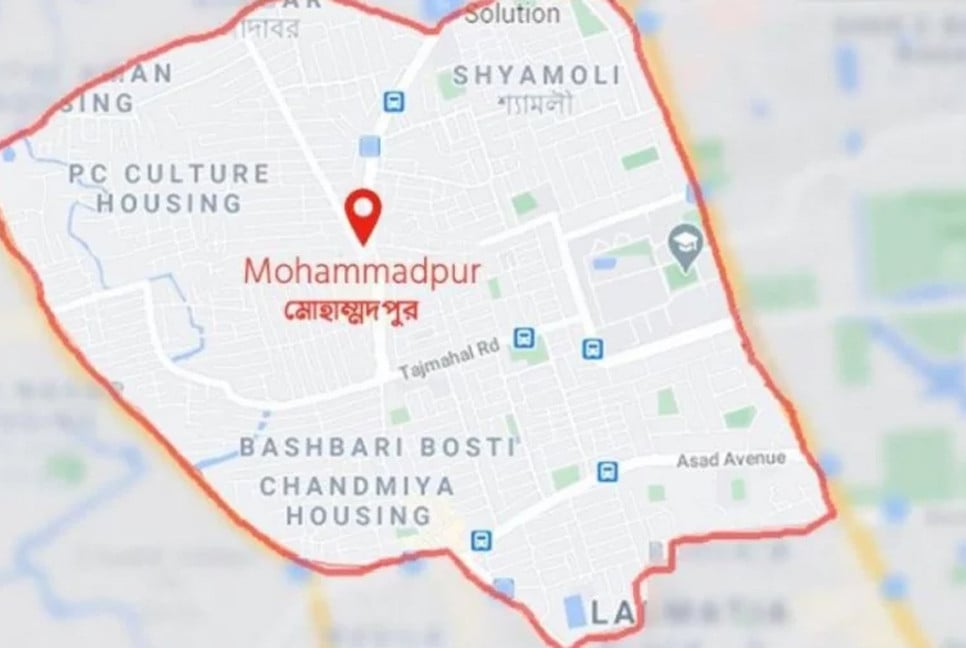
In the past 14 months, Dhaka alone recorded 456 murders, averaging more than 30 killings per month—a serious sign of law and order deterioration in any civilised city.
More alarming is the brutal nature of these murders. Many bodies are found dismembered or mutilated, often disposed of in rivers or drains to hinder identification.
These acts highlight the organised and ruthless nature of crime. Analysts attribute the killings primarily to political conflict, power struggles, family disputes, love affairs, and financial disputes.
The national economy remains fragile. The previous authoritarian regime left the country on the brink of bankruptcy.
While the current government has prevented total economic collapse, it has struggled to achieve meaningful progress in attracting investment, creating jobs, and strengthening financial institutions. Experts argue that visible progress is unlikely without national elections and democratic stability.
Uncertainty over elections, lack of political consensus, and weak security discourage investors. Even the IMF has indirectly tied loan disbursements to electoral progress.
However, any national election must be based on political agreement, national consensus, and the framework of the July accords to be legitimate.
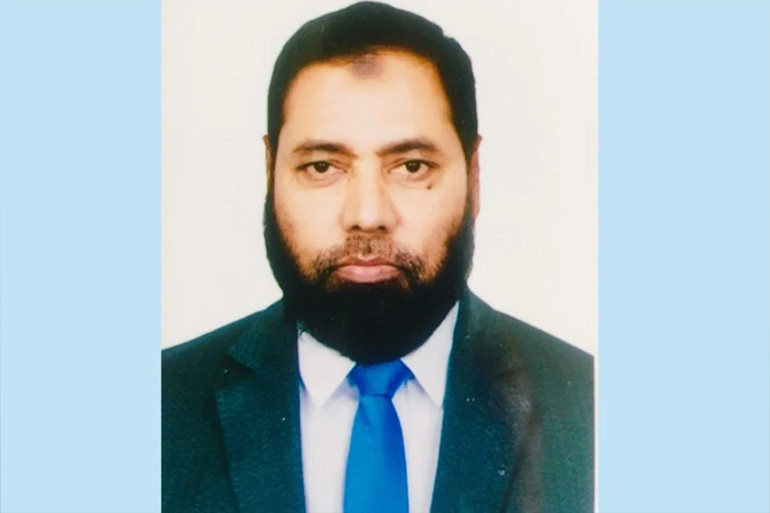
Author: Former Member of Parliament