Bangladesh is witnessing a deadly spike in violence, with murders hitting a five-year high as criminal networks regain strength.
On Monday evening, Golam Kibria, 47, a Jubo Dal leader, was gunned down inside a shop in the capital’s Pallabi by three masked assailants who fled the scene, according to CCTV footage.
The killing, one of many in recent months, highlights a surge in audacious public attacks and raises fresh concerns about law enforcement’s ability to curb organised crime ahead of the forthcoming national election.
Official data indicates that murder rates in 2025 are at their highest monthly levels in years, with authorities recording, on average, 57 more murders each month compared with 2024.
Between 2021 and 2024, the monthly murder toll crossed 300 only three times, excluding the August uprising. In contrast, the first ten months of 2025 have seen eight months exceed this threshold, signalling a sharp and worrying escalation.
From decline to sudden surge
Police records show that murders had been gradually declining over the past three years. In 2021, 3,214 murders were reported, falling to 3,126 in 2022 and 3,023 in 2023.
During this period, monthly totals exceeded 300 only twice: 302 in March 2021 and 306 in July 2022. Including 2024, the threshold was passed three times, with 334 cases in July 2024.
In contrast, 2025 has seen a sharp increase. The total number of murders in the first ten months alone is 3,223, already surpassing the totals for most previous full years.
For example, January murders rose from 257 in 2021 and 231 in 2024 to 294 this year, while February and March also recorded substantial jumps compared with previous years.
Analysts say this represents an alarming reversal of the downward trend seen over the past three years.
Authorities note that not all these killings occurred this year.
“Some murders happened before 5 August 2024, but victim families could not file cases at the time,” said AIG (Media) H M Shahadat Hossain.
“After 5 August, cases have been filed nationwide, which explains the apparent rise in monthly numbers.”
Killings in broad daylight
Several murders in 2025 have occurred openly in public spaces. The Pallabi attack on Kibria is the latest example.
Seven days earlier, Tarik Saif Mamun, a top-listed criminal, was gunned down in Dhaka’s Sutrapur area in broad daylight, with the assailants making no attempt to conceal their identities.
In May, Kamrul Ahsan Sadhan, joint convener of Gulshan Thana BNP, was shot while sitting with friends in Gudaraghat, Gulshan.
In Chattogram, Sarwar Hossain alias Babla, 43, a “top criminal,” was killed on 5 November while attending a BNP election rally. The attack injured candidate Ershad Ullah as well. The perpetrators reportedly threatened Babla days before the incident and escaped easily.
Earlier in the year, a double murder occurred in Bakolia in March, and Dhakaya Akbor, a known terror figure, was killed in May, highlighting a pattern of escalating and audacious violence.
Underworld networks and illegal arms
Investigations indicate that many high-profile killings are linked to organised underworld networks.
Police say large quantities of illegal firearms, including weapons looted from police stations during the 5 August 2024 uprising, remain in circulation, used by both gang members and street criminals.
Although several hired gunmen have been arrested, the masterminds often remain at large.
In Kibria’s killing, two shooters were detained, but the orchestrator has not been apprehended. Following the killing of Mamun, police arrested two assailants, reportedly hired by the underworld, while the mastermind –Rony, an ally of the notorious Emon – remains elusive.
Senior officers note that the situation worsened after many top gang leaders were released post-5 August 2024.
Several fled abroad but reportedly continue to direct criminal operations.
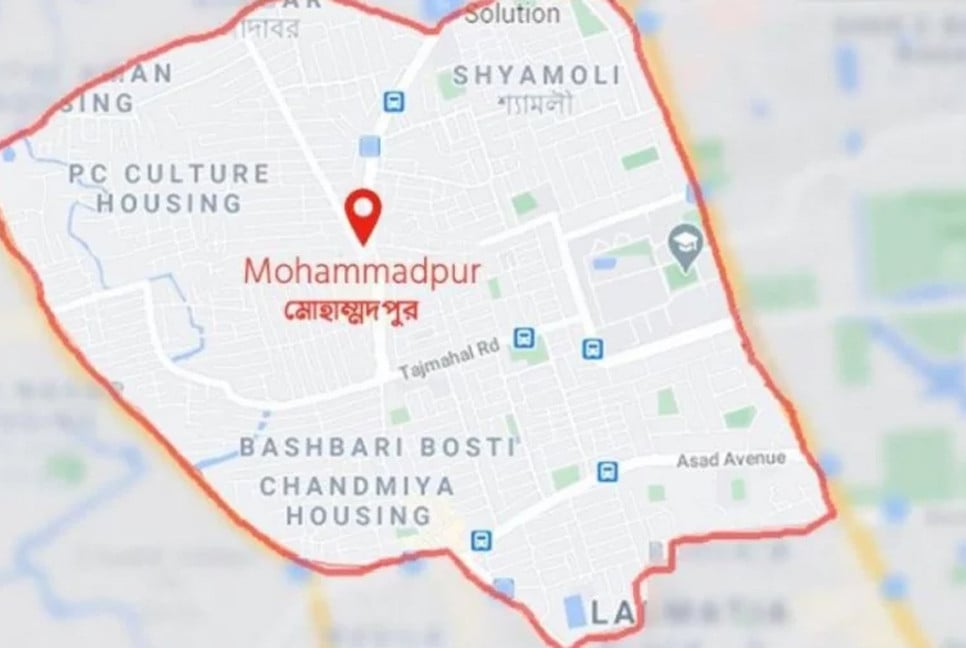
A Detective Branch official confirmed that Emon has relocated to Cambodia, from where he oversees activity in Mohammadpur, Dhanmondi, Jigatola, Hazaribagh, and parts of New Market.
In other cases, such as Sadhan’s murder, hired assassins have been caught, but figures like Mehedi alias Colins, based in the USA, are believed to remain in command of operations in areas such as Badda.
In Chattogram, the underworld is dominated by Boro and Choto Sazzad. Boro is abroad, while Choto was arrested earlier this year after threatening a police officer via Facebook Live.
Despite his detention, killings linked to his network, including Babla’s, continued.
Missing weapons and rising alarm
Authorities warn that firearms continue to enter the country through multiple border points.
Over 1,300 weapons looted during the July 2024 uprising remain untraced, despite government cash rewards and police operations.
Several incidents illustrate the scale of the problem. In November last year, a woman’s bullet-riddled body was found on the Dhaka-Mawa Expressway; investigations linked the shooting to looted firearms.
On 28 May, police arrested two muggers in Pahartoli with a revolver and ammunition stolen from the local station, reportedly used in armed robberies.
With national election scheduled for February, the spike in killings, extortion, and clashes in Dhaka and Chattogram has raised serious concern among law enforcement.
Senior officers warn the trend signals a resurgence of top gang leaders and the unchecked use of illegal arms.
Why murder rates are rising
According to Professor Towhidul Haque of Dhaka University’s social welfare department, a “fearless mindset” is spreading.
“People think whatever you do, nothing will happen,” he said, adding, “This mindset emerged because law enforcement agencies themselves are under threat. If the government cannot enforce the law against criminals, crime will continue to rise.”
He added that political affiliations often protect offenders, creating impunity and emboldening criminal activity.
Professor Omar Faruk of Mawlana Bhashani Science and Technology University noted that top criminals have become active again, with limited police surveillance.
Many, he said, receive backing from political figures.
Faruk criticised authorities for failing to recover looted firearms effectively, warning that, if unchecked, peaceful elections could be at risk, and violent crime is likely to increase.
Former inspector general of police Muhammad Nurul Huda shared similar concerns, noting that the law-and-order situation ahead of national polls “gives cause for worry” and emphasising the need for urgent measures to restore stability.
Source:Daily Sun
Bd-pratidin English/ ANI