Two young children once lived under house arrest with their mother inside Dhaka Cantonment. One was five years old, the other two. Their father, Major Ziaur Rahman, had gone to the battlefield during Bangladesh’s Liberation War and announced the declaration of independence.
Because of his role, the family spent nine months confined indoors, unable to step outside—even into the garden.
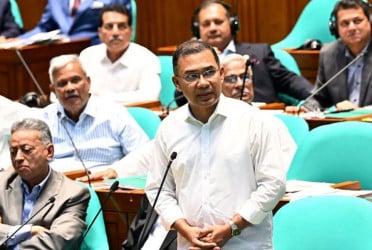
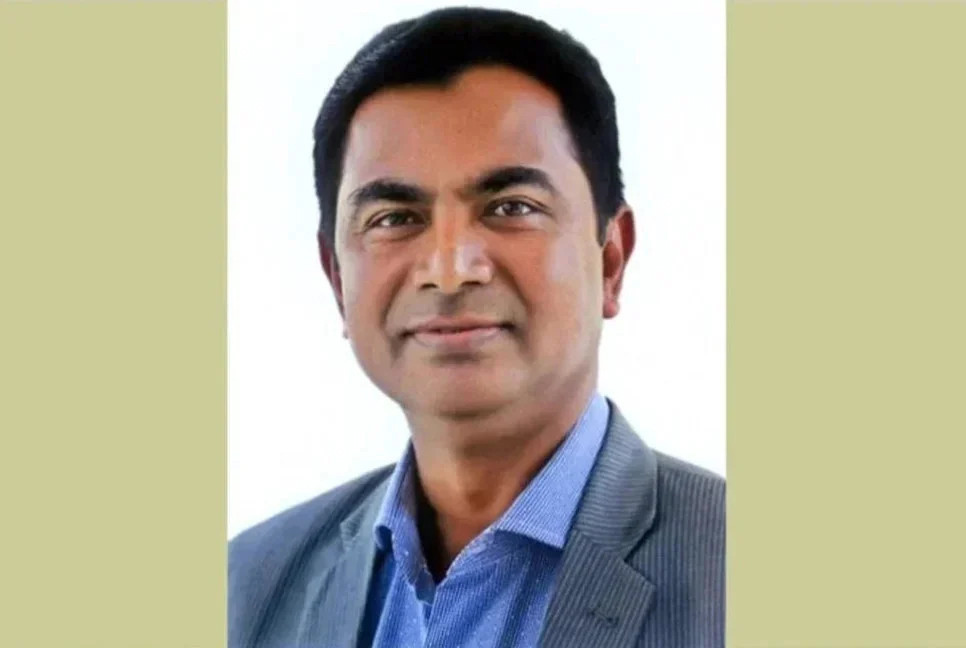
One of those children was Tarique Rahman, whose early life unfolded in confinement and later in the turbulence of national politics, marked by the assassination of his father, the political struggles of his mother Khaleda Zia, the loss of his younger brother, and eventual years spent abroad.
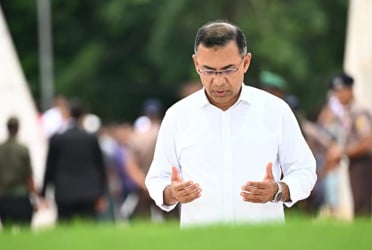
BNP marks Tarique Rahman’s birthday today and has instructed party leaders and activists not to hold cake-cutting events, rallies, or elaborate celebrations. Supporters say the day holds meaning for those who follow the political ideology associated with Ziaur Rahman and Khaleda Zia.
November has been the birth month of several notable global figures, including Soviet leader and Nobel laureate Mikhail Gorbachev, India’s first prime minister Jawaharlal Nehru, former prime minister Indira Gandhi, Myanmar’s Nobel laureate Aung San Suu Kyi, US President Joe Biden, French President Charles de Gaulle, British Prime Minister Winston Churchill and Nobel-winning scientist Marie Curie.
On the basis of the two-nation theory, Pakistan and India were born in 1947. Jinnah, a Gujarati, understood that Muslims in South Asia needed a separate state. However, a section of the Muslim community still supported a unified India. Despite objections from that group of Muslims, the state of Pakistan was established. But within just 23 years, the Muslims in that state could not stay united. In 1971, they fought for a separate state and a separate flag. A new nation called Bangladesh was born, with its red-and-green flag. The country gained independence through a bloody war.
Sheikh Mujibur Rahman returned home on 10 January 1972 after his release from a Pakistani prison, and was assassinated in 1975 during a military coup led by Khondaker Mostaq Ahmad and a group of army officers.
Sheikh Hasina later served as prime minister from 1996 to 2001 and again from 2009 to 2024. Her tenure, political decisions and relations with India have remained subjects of intense national debate.
On 17 November, the International Crimes Tribunal sentenced Sheikh Hasina and former home minister Asaduzzaman Khan Kamal to death and ordered the confiscation of their assets.
Former inspector general of police Chowdhury Abdullah Al-Mamun received a five-year sentence. Attorney General Md Asaduzzaman said the sentences will be carried out once the convicts are arrested.
Chief prosecutor Tajul Islam said the tribunal followed international standards in conducting the trial. Public discussion continues over whether India will return Sheikh Hasina to Bangladesh or whether she will decide to return on her own.
Following the fall of the previous administration, new political platforms have emerged alongside realignments within established parties.
A national election is expected in February. Despite significant shifts, political analysts say trust and confidence have yet to stabilise among parties, in part because of heightened competition for power.
The interim government says it remains committed to implementing its final pledges ahead of the election.
Several groups argue that maintaining unity among parties opposing the Awami League and expressing concerns about India’s role has become a key factor in shaping the country’s political direction in the coming months.
Author: Executive Editor, Bangladesh Pratidin