What is Bangladesh’s biggest problem? Many now answer in one voice: extortion. In a country divided on almost every issue – whether elections should be held in February or not – one matter unites the nation: everyone wants an end to extortion.
From political leaders to ordinary citizens, people speak out against the practice, yet no one appears willing to confront it. Ordinary people remain powerless, too frightened to challenge extortionists who often operate under the protection of political parties. This political patronage has made many perpetrators untouchable.
The business community is bearing the greatest burden. From small traders to large industrialists, no one is spared. After more than a year of economic fragility, the surge in extortion has pushed many to the brink. Business owners say that where they once paid extortion at a single point, they must now pay at ten.
Extortion remains one of the most frequently cited obstacles to running a business in Bangladesh. Although July’s mass uprising briefly raised hopes of relief, those hopes have since evaporated.
With political instability persisting, the business environment remains clouded by uncertainty – made worse by extortion, which has become a malignant force undermining operations across the country. Tackling this requires decisive government intervention.
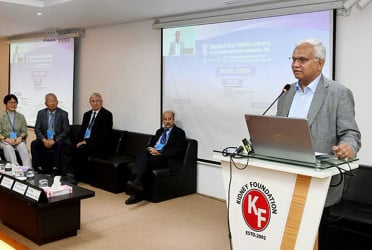
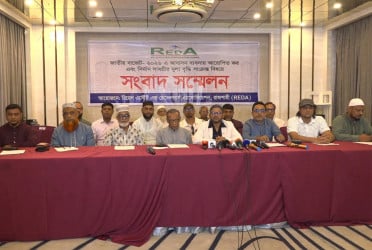
At a recent discussion organised by the country’s apex trade body, the FBCCI, ahead of Ramadan to ensure stable prices and adequate supply of essential goods, business leaders openly admitted that extortion occurs at every stage – from transporting goods to unloading them.
They reported severe extortion throughout the entire supply chain. Payments must be made when loading or unloading trucks, and allegations of collusion between extortionists and law-enforcement personnel are longstanding.
Without eliminating extortion, neither supply chains nor market stability can be maintained.
The government must acknowledge this reality. Mere “requests” to law-enforcement agencies are insufficient; strict administrative action is essential.
The meeting was held on 12 November at the FBCCI auditorium in Motijheel and chaired by the organisation’s appointed administrator, Md Abdur Rahim Khan.
Businesspeople face extortion year-round. Shamsul Haque Moni, a vegetable trader at Karwan Bazar, said he pays at least Tk500 in daily extortion. If he refuses, his stall is shut down. Earning about Tk1,500 a day, he asks how he can survive when one-third of his income is taken by extortionists. He added that extortion directly increases retail prices. Similar accounts are heard from street vendors and market traders across the country.
Medium-sized businesses face even worse conditions. Aminul, who owned a travel agency, was forced to close his Motijheel office after a group of young men demanded Tk20 lakh, threatening to implicate him in a fabricated murder case. Three days later, the gang attacked his office. When he sought help from the police, he was bluntly told nothing could be done. With no protection, he shut his business. Numerous others have similar stories.
Large businesses are also under siege. A review of recent news reports shows that over the past 15 months, 278 industrial and commercial establishments have been attacked, 68 factories set on fire, and widespread “silent extortion” continues unchecked.
A garment-factory owner said no one dares to speak out – doing so invites danger. Extortion has now become entrenched across the business sector, with government and law-enforcement agencies appearing passive as citizens suffer. The economy is buckling under the pressure.
And it is not only businesspeople – no one is safe.
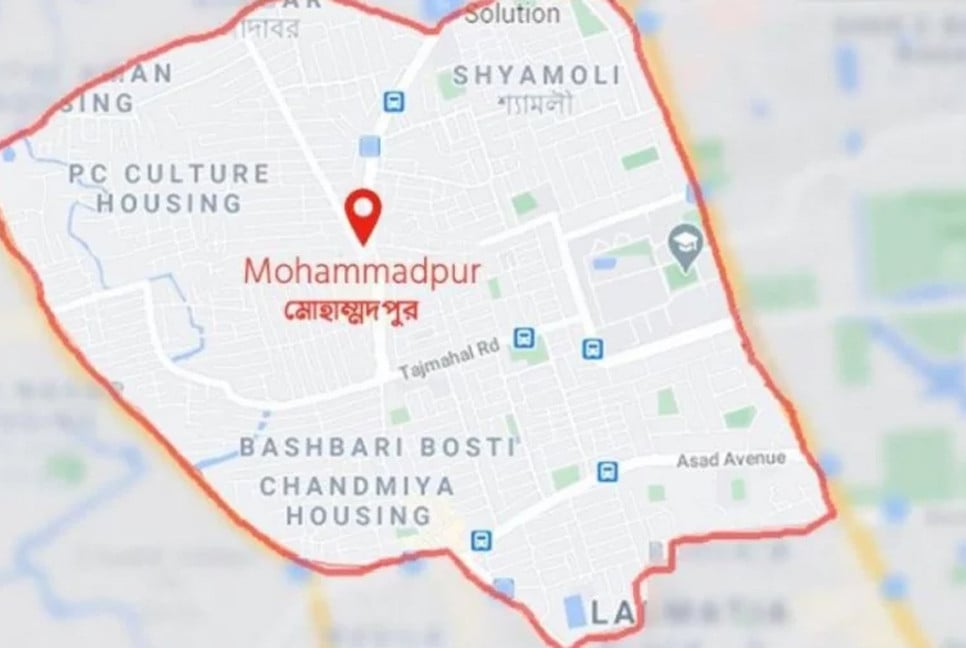
A housewife in Mohammadpur said she now pays monthly extortion to local teenage gangs, similar to paying rent. She claims this has become routine across the neighbourhood. Those who refuse face harassment. One retired government officer who declined to pay saw his university-going daughter targeted. Residents say reporting such incidents to the police only worsens the situation.
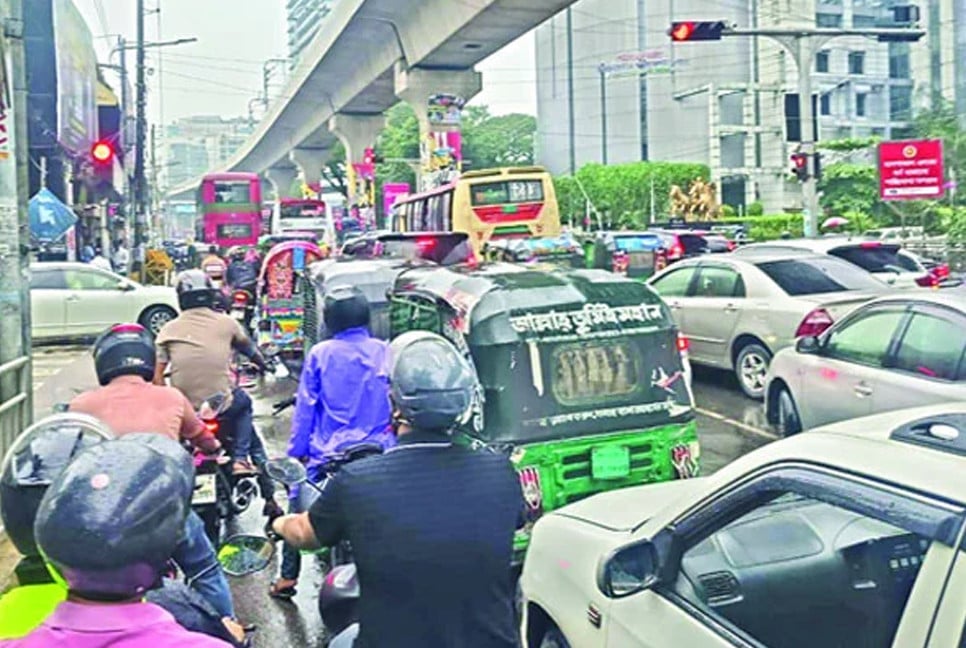
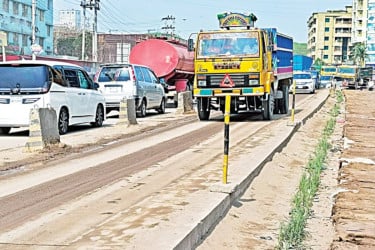
Extortion in the transport sector is longstanding, but the actors have changed. Political shifts have brought new leaders to transport worker and owner associations, and extortion rates have risen. Police extortion persists on the roads, and area-based extortion has also emerged.
Even schools, colleges and madrasas are not immune. The headteacher of a private school in Cumilla was asked to pay extortion; when he refused, he was threatened with being labelled a collaborator of autocracy. He ignored the threats, but within two days a protest erupted, forcing him out of his job. Teachers and parents said the man had no political affiliations. The wave of mob agitation in educational institutions under the guise of identifying “autocracy collaborators” is, many say, driven by extortion.
Extortion, unchecked and emboldened, is now spreading across every sector, leaving the nation’s citizens helpless.