After the fall of the fascist Awami League government on 5 August 2024 amid a mass uprising, the journey toward a “New Bangladesh” began. The nation pledged to build an equitable, corruption-free society, and reforms were launched across sectors. Yet corruption has continued largely unchanged.
Over the past year and a half, the business of appointments and transfers has persisted at all levels of the administration. Even secretaries have been implicated, with allegations of bribery tied to appointments and promotions. The secretary of the Ministry of Public Administration was transferred following complaints of irregularities in the appointment of deputy commissioners (DCs). Several media investigations on transfer trading during this period have gone officially unchallenged.
The most sensational scandal involved the appointment of DCs, leading to the removal of both the secretary and additional secretary of the ministry after allegations linked to the Chattogram DC’s appointment. The same official had faced similar allegations earlier, including a leaked cheque allegedly used for bribery.
Corruption has extended beyond DC posts. One doctor reportedly issued a cheque worth Tk 100 crore seeking an adviser position, while allegations of bribery have surfaced in the appointment of secretaries as well.
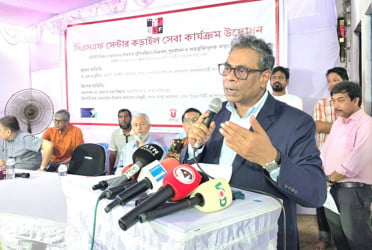
Transfer trading has also plagued the health sector. Nearly 3,000 medical officers and 500 staff were transferred in an unprecedented reshuffle. Many doctors never joined their district or upazila postings, while physicians with Awami League ties were brought to Dhaka, severely disrupting rural healthcare. A state intelligence report found that several health officials—including leaders of the Doctors Association of Bangladesh (DAB)—were involved in monetary transactions for transfers, identifying four officers and five employees.
Similar allegations have surfaced in the Ministry of Food involving financial transactions in the transfer of field-level officers across several divisions. Ahead of the Aman rice procurement campaign, the ministry suspended all transfers until further notice, including those involving LSD acting officers, CSD managers and silo superintendents.
The Anti-Corruption Commission (ACC) is investigating a Tk 10-crore transfer scandal involving the chief conservator of forests in Chattogram. On 9 January, 77 forest officers and employees were transferred simultaneously—allegedly to preferred postings for payments totalling about Tk 10 crore.
In the education sector, around 700 government high school teachers and numerous staff were transferred. A Deputy Director and his wealthy personal assistant, Faruk, have been accused of running a bribery network, collecting payments under the false pretext of recommendations from BNP leaders or ministry officials. Reports of their involvement are widely discussed among education cadre officials.
The police department has also been marred by allegations of bribery and political lobbying in postings and promotions, including key officer-in-charge (OC) positions. Even the Managing Director post of WASA has reportedly been affected by appointment trading.
Analysts warn that the transfer business has returned in full force and remains a central driver of corruption in Bangladesh. Among the interim government’s priorities was reforming the ACC, and the commission has submitted recommendations. However, experts caution that unless the root cause—transfer trading—is addressed, strengthening the ACC alone will achieve little.
To eliminate corruption, they argue, government institutions must first be freed from it. Ending the entrenched trade of appointments and transfers is essential. If officials can hold posts without paying bribes, they will be motivated to genuinely serve the public.
Yet, despite promises of change, no concrete initiative has emerged in the past year and a half to dismantle this entrenched system.
Courtesy: Daily Sun
Bd-pratidin English/ Jisan