As the government-declared national election approaches, violence and the proliferation of illegal weapons continue to rise. While the general public looks ahead to the polls, questions have emerged about how prepared the government and law enforcement agencies are to ensure a fair and peaceful election.
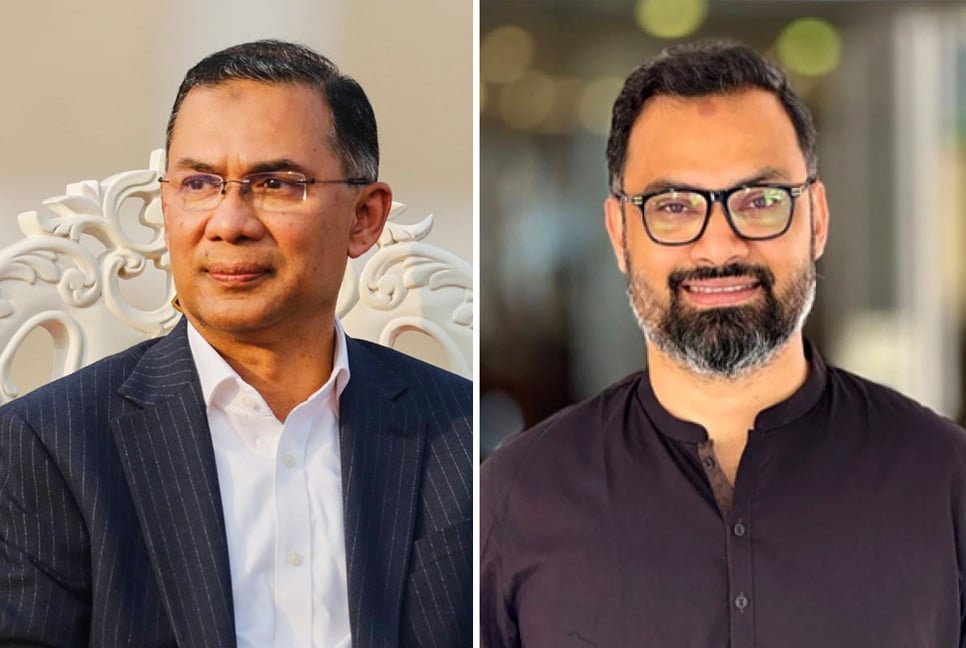
On 3 November, the BNP announced a list of potential candidates for 237 seats, creating an atmosphere of anticipation across the country. Yet, alongside the excitement surrounding the polls, the threats of illegal arms and terrorism continue to loom over Bangladesh.
A recent act of violence occurred in Chattogram. During a public outreach activity of BNP-nominated candidate Ershad Ullah in Chattogram-8, a man was killed, and the candidate, along with three others, was injured by gunfire. The incident took place around 6pm on 5 November near Chalitatali Purba Mosque under Bayezid Bostami Police Station. A video of the shooting, widely circulated on social media, shows Ershad Ullah distributing campaign leaflets among supporters when suddenly a young man steps out from the crowd and fires a point-blank shot at victim Sarwar Hossain.
Unfortunately, this was not an isolated incident. As the 13th National Parliamentary Election draws nearer, the political climate is becoming increasingly volatile. Unofficial campaigning has already begun, and at least 11 people have been killed in election-related violence. In October alone, 10 people lost their lives.
Concerns over Bangladesh’s upcoming polls have also been expressed internationally. The International Republican Institute (IRI), a US-based organisation, stated that the political environment in Bangladesh remains fragile and uncertain ahead of the expected 2026 national elections. The IRI conducted a five-day assessment mission in Dhaka between 20 and 24 October, reporting widespread fears of election violence, mistrust in security forces, apprehension about gaps in the legal framework, and deep political polarisation.
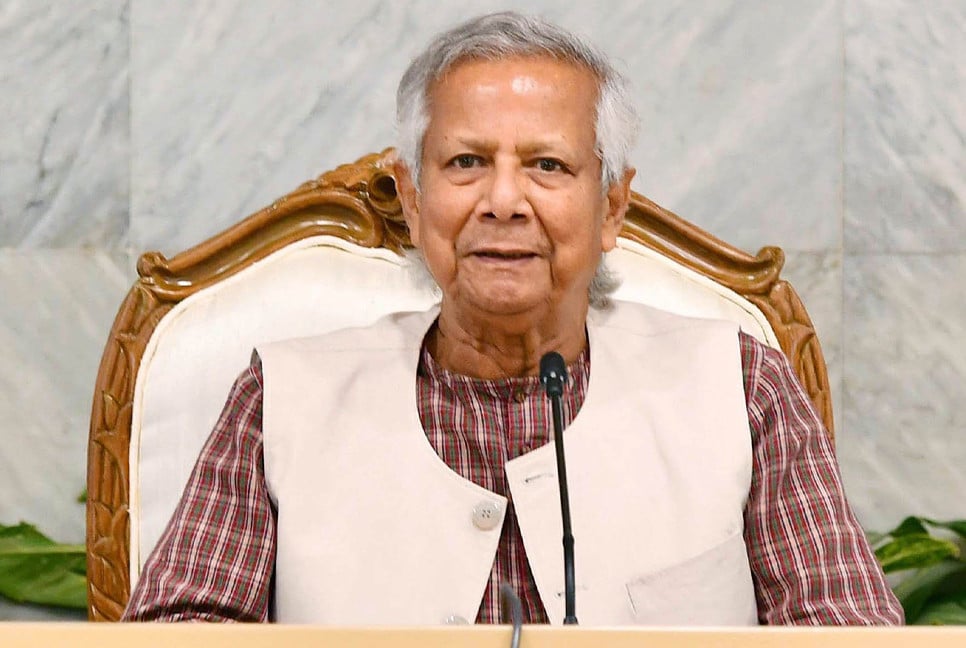
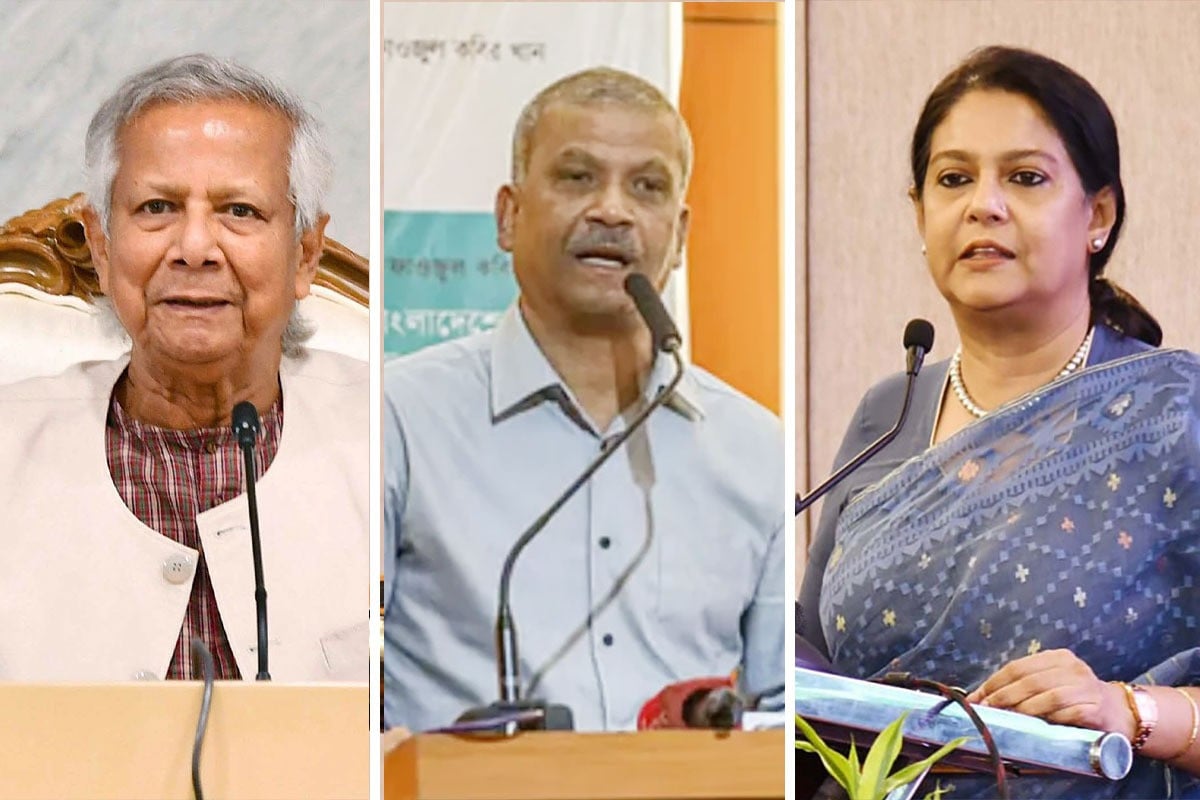
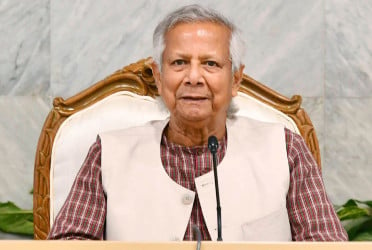
The IRI noted that following the mass uprising of July-August 2024, the interim government led by Professor Muhammad Yunus formed 11 commissions which drafted the 84-point July National Charter. Although the Charter is viewed as a blueprint for democratic restructuring, political parties remain divided over when and how it should be implemented. The BNP favours implementation after the election, while Islamist parties demand a referendum before the polls. Newly formed political groups have proposed revising and adopting the Charter as a new constitution, to be titled the “Bangladesh Constitution 2026”.
The IRI recommended six key measures: clarifying the timeline and procedure for implementing the July Charter; increasing women’s political participation; ensuring transparency in nomination distribution; establishing coordinated security planning between civilian and military forces; improving transparency in the approval of election observers; and ensuring accountability in political financing.
Bangladesh now stands at a crossroads between hope and uncertainty. Whether the change that began during the July 2024 uprising will lead to a sustainable, peaceful, and credible election remains to be seen.
The police force has yet to achieve full operational capacity, and the local administration remains weak. Most importantly, there are forces actively attempting to sabotage the election. These factors have created growing anxiety among the public. The interim government under Professor Yunus acknowledges these realities and remains determined to hold a free, fair, and neutral election. However, if law and order do not improve, voter turnout may be low even if the polls go ahead. Such a situation could result in an election that fails to reflect the people’s will and may also face international scrutiny.
A fair election must be participatory and broadly accepted. To achieve this, strengthening law and order is of utmost urgency – and for that, the support of the armed forces is indispensable. This institution has always stood as the nation’s protector during times of crisis and has played a vital role in ensuring free and impartial elections. No fair election in Bangladesh has ever been possible without the involvement of the armed forces.
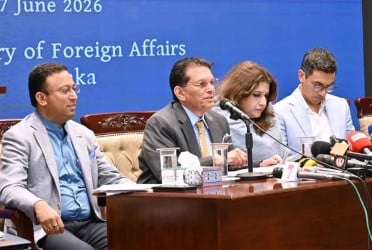
Encouragingly, the military has already expressed a positive stance regarding the forthcoming election. On 5 November, during a press briefing at Officers’ Mess (A) in Dhaka Cantonment, Lt Gene Md Mainur Rahman, general officer commanding of ARTDOCK, along with other military officials, outlined the army’s prospective role in the polls.
Brig Gen Dewan Mohammad Manzur Hossain stated that the chief adviser had instructed all institutions to prepare for a free and impartial election, and that the Bangladesh Army was preparing accordingly. He emphasised that the army would provide all necessary support to ensure a fair, free, and neutral election.
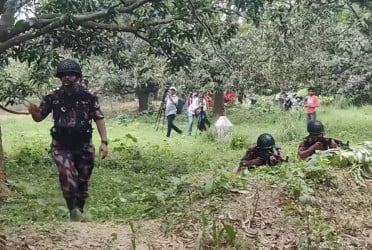
He also noted that between 90,000 and 100,000 personnel would be deployed, marking the highest level of election deployment to date. Camps will be set up at district, upazila, and constituency levels to maintain law and order, with the armed forces fully prepared to support the Election Commission.
As a result, the people of Bangladesh see the armed forces as their final hope for a credible election. However, citizens also bear responsibility. Recently, various interest groups have attempted to spread propaganda. In the briefing, Lt Gen Mainur Rahman said such campaigns were baseless, fabricated, and politically motivated, stressing that the army remains fully united and loyal to its leadership.
The people’s victory during the 2024 mass uprising was possible because the army refused to open fire on protesters. The military played a crucial role in stabilising the situation, paving the way for the formation of the interim government. Over the past 16 months, the armed forces have helped to reduce chaos, mob violence, extortion, and land grabbing.
Therefore, it is our duty to maintain faith in this institution, built on the spirit of the Liberation War. A free and fair election is essential to restore normalcy in the country – and for such an election, the armed forces are indeed our final hope.
Audite Karim is a writer and playwright. Email: [email protected]