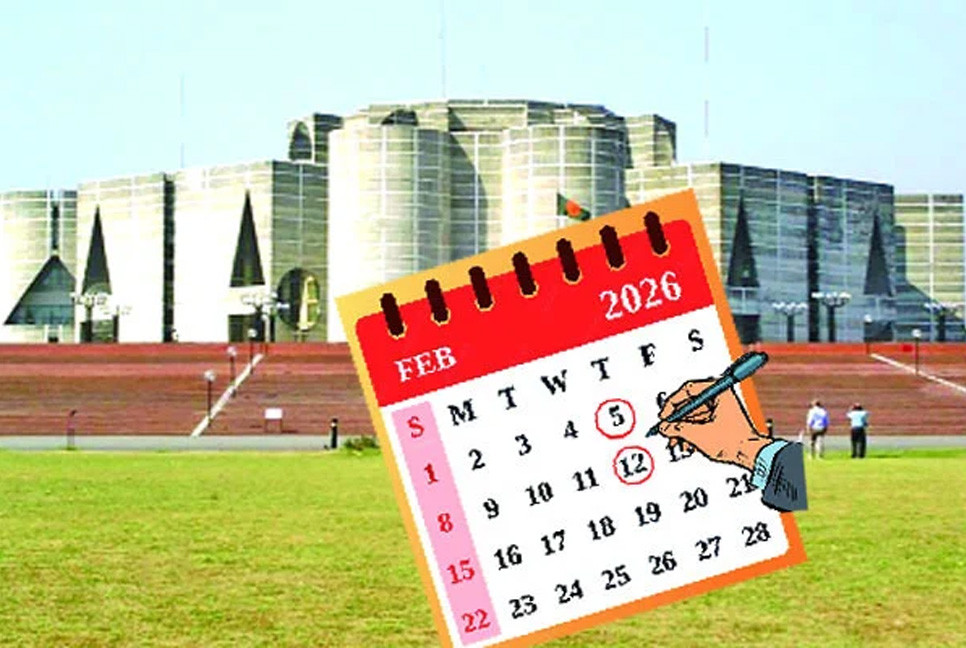
The Election Commission (EC) is making preparations for the upcoming national elections, considering February 5 or 12 as potential dates. Accordingly, the election schedule is likely to be announced on December 4 or 7.
The commission is also exploring the possibility of holding the parliamentary elections and the referendum simultaneously.
A formal decision will be made in the commission meeting if the government gives its approval, despite differences among political parties regarding the simultaneous holding of the parliamentary elections and the referendum.
The interim government has entrusted political parties with the responsibility of deciding on the points of dissent in the July Charter, the content of the referendum, its implementation process, and the timing.
This was decided at an advisory council meeting held at the office of the chief adviser on November 3. During the meeting, concerns were raised over disagreements among political parties about when the referendum should be held and what issues it should address.
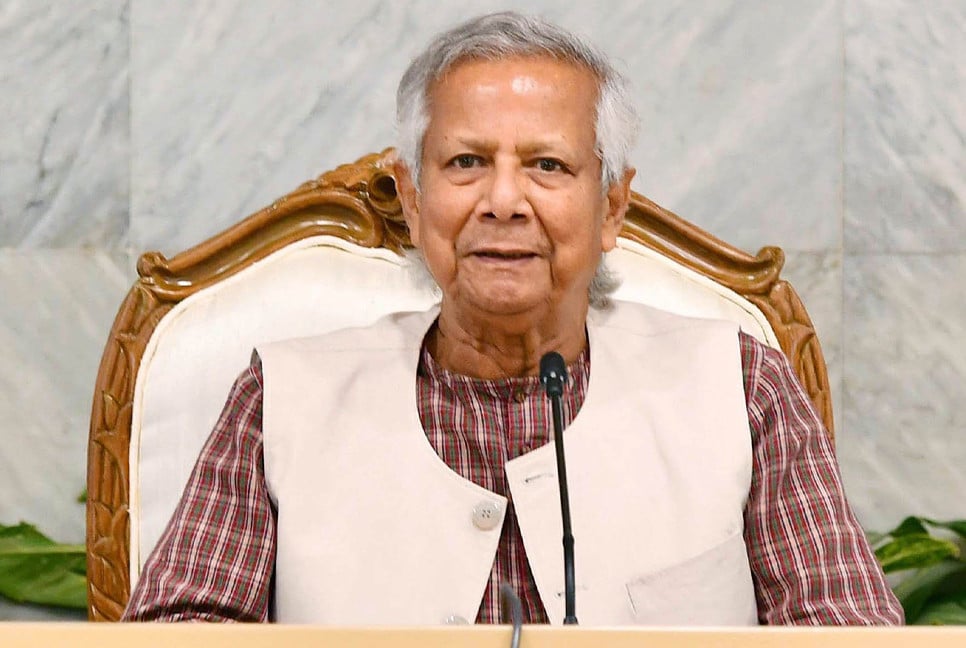
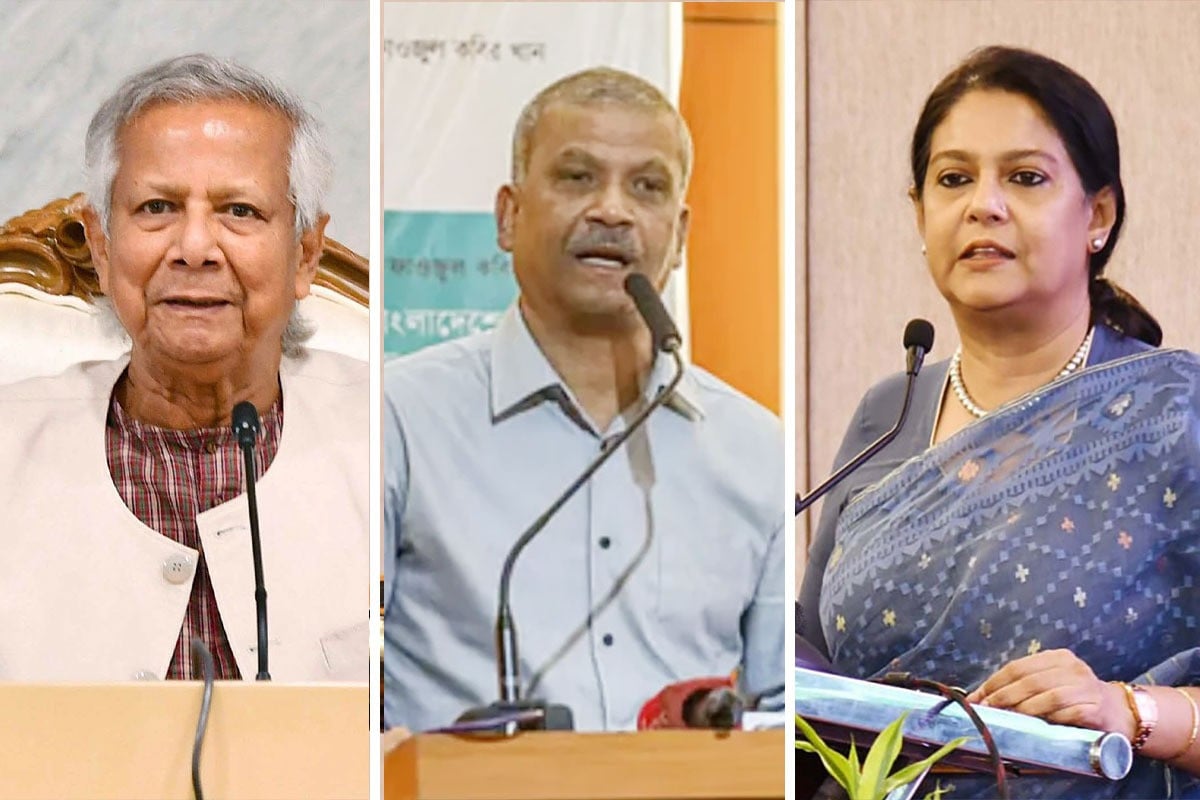
On that occasion, Law, Justice and Parliamentary Affairs Adviser Dr. Asif Nazrul urged the political parties, long-time allies in the anti-fascist movement, to reach a consensus and provide unified guidance to the government within a week, if possible, after holding discussions among themselves.
He added that receiving such instructions would make it much easier for the government to reach a decision.
Although the EC has not yet issued an official statement regarding the possibility of holding the parliamentary elections and the referendum on the same day, Election Commissioner Abdur Rahmanel Masud recently expressed his personal opinion on the matter.
He stated, “I am not saying this as a commissioner, but as a senior citizen of the country, I personally believe that if a referendum is to be held, conducting it alongside the parliamentary elections would save crores of taka.”
Responding to a question, he added, “From what we see in the newspapers, the decision largely depends on political consensus. This is a state matter and ultimately a government decision. If the government decides to hold a referendum, we will organize it, Insha Allah.”
The commissioner emphasized that combining both elections would be cost-effective and practical, explaining that organizing two major events separately would be an unnecessarily expensive undertaking.
He further noted that if the elections are held in February, it is feasible to conduct both simultaneously, although additional polling stations and booths may be required.
He concluded that while not impossible to hold them separately, it would be more efficient and beneficial to arrange both together.
Meanwhile, disagreements persist among political parties over the timing and method of the referendum. Some have proposed holding it on the same day as the parliamentary elections, while others suggest conducting it a month earlier.
EC’s Preparation
The EC has finalized preparations for the upcoming parliamentary elections, with polling stations already determined and the registration of political parties nearing completion.
Election training is currently underway, and once the registration process concludes, the EC will hold dialogues with the political parties later this month. The final voter list is scheduled to be published on November 18, ahead of the elections.
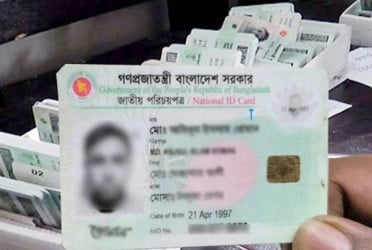
According to EC Senior Secretary Akhtar Ahmed, the total number of voters for the 13th parliamentary elections now stands at 127.6 million 12,384, including new registrants.
He stated that the commission has completed the list of polling stations, with 42,761 centers set up across 300 constituencies in 64 districts. In total, 244,649 polling rooms have been allocated—115,137 for men and 129,602 for women.
The EC has also decided to grant registration to three new political parties: the National Citizen Party (NCP), Bangladesh Aam Jonogon Party (BAJP), and Bangladesh Samajtantrik Dal (Marxist). All claims and objections will be resolved by November 12, after which the final certificates of registration will be issued.
With the recent issuance of the RPO Amendment Ordinance, all necessary reforms in the election laws have been completed. The EC has amended several key legal frameworks, including the Voter List Act, the Election Officers (Special Provisions) Ordinance, the Election Commission Secretariat Act, and policies related to polling stations, election observation, and journalism. Following the amendment of the Representation of the People Order (RPO), the EC will soon release an updated code of conduct for political parties and candidates.
For the first time, arrangements are being made to enable expatriate Bangladeshis to cast their votes through an IT-supported postal ballot system. More than one million people will be involved in managing the elections, which are estimated to cost around 2.5 billion taka.
If the parliamentary elections and the referendum are held simultaneously, the EC expects to save time and resources by completing both processes in a single event; otherwise, similar arrangements would have to be made separately for each.
The parliamentary elections are expected to take place in the first half of February before Ramadan, with the official schedule to be announced in December under the leadership of Chief Election Commissioner AMM Nasir Uddin.
Translated by bd-Pratidin English/ AM