The business sector in Bangladesh is currently going through one of its toughest times. Political unrest, rising production costs, investment uncertainty, inflation, and higher bank interest rates have all combined to create a difficult environment for doing business. From large industries to small entrepreneurs, everyone agrees — the cost of doing business is higher than ever before, and few people have the courage to invest in new ventures.
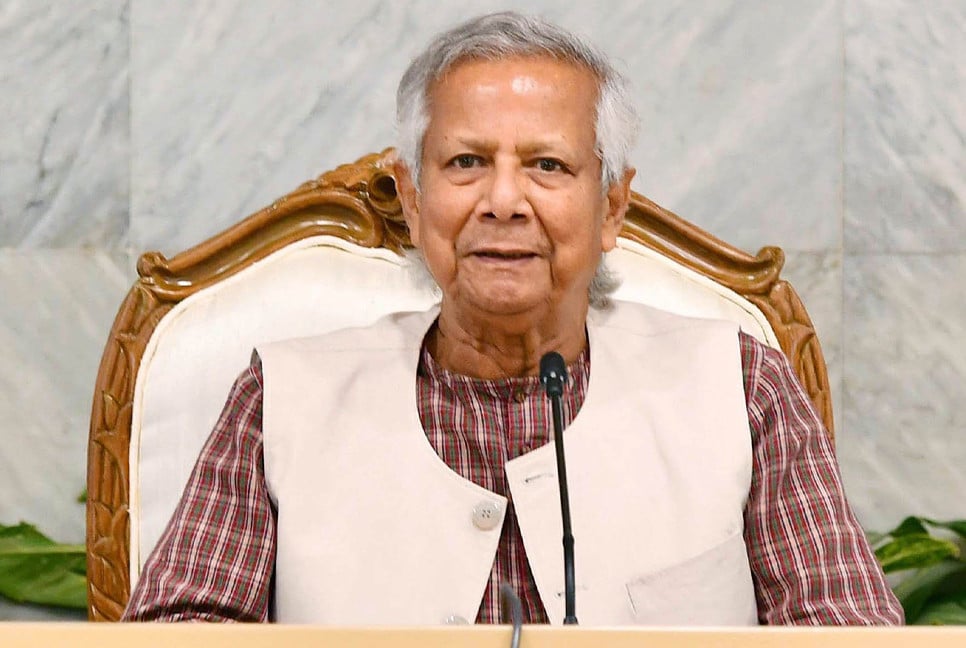
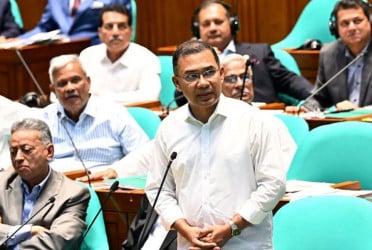
Dhaka Chamber of Commerce and Industry (DCCI) President Taskin Ahmed told Bangladesh Pratidin that this situation has arisen mainly due to inflation and the depreciation of the taka against the US dollar. As a result, import costs have increased, gas and electricity supply to industries has been disrupted, production costs have skyrocketed, and higher bank interest rates have stalled new investments.
He emphasized that to overcome the crisis, immediate reforms in the banking sector are essential. Interest rates must be reduced to ease the liquidity crisis. Above all, maintaining political stability is crucial. Without political calm, business stagnation will continue.
He urged the government to hold free and fair elections as soon as possible to restore business confidence.
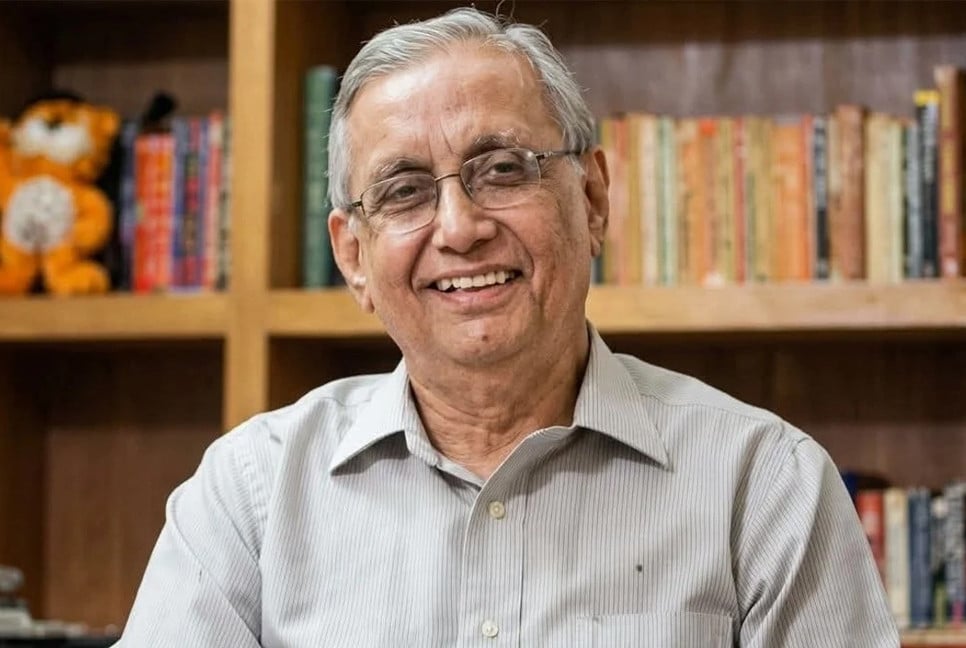
Metropolitan Chamber of Commerce and Industry (MCCI) President Kamran Tanvirur Rahman said, “Imports of capital machinery have dropped significantly — a clear sign that investment is falling. Production costs have gone up, but product prices haven’t increased at the same pace. Because of high inflation, consumer demand has also decreased.”
He added, “We believe that after the elections, once political understanding is reached, the situation will start to improve. Investors are waiting for the elections. Everyone is uncertain now, but once elections are over, some of that uncertainty will fade.”
Although some pressures in the business environment have slightly eased in the new fiscal year compared to the last, the core issues remain unchanged. Various business organizations and analysts say that while a few sectors have shown minor progress, the overall situation remains unstable. According to them, running a business has become more expensive and complicated than before, and starting a new venture is now a major challenge.
A recent BBX survey found that 78% of businesses reported higher production costs due to inflation and financial uncertainty — particularly in the ready-made garments, pharmaceuticals, and wholesale trade sectors. About 58% of firms said they are facing financial strain, and 60% are struggling with long-term planning.
Industrial entrepreneurs say that high interest rates are now the biggest obstacle. With bank loan rates moving into double digits, the cost of capital has nearly doubled. Rising prices of fuel and raw materials have pushed production costs beyond control. Many factories are running on diesel generators, which have increased per-unit production costs by as much as 15%. Some industrial zones are even forced to halt production periodically due to unstable fuel supplies.
Transportation costs have also risen. Alongside fuel price hikes, road blockades and protests are disrupting supply chains. Several industrialists said that most investors are now in “wait-and-see” mode — waiting for the situation to stabilize before making new investments.
In short, the rising cost of doing business has become the central concern across all sectors of Bangladesh’s economy.
Bd-pratidin English/ ANI