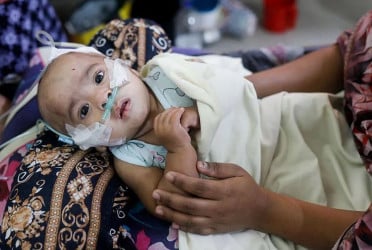

Tobacco remains one of the greatest threats to public health, silently affecting not only the individuals who use it but also the next generation. Tobacco harms not only smokers but also those exposed to second-hand smoke are affected simultaneously.
Each year, about 1.2 million people die from health problems linked to second-hand smoke. Almost half of all children are regularly exposed to tobacco-polluted air, and around 65,000 of them die annually from tobacco-related illnesses.
In addition, smoking during pregnancy can cause long-term health complications in children.
In Bangladesh, where tobacco use is still widespread among men and increasingly seen among women, its impact on reproductive health and fetal growth has become an urgent concern. Evidence is now overwhelming that maternal tobacco uses whether active smoking, smokeless tobacco consumption, or exposure to second-hand smoke seriously compromises pregnancy outcomes and contributes to long-term child health problems, including stunting.
This issue deserves immediate policy attention, particularly through amendment of the country’s tobacco control law.
Scientific literature through decades of research has confirmed the devastating effects of tobacco on pregnancy. Smoking during pregnancy is strongly linked to fetal growth restriction, preterm birth, and low birth weight, the key predictors of childhood stunting.
Stunting is more than a height problem; it is a marker of malnutrition and delayed development. Children who are stunted are more likely to suffer poor school performance, reduced earning capacity, and, in the case of girls, a higher risk of giving birth to low-birth-weight infants themselves. The pathway is clear. Tobacco toxins cause oxidative stress and disrupt fetal gene expression, which impairs growth. Both smoking and smokeless tobacco keep down the fetal development, while heated tobacco and e-cigarettes also pose risks.
Second-hand smoke is just as harmful, with even three hours of daily exposure connected to fetal growth restriction. In Bangladesh, tobacco use is still alarmingly high, posing a serious public health challenge. Approximately 4 out of every 10 people in the country are exposed to second-hand smoke.
Daily, 42.7% of adults face exposure at workplaces, 49.7% in restaurants, and 44% on public transport, effecting around 38.4 million people. Children and adolescents are also heavily affected, with 59% exposed to public places and 31% within their homes. This leads to experiences 161,253 premature deaths annually in Bangladesh. Notably, 21% of these deaths are attributable to second-hand smoke exposure. Bangladesh ratified the WHO FCTC in 2004 and adopted policies, but gaps still exist. There is weak protection from second-hand smoke and inadequate regulation of smokeless products, e-cigarettes, and heated tobacco products.
The WHO recommends comprehensive demand-reduction measures under the MPOWER framework, including higher taxation, graphic warnings, bans on advertising, and enforcement of smoke-free environments. While Bangladesh has implemented some measures, enforcement is still inconsistent and penalties insufficient. To protect mothers and children, urgent law amendments should ensure 100% smoke-free spaces, stricter regulation of all tobacco products, 90% pictorial warnings, regulated sales, and the inclusion of cessation counseling in maternal health services.
Women, especially in low-income households, are left unprotected. Homes and markets spaces where they spend much of their time remain filled with tobacco smoke. Enforcement rarely reaches these settings.
Worst part is tobacco companies take advantages of legal loopholes to market products that specifically appeal to women and youth. Bangladesh has made commendable progress in reducing tobacco prevalence, yet the burden remains unacceptably high.
Without urgent legal reform, the health of mothers and children will continue to be compromised, and the cycle of malnutrition and poor growth outcomes will persist. Tobacco control is vital for the country to achieve SDGs on nutrition, maternal health, and poverty reduction. Delay worsens child stunting and low birth weight. Protecting mothers and children from tobacco harm is a preventable necessity demanding urgent political will.
Amending the tobacco control laws will protect unborn children. It will also show that Bangladesh values women’s and children’s health more than the profits of the tobacco industry. Science is clear; the solutions are known.
The nation has taken bold steps before. It can do so again. The time to act is now.
The writer is the program coordinator at the Tobacco Control Program, National Heart Foundation Hospital & Research Institute