Most of my friends are politicians and businessmen. Although I was involved in politics from secondary school, I no longer have much contact with my school and college political friends. The main reason is that most of them could not maintain continuity in politics and later drifted into other professions.
Some have been defeated in the battle of life; some have even departed from this world. But many of my university friends — several of whom were my classmates at Dhaka College — have achieved remarkable success in life, politics, literature, and the civil service — a success none of us could have imagined in our student days. Whenever we meet for a nostalgic get-together, the joy and inspiration we draw from reminiscing about the past are beyond words.
One of my friends, who used to loiter for hours in front of Eden College hoping to catch a glimpse of the girl he liked, has now become the object of desire for many women due to his success in life. Another friend, who had to sleep in a mosque during his first year at university because he didn’t get a dorm seat and had to plead and serve student leaders just to get one, later became a minister and MP, moving around with bodyguards as if he were born to a lineage of aristocrats and titled men.
Those who succeeded as businessmen mostly came from rural, marginalized families — some from the lower-middle class — whose parents could barely send them a thousand taka every few months. These friends, through tireless effort in tutoring, lodging, or small part-time jobs, were blessed by fate with immense wealth and assets. When I see them now, I can’t help but exclaim, “Is this really possible?” One bright but impoverished boy who came to Dhaka in 1982 to study not only completed his education successfully but also established major industrial enterprises that now employ thousands.
At Dhaka College and Dhaka University, many of my classmates were sons and daughters of wealthy families — children of renowned bureaucrats, judges, presidents, poets, writers, landlords, and nobles. At that time, brain drain had not yet begun, and private university culture did not exist in Bangladesh. These rich kids generally did not mingle with us rustic types. The rural students, on the other hand, formed groups — first by district, then by division, and finally by academic merit. Some of them got involved in student politics; a few became skilled in violence, extortion, and tender manipulation. For some reason, in our days, there was a strange fascination with goons — even girls were attracted to them. Those who had poetic talent or could captivate an audience with their eloquence were also highly admired.
I was frail, timid, and shy by nature. I longed to be tough like the goons, but the mere mention of violence made me tremble. I could barely speak to my gangster friends out of fear. My heart always yearned for love, but whenever I saw a girl, I froze — my hands and feet went numb, my tongue stopped working, and sweat poured down my forehead. So my desire for romance withered deep inside me. Sometimes I wanted to renounce worldly life; at other times, I felt angry at girls for not taking the initiative and confessing their love to me!
At the college hostel, university dorms, or student messes, we used to have long, lively chats. The goons bragged about their exploits; the lovers read out their girlfriends’ letters — and simpletons like me listened in awe, feeling thrilled just to be part of it all. We also discussed our struggles, especially the poor students who begged friends for help finding tutoring jobs. Those of us with many relatives in Dhaka helped them get jobs easily — always selflessly.
When I think about how 43 years have passed since those days, an ache wells up in my heart. Before the pandemic, my friends and I wanted to live long lives. We discussed every challenge openly and always tried to support each other. We used to hang out — sometimes at friends’ homes, sometimes in five-star hotels, but mostly in the same modest eateries tied to our student memories. Those moments brought us immense joy.
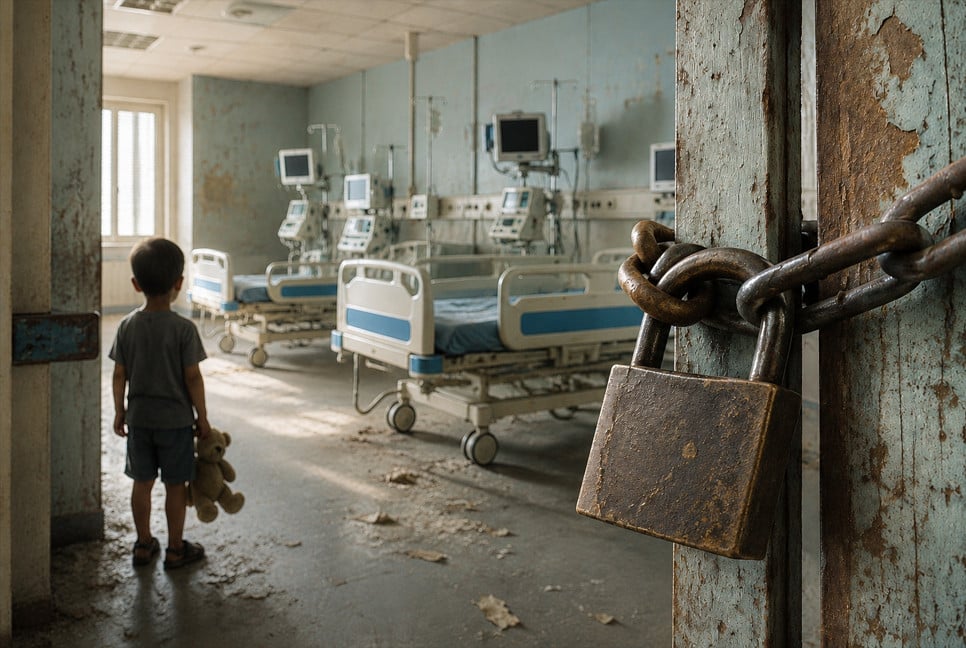
But our long-standing friendship and the rhythm of our lives abruptly stopped during the COVID-19 pandemic. Fear and isolation tore us apart. The family bonds of affection, love, and responsibility decayed into something foul. When parents or children got infected, no one dared go near. If a loved one died in the hospital, we mourned from home and left the burial to volunteers.
The pandemic devastated our businesses — a catastrophe only the victims can truly describe. Many went bankrupt; those who survived were like ICU patients — barely breathing. During this crisis, corrupt officials from banks, customs, and tax departments choked businesspeople like the angel of death. There was no room left to cry for help or seek rescue. My successful friends began to wail in despair. We called each other and, remembering our past pleasures, realized that COVID had exacted its revenge. We survived through tears, anguish, and a brutal awareness of life’s fragility.
Today, the world is full of research on COVID. Most studies conclude that it was the greatest corporate fraud in human history — a man-made catastrophe. The godfathers of global capitalism exploited fear to reap unprecedented profits while destroying livelihoods, nature, and moral values. It may take another half-century for humanity to recover.
Every nation suffered from the pandemic, but Bangladesh suffered immeasurably. The post-COVID political turmoil, economic crisis, and social decay have left us shattered. Our downfall has accelerated at a supersonic pace — faster than the speed of sound. Those who have flown in supersonic aircraft, like the Concorde, know the strain it puts on the brain, blood flow, and digestion. Likewise, our nation has become disoriented, numb, and bewildered. Poverty, corruption, and fear have crippled our ability to think. Joy, nostalgia, and love have been buried under the dust of despair.
In the past year, my contact with friends has dwindled to almost nothing. I am alive, yes — but I no longer know how my neighbors, relatives, or friends are doing. Life’s struggle has thrown me into a vast, bottomless sea where I can only keep my nose above water to breathe — with no dreams, desires, or delights left.
The writer is a former member of parliament and a political analyst.