The indiscriminate use of life-saving antibiotics is increasing the risk of death. Irrational and unnecessary use of antibiotics is causing bacteria to become resistant to them. Alarmingly, antibiotic-resistant bacteria are now being found even in local communities. Doctors fear that if this continues, antibiotics may eventually stop working even for common colds and fevers. At that point, people could die from even minor illnesses.
Despite alarming findings from icddr,b and various international organizations, effective action remains absent. Dr. Gazi Md. Salauddin Mamun, Assistant Scientist at icddr,b’s Infectious Diseases Division, said studies show that most ICU patients are infected with antibiotic-resistant bacteria. For example, ceftriaxone—a widely used antibiotic in public hospitals—remains effective in only about 8% of ICU cases. Meropenem, a powerful antibiotic reserved for last-resort use, is now effective in merely 30% of ICU infections due to misuse.
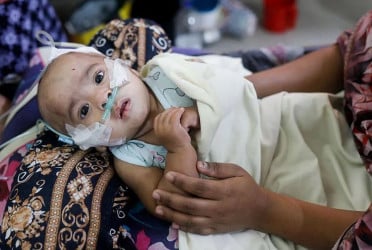
According to the World Health Organization, in a country where the use of first-line or access group antibiotics is expected to be 60 percent, our country is using second-line or watch group antibiotics the most—63 percent. Among hospitalized patients, antibiotics are used most frequently in children. Although many illnesses in children are viral and would recover well without antibiotics.
Dr. Mamun added that the idea that antibiotic-resistant bacteria exist only in hospitals is no longer true. Research shows these bacteria are now found in communities as well—carried by people who come into contact with hospitals, including newborns. These deadly germs can easily infect vulnerable family members such as children and the elderly. The bacteria are also spreading among hospitalized patients and newborns. Yet, icddr,b research has shown that simple measures like proper handwashing and hygiene, as recommended by WHO, can significantly reduce transmission.
Dr. Md. Fazle Rabbi Chowdhury, Associate Professor of Internal Medicine at Bangladesh Medical University told Bangladesh Pratidin, “Some antibiotics are reserved strictly as last-line drugs. WHO recommends that these ‘reserve group’ antibiotics should not be used unless absolutely necessary. But we now see these powerful antibiotics being used routinely—even in general hospital wards instead of ICUs. The unnecessary use of antibiotics in livestock farms is worsening the crisis.”
Dr. Lutful Kabir, a faculty member at Dhaka University’s Department of Pharmaceutical Technology, warned that antibiotic resistance is growing at an alarming rate. “Some unethical doctors prescribe multiple antibiotics from different companies to please pharmaceutical representatives. Drugstore owners also sell antibiotics without prescriptions. On top of that, many patients fail to complete their antibiotic doses due to lack of awareness,” he said.
He cautioned, “We must remember that once we exhaust the reserve antibiotics, there will be nowhere left to turn. Eventually, antibiotics will fail even against common colds or minor infections—and people will start dying from diseases that were once easily treatable.”
Bd-pratidin English/ ANI