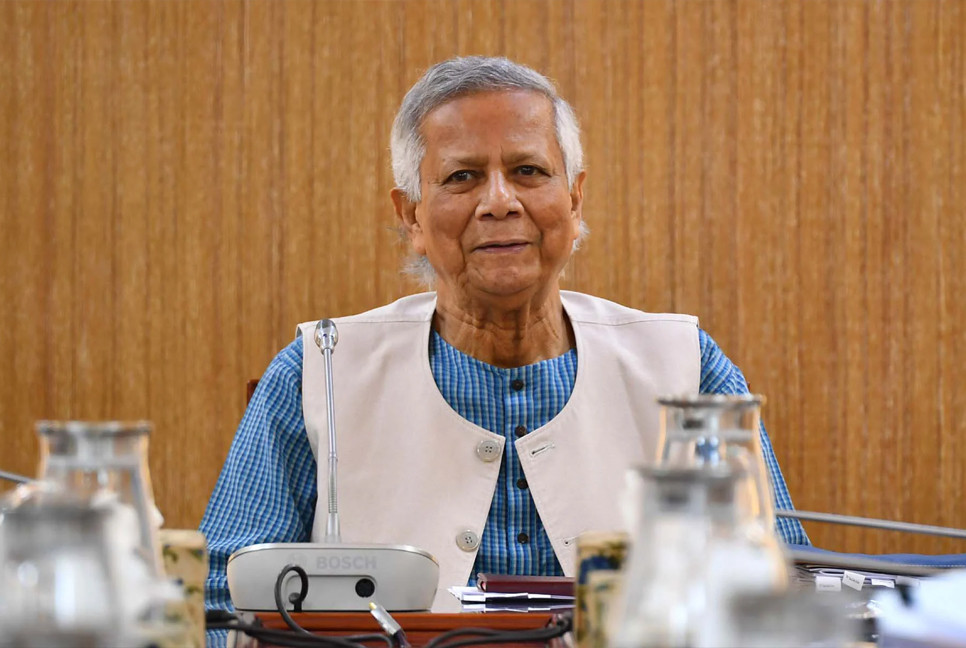
All around lies a hostile and adverse situation. Every day, new conspiracies are taking root. The field of politics is shrouded in disunity and division. Yet, despite all these obstacles, the determined helmsman remains resolute in steering Bangladesh toward its desired destination.
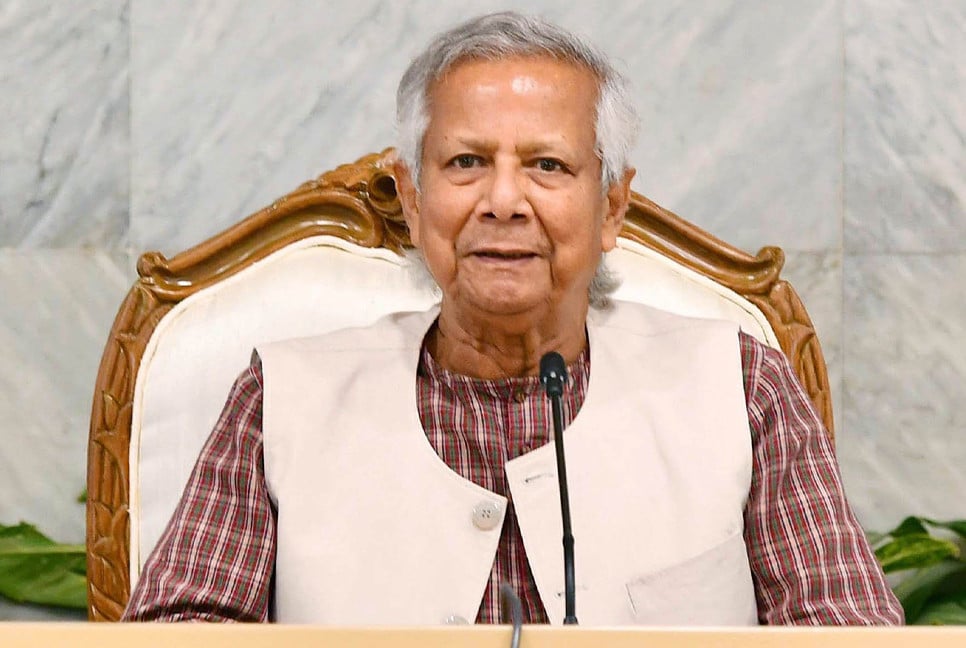
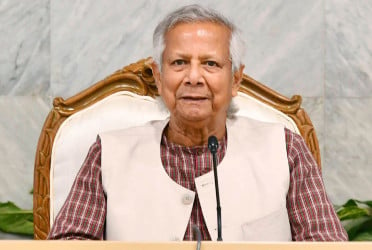
Leading the nation through every barrier, Prof Muhammad Yunus stays unwavering in his vision and steadfast in his resolve. He continues to move forward to fulfil his promises to the people.
Ignoring all provocations, Prof Yunus is guiding Bangladesh toward democracy and elections. For the chief adviser, this is the most important and final task of his current responsibility – to hold a free, fair, and impartial election.
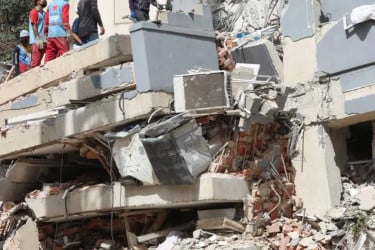
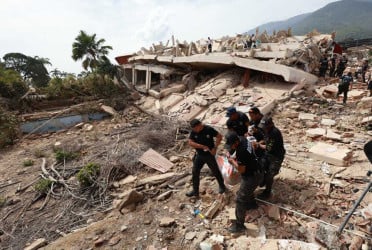
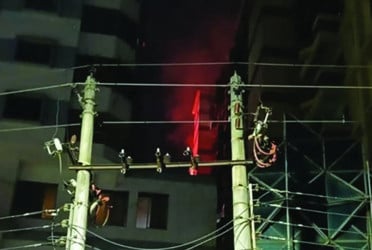
Before and after the signing of the July Charter, several devastating fires occurred – the Mirpur chemical warehouse fire, the catastrophic blaze in the Chattogram EPZ, and finally, the fire at the cargo village of Hazrat Shahjalal International Airport.
These incidents have caused deep anxiety across the nation. Most citizens believe these events were deliberately orchestrated to derail the election and destabilise the country.
The three unfortunate incidents dealt a severe blow to the economy, yet the government managed the situation with patience and composure, taking the necessary steps without fuelling panic.
In the past, when such incidents occurred, we often saw governments rush to play blame games instead of solving the problem. Before investigations even began, blame was shifted onto the opposition.
Such overzealous reactions often compromised neutrality, obscuring the truth. The Yunus government has broken away from that unhealthy political tradition.
Committees have been formed to investigate each of these incidents, and government representatives have refrained from making premature comments for the sake of impartiality.
The statement of the Commerce Adviser after the airport fire was particularly calm and responsible. Prof Yunus did not allow his government to use these incidents as political weapons.
The signing of the July Charter was a crucial step toward the upcoming election. However, attempts were made to undermine the process. Before the ceremony, the NCP announced it would not sign the Charter without a clear legal basis for implementation.
Upon returning to the country on October 15, Prof Yunus met with political parties involved in the National Consensus Commission. In that meeting, he demonstrated exceptional prudence and foresight. Under his leadership, both the NCP and Jamaat demanded legal clarity for the Charter. The chief adviser listened patiently but refrained from making any controversial remarks.
By emphasising the positive spirit of unity within the Commission, he sent a clear message – the July Charter would be signed, and the election, targeted for early February, would proceed as planned.
And indeed, on October 17, we all witnessed history – despite boycotts and protests, representatives from 24 political parties signed the July Charter, overshadowing all attempts at disruption.
Yet even after the signing, doubts about the election persist. The NCP and Jamaat now stand face-to-face. Over the past year, political distrust and division have deepened. Concern and frustration are evident among responsible political leaders.
BNP Secretary General Mirza Fakhrul Islam Alamgir recently remarked after the student-people uprising that “politicians are losing unity.” He said, “After such a historic uprising, an opportunity has arisen to rebuild the nation beautifully. But when we look around, we see disunity everywhere.” His words echo the sentiments of millions. Political discord is breeding rumours and confusion.
Recently, a Facebook post by former Army Chief General (Retd) Iqbal Karim Bhuiyan has sparked further debate.
He claimed that the current interim government might remain in power for another one to two years, predicting that after that period, BNP could come to power depending on India’s strategic position and the weakened state of the Awami League. He even speculated that if BNP failed to control planned violence and unrest, a repeat of 1/11 could occur.
In his Facebook series titled “Where Are We Heading in the Next Five Years?” General Bhuiyan wrote, “If inefficiency or deterioration of law and order occurs, or if reforms begin under student pressure, elections might not happen, and the interim government will continue.
Then weaker ministers will be replaced, and a national consensus government may be formed with Prof Yunus as President.” Such statements and speculations only add to public confusion.
Yet the people still believe that Bangladesh will ultimately follow the right path. They believe that Prof Yunus, the Nobel Peace Prize laureate, will keep his promise.
Through a free and fair election, Bangladesh’s democracy will embark on a new journey. Prof Yunus knows this is perhaps the most important test of his life – and he knows that, under his leadership, Bangladesh must pass this test. There is no alternative.
The writer is a writer and playwright.