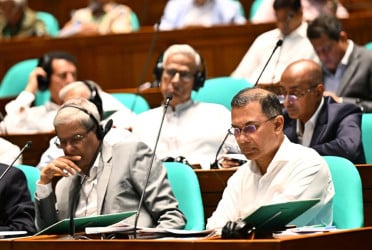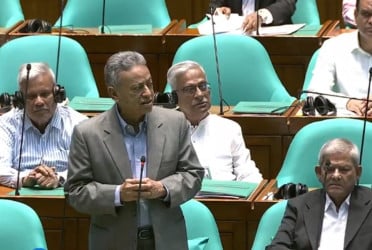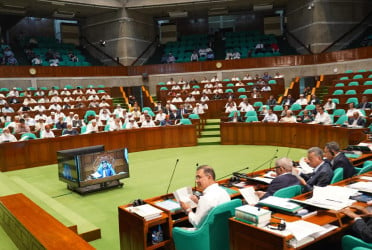
Finally, the election train has departed from the platform. Last Friday evening, through the signing of the July charter, Bangladesh officially began its journey towards the upcoming election.
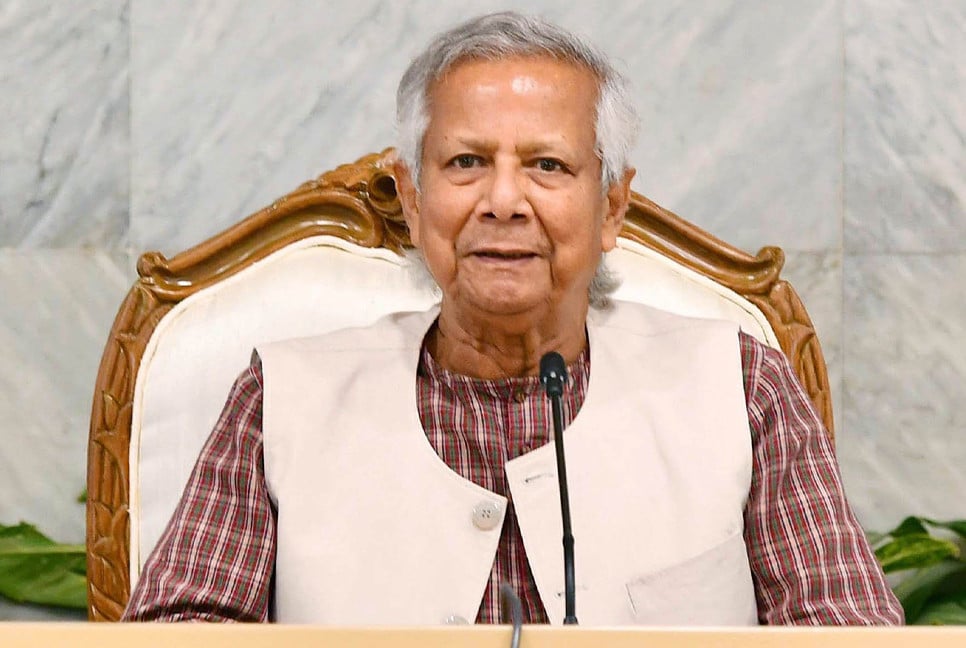
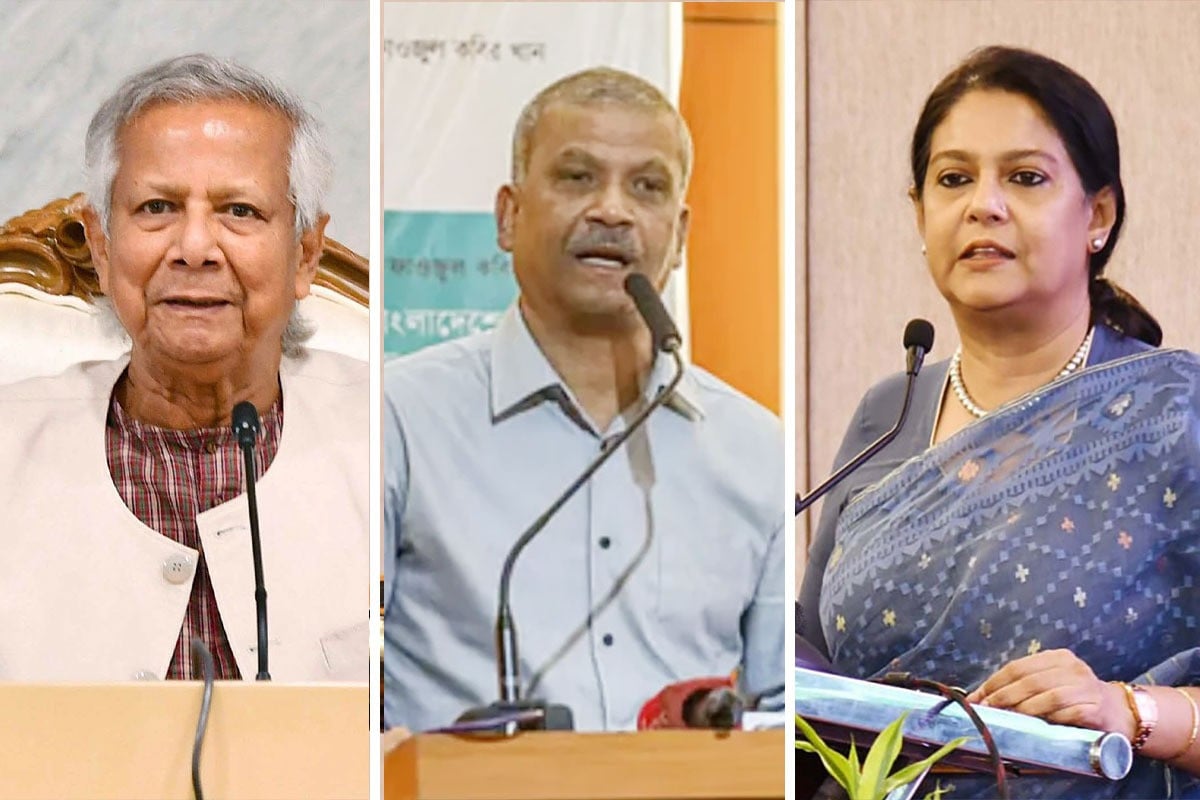
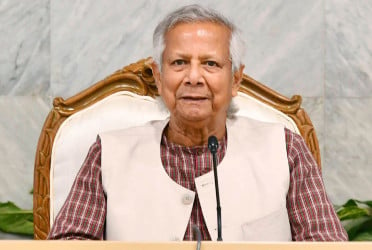
The electoral whistle has been blown. Under the leadership of Chief Adviser Prof Yunus, the people of this country have witnessed yet another historic moment. Securing the consent and signatures of most political parties on the July National Charter was no easy task.
In the final moments, several unexpected incidents took place. A few parties, including the NCP, have not yet signed the charter. They were also absent from the signing ceremony. This has certainly dampened, to some extent, the joy and emotional significance of the event. On the morning before the ceremony, an untoward incident took place at the venue. The July warriors staged a protest demanding the inclusion of certain points in the charter. Their protest turned violent.
However, the National Consensus Commission and the government were able to bring the situation under control in the shortest possible time. Accepting the demands of the July warriors, the Commission introduced amendments to the pledge related to the implementation of the July charter. The law enforcement agencies wisely managed the situation. Overcoming all these adversities, the July charter signing ceremony was successfully completed. This event stands as a symbol of the glorious history of Bangladesh in overcoming hostility and making sacrifices to achieve every milestone. None of our achievements have ever come easily; the incidents leading up to the signing of the July Charter have reminded us of that once again.
It has once again been proven that Bangladesh moves forward by conquering adversity.
Without signing the July charter, the electoral journey could not have begun. This is the foundation of the upcoming election. With this signing, Bangladesh has overcome the final obstacle in the election process. While addressing the event, the Chief Adviser raised the issue of the election. Prof Yunus expressed hope that, based on the July Charter, the upcoming election would be held in a festive atmosphere.
There is no reason to deny that there were some shortcomings in the event. The absence of the new political party NCP, formed by the frontliners of the July movement, has saddened many. Regardless of NCP’s current popularity, it cannot be denied that they were the ones who created the context for this charter.
It was these young people who built the foundation of the final movement that brought down a monstrous government that had been in power for 15 long years. The quota reform movement ultimately transformed into a movement to overthrow the dictatorship. People from all walks of life took to the streets alongside the youth. These young people are the precious children of history.
Many believe that after the July revolution, these youths should not have become part of the interim government. Some also think that forming a political party so quickly from a platform of an anti-discrimination student movement was not the right decision.
I do not want to enter that debate. I believe that the infusion of youthful energy into Bangladeshi politics is essential. New ideas and thoughts will help politics evolve further. Those who are leading the NCP are all young. Most of them are either still students or have just completed their academic lives. These young people have many paths ahead of them. There is no need for them to rush. The public is more interested in seeing them as the conscience of the nation rather than seekers of power.
If, after the July movement, they had stayed away from power and kept pointing out the faults of the government and political parties from a distance, then I can say with certainty that people would have carried them on their shoulders. But the moment they became part of the government and formed a political party, people began to see them in the same line as the traditional power-hungry politicians. The emotion and love that people had for them gradually started to settle.
More importantly, this country is a land of ebb and flow. Not every day is the same for everyone. The popularity that the young leaders of NCP had in July-August of 2024 is no longer there. That is the law of the world. I believe the youth could not grasp this reality. The gradual decline in their popularity since last August is perhaps difficult for them to accept.
For this reason, many of the NCP youths are behaving intolerantly, which people do not expect from them. Threatening to tear out someone’s heart or verbally abusing someone in vulgar language is not something most people appreciate. Politics is a test of patience and sacrifice. Here, things do not happen like – I came, I saw, I conquered. In politics, the people are the ultimate judges. Their likes and dislikes are what matter. That is why NCP must take political decisions with calmness and composure. Every step they take must be carefully considered.
How much of the decision not to sign the July charter was guided by political reasoning and how much by emotion is a big question. If NCP had looked at the matter of signing the July charter from a political perspective, they would certainly not have taken such an emotionally driven decision. The charter and its implementation are two entirely different matters. Only after collectively approving the July Charter will the question arise of how it will be implemented.
Once all political parties sign the charter, discussions will surely take place among the parties. The government will take a logical decision based on everyone’s opinion. It has already been agreed that a referendum must be held for the July charter. When the referendum will take place and how the questions will be presented to the people – these issues are still unresolved.
These can only be resolved through dialogue. That is why Jamaat has signed the July charter. Signing it does not mean they have stepped back from their demand for a referendum and a PR-based election in November. NCP too could have signed the July charter while keeping their demands intact. That would have made their demands even stronger. No one disagrees with the core demands of NCP. All political parties want a legal foundation for the July charter. There are disagreements only about which system will provide legal validity. That is normal. If the parties can formulate the July charter through dialogue, they can also determine its implementation process through dialogue.
Therefore, boycotting the signing of the July charter was a wrong decision by NCP. I would call it the delusion of youth. However, there is room for hope – the National Consensus Commission has announced that political parties will still have the chance to sign the charter.
Till October 30, there is an opportunity to sign it. So we hope that once their emotions subside, the youth will surely realize the reality. By signing the July charter, NCP will open the path for democratic transformation. The July revolution will find its fulfillment.
Audite Karim is a writer and a playwright. Email: [email protected]