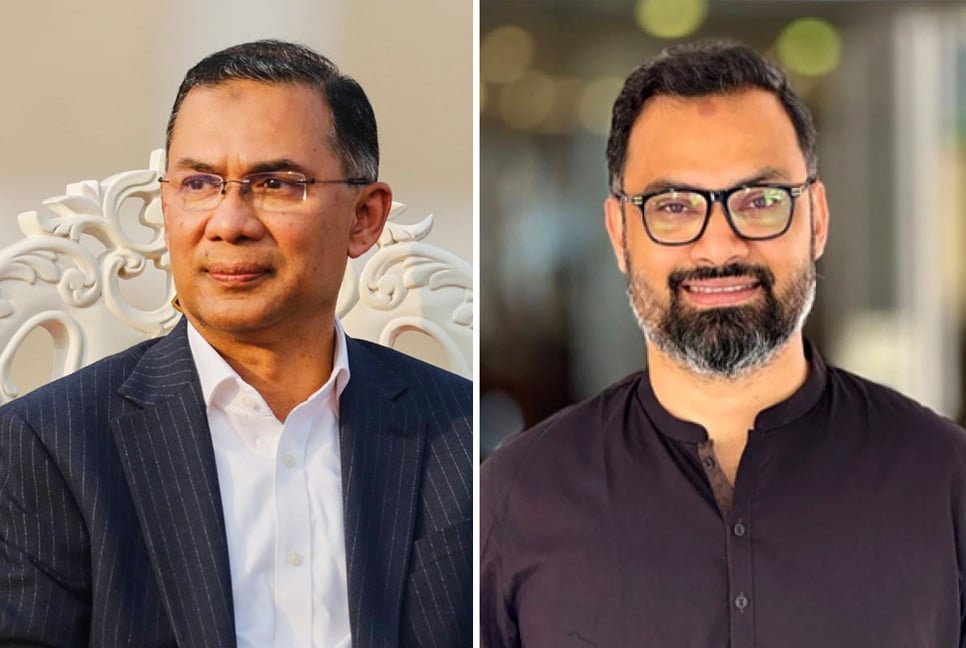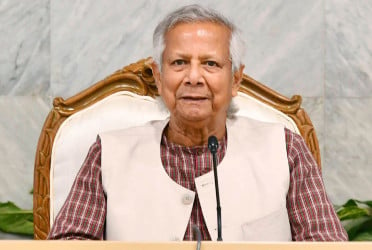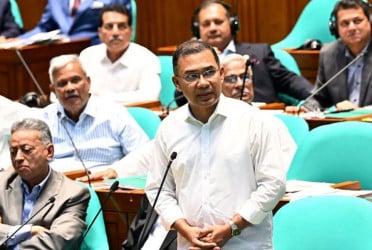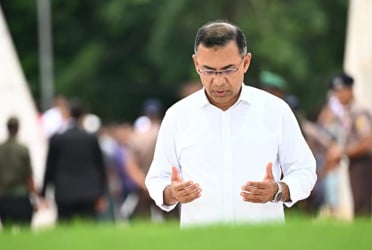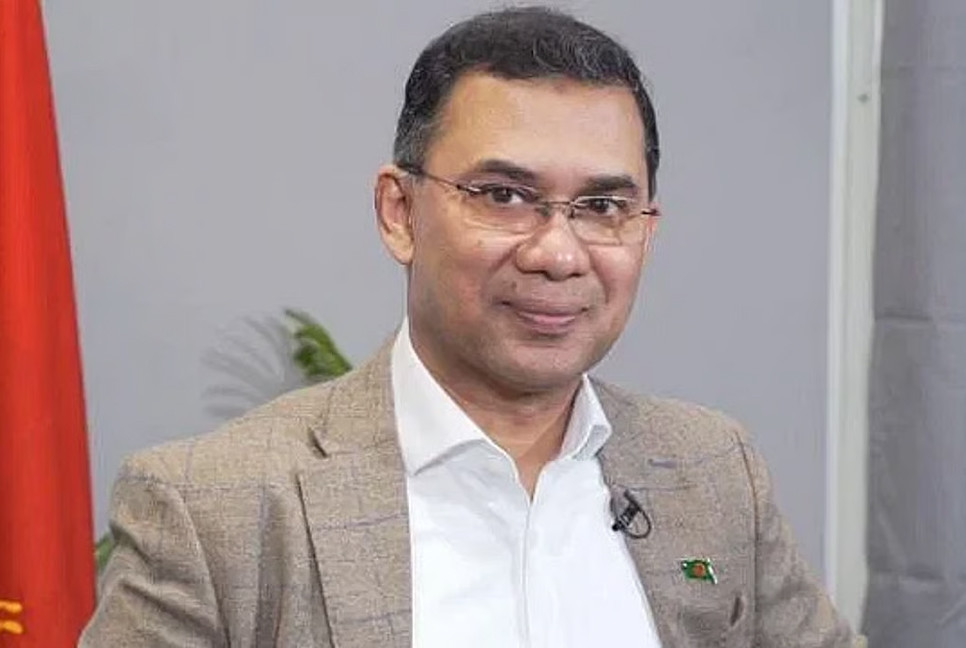
After nearly twenty years, Mr Tarique Rahman has spoken to the media. While he has maintained online contact with his party and supporters over the years, he had not communicated directly with the general public for a long time. During the 2007–08 military-backed caretaker government, he was compelled to leave Bangladesh. In his absence, the Sheikh Hasina-led government filed numerous cases against him, and courts issued verdicts in absentia.
He was also subjected to a media blackout, leaving the public curious and skeptical. Questions arose about the man who, from 8,000 kilometers away, had been leading BNP’s democratic struggle for the past 17 years. What kind of person is he really?
His recent interview with the BBC has created widespread resonance among the general public, intellectuals, and BNP supporters. While his political rivals have expressed cautious reactions, they understand that Tarique Rahman is not just capable of restoring BNP’s damaged image but could also generate a political wave that they may not be able to resist.
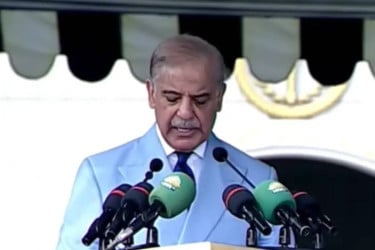
Tarique Rahman’s interview with BBC: Tarique Rahman reaffirmed his commitment to freedom of expression in response to questions about his long absence from the media. He also subtly reminded the media of their responsibility to safeguard press freedom. Recalling the freedom of the press during BNP’s rule, he assured that such freedoms would remain intact in the future. BNP is committed to freedom of expression and individual liberty. He stated that any laws or ordinances limiting these freedoms would be reformed through discussion and dialogue.
He cautioned against the spread of false or misleading information on social media and urged the media not to present propaganda as news.
Regarding the July uprising, he said it was the result of spontaneous public participation and the culmination of a decade-long struggle against authoritarianism. He called for empathy and solidarity with the families of martyrs and the injured, acknowledging the contributions of people from all walks of life in the uprising.
On elections and democracy, Tarique Rahman was clear: Bangladesh’s sovereignty belongs to the people. The only way to return power to the citizens is through elections.
He emphasized participatory and inclusive politics to rebuild the state. He welcomed other political parties’ freedom to form alliances and engage in politics within the constitutional framework. Competitive elections, he stated, are an indispensable element of democracy, and BNP believes in multi-party politics and accountability.
Regarding the criteria for candidate selection, he said nominees must earn the support of not just the party but the entire constituency. They should maintain close contact with the people and be capable of addressing local issues. On whether he would become Prime Minister if BNP wins, he responded with humility and wisdom, saying the decision rests with the people and the party. Rejecting dynastic politics, he emphasized that leadership requires personal merit, sacrifice, and the ability to endure political hardships.
He spoke clearly on corruption, good governance, and the rule of law. Acknowledging that corruption has become a social disease, he admitted that previous BNP governments did not sufficiently curb it but promised to gradually control corruption if given the opportunity. He noted that allegations of extortion or misconduct within the party have been strictly addressed and drew attention to false propaganda against BNP members. He assured that any party member involved in unethical activities would face strict action. He also urged law enforcement agencies to act impartially according to the law and assured that if BNP came to power, these agencies would operate free of political influence.
He strongly condemned killings, enforced disappearances, torture, and corruption by Awami League followers and emphasized that those responsible must be brought to justice, even if the party itself is implicated. On the political future of Awami League, he stated that the public will decide whether to support a party involved in murder, disappearances, corruption, and money laundering.
He stressed that BNP’s fundamental principle is “Bangladesh First.” Its diplomacy and foreign policy would be based on this principle. Relations with India, he said, would be built on justice and equality, respecting public sentiment.
On reforms, he reminded that the essence of democracy is accepting differing opinions. He reaffirmed BNP’s commitment to implementing the issues outlined in the July Charter through legal and constitutional means and promised that if BNP came to power, the agreed-upon measures, along with the announced “31-point political commitments,” would be implemented.
Regarding relations with the caretaker government, he described them as political yet friendly. While acknowledging the government’s efforts, he also noted their inherent limitations. Criticizing the 1/11 government, he called it a government with dishonest intentions aimed at destroying the political system.
In summary, Tarique Rahman has offered a new ray of hope for the people of Bangladesh and democracy itself. He envisions a Bangladesh with participatory, inclusive, and accountable democracy; freedom of expression and personal liberty; and a corruption-free society. As a citizen, I choose to believe in this vision.
Author: Retired military officer; Senior Research Fellow, Foundation for Strategic and Development Studies