The national election is approaching. If everything goes according to plan, the 13th National Parliamentary Election will be held in the first half of February next year. The past three elections, held during the tenure of the previous Awami League government, were among the most controversial and tainted elections in Bangladesh’s political history. In all these elections, voters were deprived of their right to vote.
As the national election approaches—likely to be held in early February next year—concerns are growing about fairness and credibility.
The controversial elections angered people and played a significant part in the fall of the Awami League government. Those who are 34 years old today became eligible to vote after turning 18, but they were never allowed to cast their votes in a national election. This has caused frustration and resentment among them.
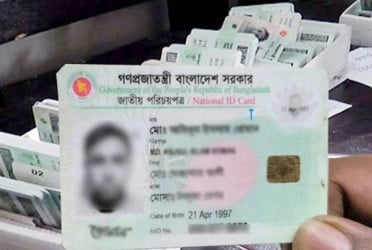
Young voters who have never been able to cast a ballot are now eager to exercise their right, but several challenges remain. A key issue is the accuracy of the voter list, which reportedly contains many errors due to negligence during verification. Without correcting this, a fair election is impossible.
The Election Commission’s voter verification teams were supposed to go door-to-door to verify the voter list. However, there are allegations that in many cases, they updated the list without visiting households. Because of this negligence, many eligible voters have been left out, while many ineligible names remain on the list.
The Election Commission has said that those who were left out can go to the commission office to have their names added. But given Bangladesh’s social context, it is questionable how realistic that is. Are people really so aware and proactive that they will visit the Election Commission office on their own to get listed? The time and procedures involved make it difficult for many.
There is still time to send inspection teams door-to-door to update the voter list properly. With a flawed voter list, a free and fair election cannot be expected in any way.
Another unresolved question is under what government the election will be held. Although Bangladesh’s most credible polls (1991, 1996, 2001, 2008) were held under caretaker governments, that system was abolished in 2011. The Supreme Court has since deemed that abolition illegal, but it has not yet been reinstated—making a caretaker-led election unlikely, despite most parties wanting one.
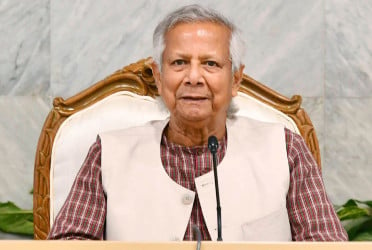
The interim government, led by Dr Muhammad Yunus, faces questions over some advisers’ political ties, which may affect the election’s credibility. A proposed solution is to keep Dr Yunus as chief adviser but include several neutral, widely acceptable figures—forming a de facto caretaker government with Supreme Court endorsement.
Money politics remains another major problem: elections have become dominated by wealth and influence, sidelining genuine politicians. Businessmen and bureaucrats dominate parliament, often spending vast sums to secure nominations. They have no connection with grassroots activists or ordinary people. Before the election, they spend illicit money to secure party nominations and take part in the polls. In the last National Parliament, more than two-thirds of the members were businessmen or industrialists. The country’s current economic distress is partly due to these businessmen and industrialists who joined politics. In the last parliamentary election, some top leaders of political parties were accused of taking illegal payments in exchange for party nominations. This is totally unacceptable.
Parties are urged to prioritize dedicated grassroots leaders instead.
Furthermore, many candidates, even if they are not businessmen, spend huge amounts of money on election campaigns. This disrupts the balance among contenders — those with less financial means fall behind in campaigning and eventually are forced to withdraw from the race.
To ensure a level playing field, campaign spending should be regulated—perhaps through government-organized public platforms for candidates to present their agendas. Retired bureaucrats could be barred from contesting for five years unless they surrender pension benefits.
Voters, as the true owners of the state, must act responsibly. They should vote for candidates based on character and integrity, not party loyalty, remembering that electing corrupt individuals makes them complicit in corruption.
Other reforms proposed include limiting candidates to one constituency, as multiple-seat contests waste public funds through by-elections. Law and order must remain stable, and controversial officials should not be assigned election duties.
Ultimately, only a transparent, corruption-free, and violence-free election can restore public trust and strengthen democracy.
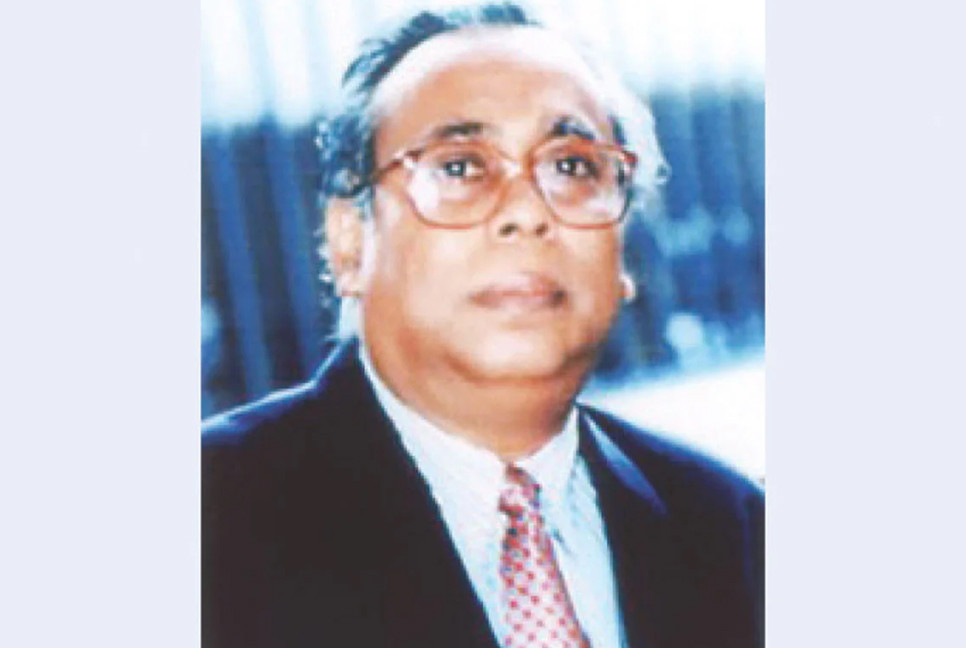
The writer is a former vice chancellor of Dhaka University.