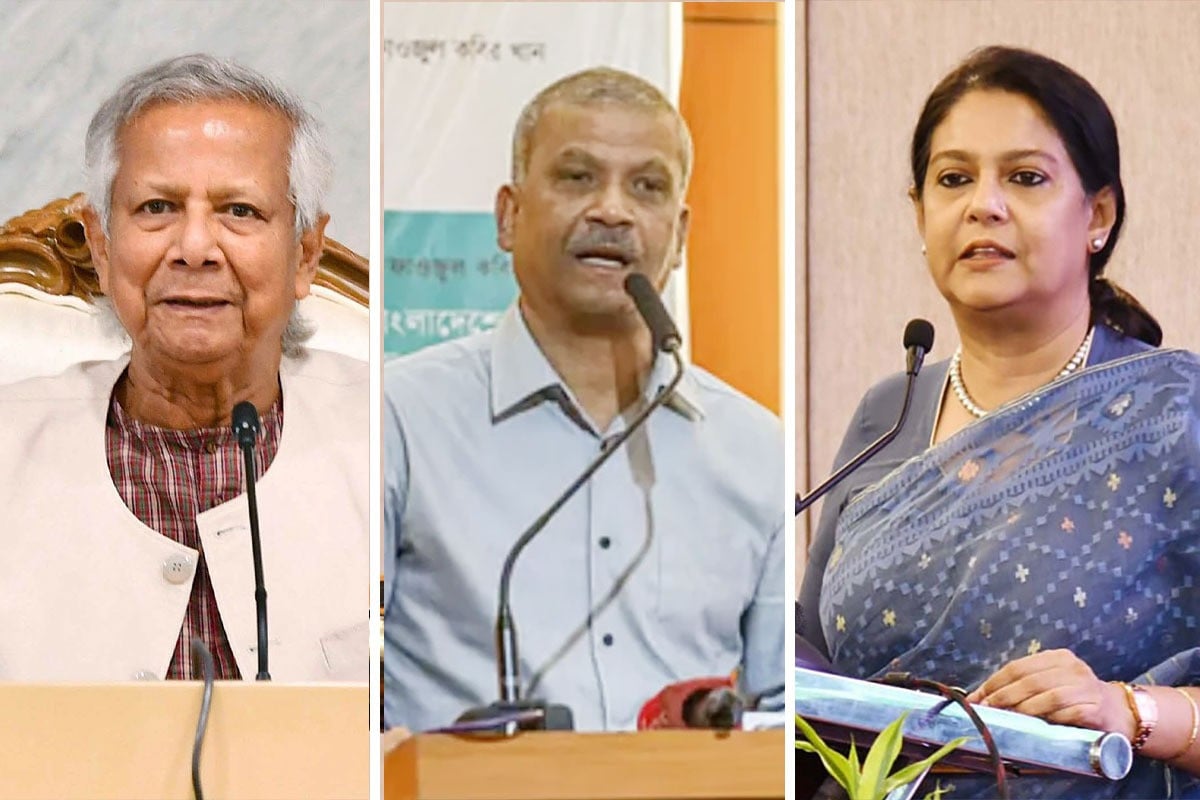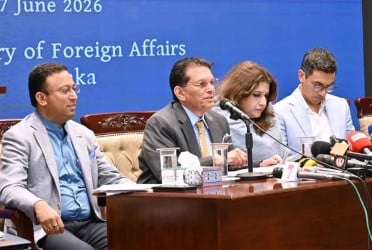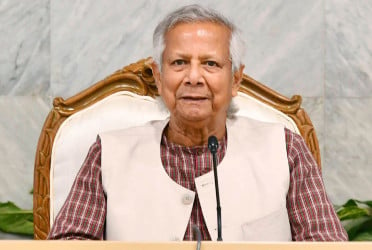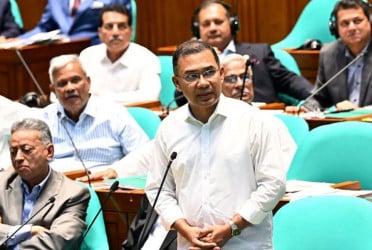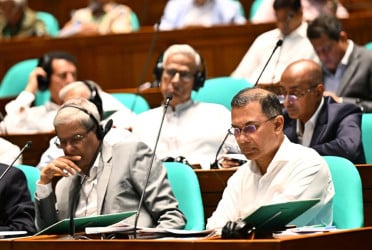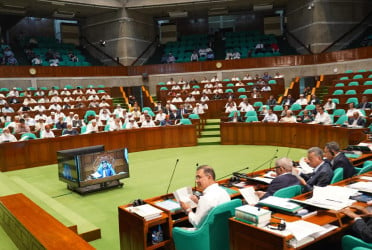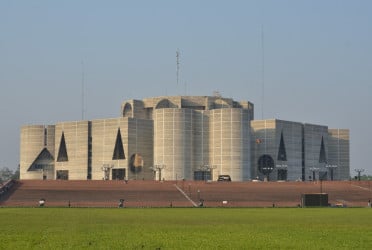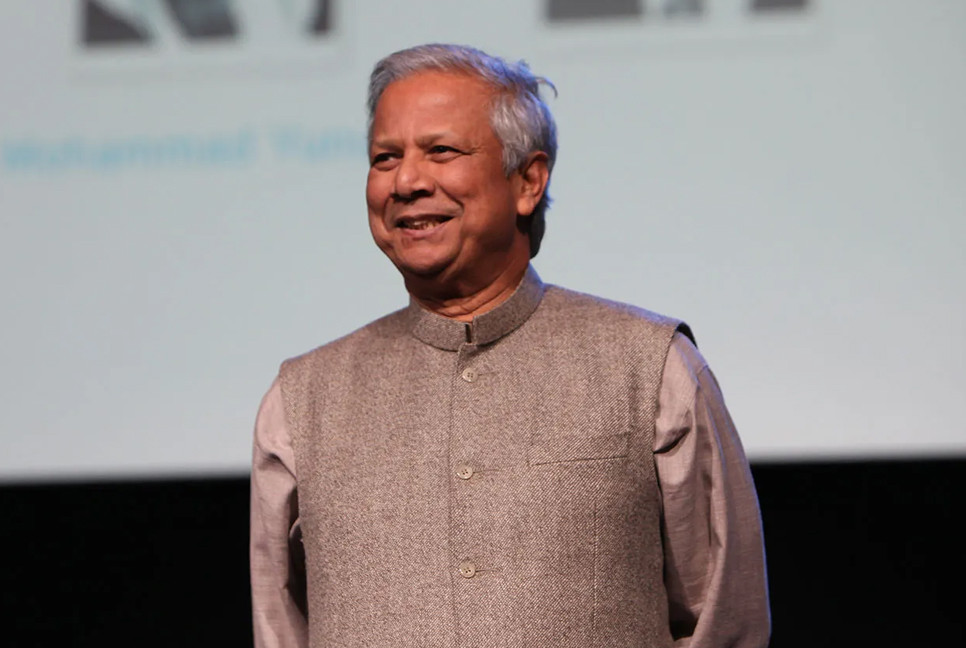
On 17 October, political parties are expected to sign the July National Charter 2025. On Thursday evening, the National Consensus Commission announced in a press release that the signing ceremony will take place at the South Plaza of the National Parliament, led by Interim Government’s Chief Adviser and Consensus Commission Chairman Prof Muhammad Yunus and attended by representatives of various political parties and alliances.The decision was finalised at a meeting of the commission held at its office in the Parliament Building.
However, uncertainty remains over whether all parties will sign, as no final decision has been made regarding its implementation. Despite a year of discussions, the National Consensus Commission has not been able to bring all groups under one umbrella.
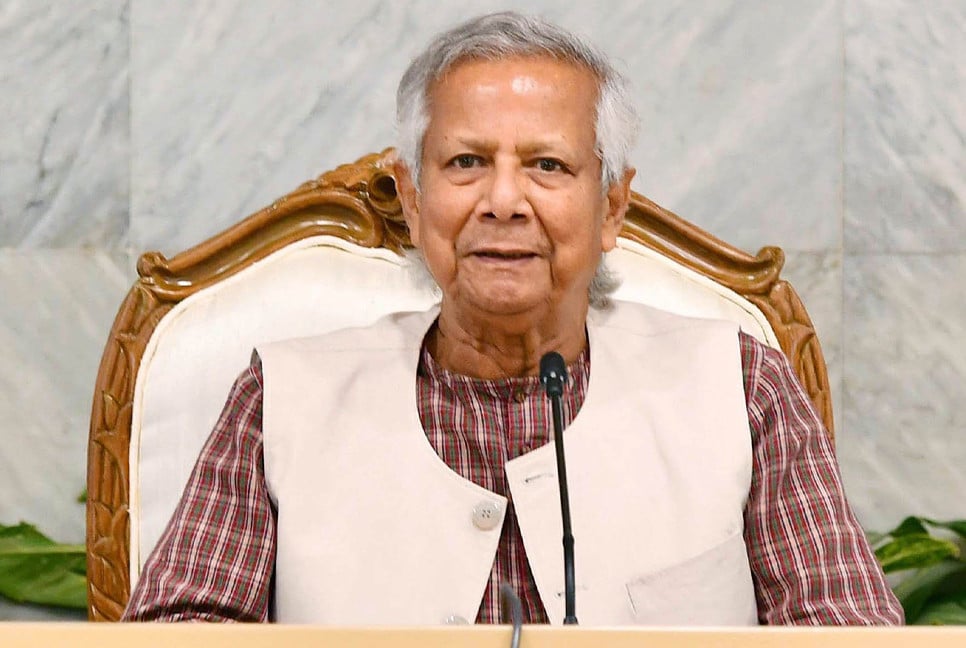
In a divided political climate, only Prof Yunus appears capable of uniting all sides to sign the July Charter and guiding the country toward elections through trust and dialogue. Many of the forces behind the July uprising have lost faith in the advisers and begun to doubt one another, but all parties still agree on one thing: their trust the chief adviser. He is widely respected, above controversy, and seen as a national guardian, which is why the commission has tasked him with finalising the charter. Whenever commission meetings have reached a deadlock, it has been Prof Yunus who stepped in, clarified the issues, and helped the parties reach compromise on most reform proposals.
The National Consensus Commission was launched on 15 February to build agreement on reforms across various sectors of the state. In two rounds of discussions with political parties, the Commission reached consensus on 84 proposals, though differences remain on some. These form the basis of the July National Charter.
In the first phase, 33 parties participated in the discussions; in the second, 30 more joined. However, after five days of discussions on constitutional reform, no agreement was reached on how the proposals should be implemented.
On Wednesday night, faced with this continued impasse, the commission decided to recommend strategies to the government by incorporating the views of both experts and political groups.
Still, the Commission has yet to finalize how the Charter will be carried out. While most parties agree on holding a referendum, differences remain over its foundation, timing, and procedure. As a result, it is still unclear whether all parties will ultimately sign. Party representatives have said they want to see the final recommendations, especially on the timing of the referendum and the disputed issues, before making a decision. Despite these disagreements, the Commission is prioritizing the referendum, based on the recommendations of a panel of retired judges, academics, and lawyers. The timing will be left to the interim government.
Essentially, the responsibility for resolving the stalemate now rests on the chief adviser; the future election and democratic transition depend on how its management. In his address to the nation on 5 August, the chief adviser announced that the national election will be formally declared in the first half of February next year. Since then, he has reiterated that there is no alternative to holding elections in February. The international community has echoed this urgent commitment towards democracy, and the public eagerly awaits the polls.
For 14 months, the country has been trapped in uncertainty. Law and order have deteriorated. Mob violence has risen exponentially. The economy is in distress. Investment has stalled, jobs have disappeared, and hundreds of thousands are newly unemployed. Industrialists and businesspeople face constant harassment. There is broad agreement that the interim government cannot address these problems alone. Only an elected government, with a mandate and plan, can lead the country out of this crisis. No nation wants lasting ties with a temporary administration.
The chief adviser is well aware of this, which is why he has made the election his top priority. If all parties sign the July charter, Bangladesh can move forward. If the election is delayed, the consequences could be severe.
Last Friday, BNP Secretary General Mirza Fakhrul Islam Alamgir warned that if elections are not held in February, they may never happen – that occurs, Bangladesh will enter a dark tunnel from which there may be no return.
At this crucial moment, the country looks to Prof Yunus, the last source of hope and trust.
Audite Karim is a writer and playwright.Email: [email protected]