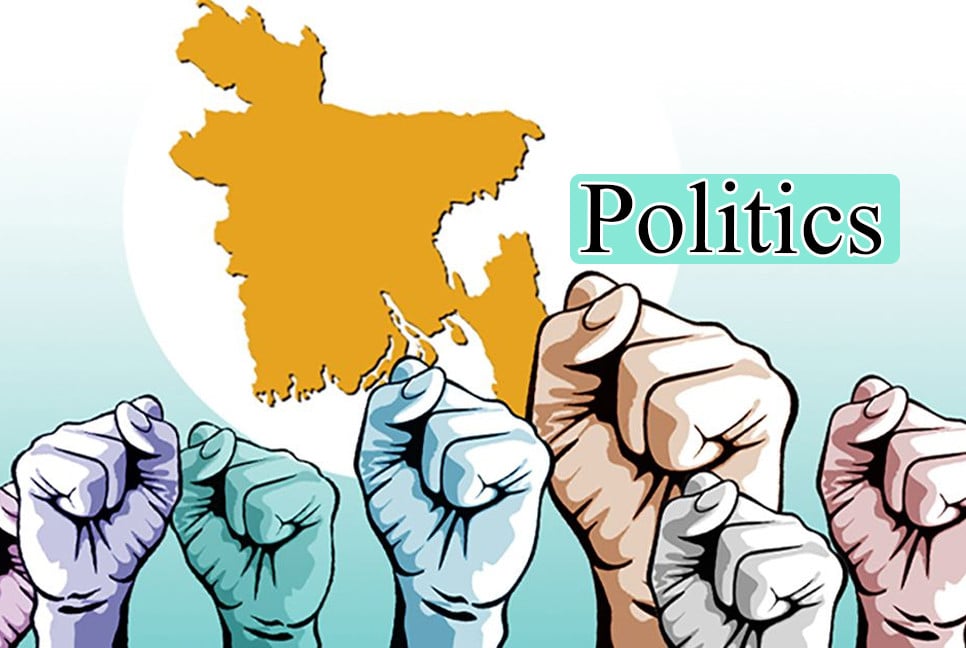
The political atmosphere in Bangladesh has darkened once again as uncertainty grows over the timing of the next parliamentary election, leaving many politicians and citizens anxious about the days ahead.
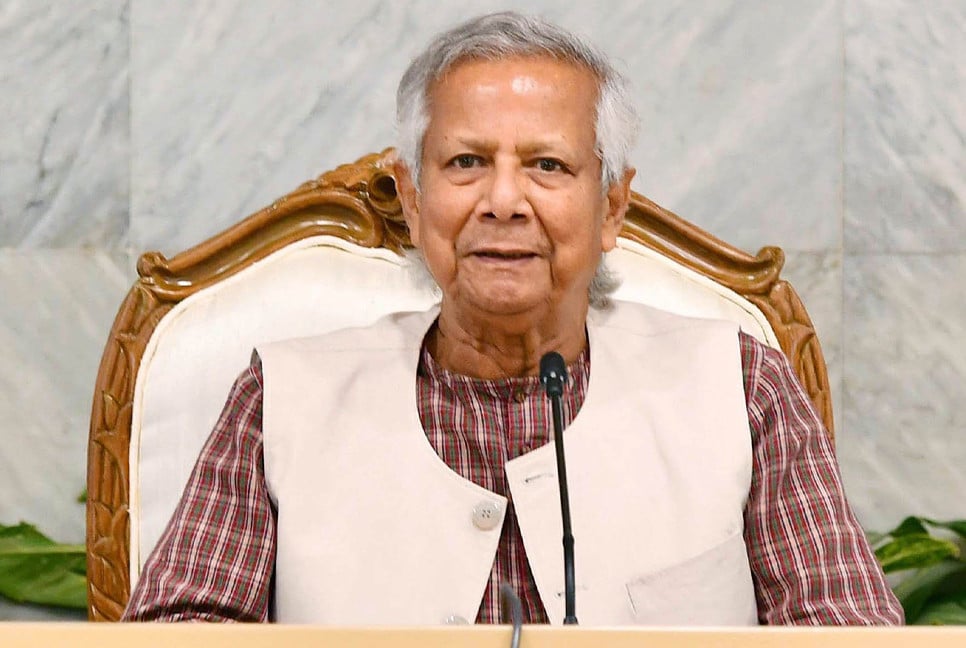
Although the interim government led by Prof Muhammad Yunus is preparing to sign the much-discussed July Charter on state reform, the absence of a final political consensus on the timing of a referendum has clouded hopes for stability.
The BNP has welcomed the government’s initiative to sign the charter, but differing views – particularly from Bangladesh Jamaat-e-Islami and a few smaller parties insisting on a referendum and an election based on proportional representation (PR) – have made the country’s political future uncertain.
BNP’s Secretary General Mirza Fakhrul Islam Alamgir, on Friday, said, “We want to make it clear that the election will be held at the time set by our leader Tarique Rahman and Chief Adviser Muhammad Yunus in June after discussion among themselves. Otherwise, the election will not take place.”
Talking to the media, BNP’s Standing Committee Member Selima Rahman said, “July Charter has not been signed yet. Let the signing happen first and then see what happens. Numerous conspiracies are being hatched to delay the national polls.”
However, some other parties remain divided over topics such as when to hold the proposed referendum and whether to sign the charter at all. The charter is scheduled to be signed on 15 October.
Ayub Miah, member of National Consensus Commission (NCC), told the media, “The July Charter implementation process, including the referendum, is on the government. We’ll submit our report. The government will decide the timing of the referendum.”
The NCC expects representatives from all political parties and alliances that took part in reform discussions to attend the signing ceremony.
Most political parties, including the BNP, agree that the referendum on the implementation method of the July Charter could take place on the same day as the national election. However, three to four parties, including Jamaat, are demanding that it be held beforehand.
BNP Senior Joint Secretary General Ruhul Kabir Rizvi, on Friday, said his party viewed the upcoming signing of the July Charter positively. He expressed hope that consensus could still be reached before 15 October.
“If any party believes in democracy, it is possible to reach a rational conclusion through discussion. We are optimistic that there will be a positive political agreement on the July Charter,” he said.
Meanwhile, Bangladesh Jamaat-e-Islami Secretary General Mia Golam Parwar said that a referendum should be organised to include the PR method in the July Charter.
As part of their ongoing campaign, Jamaat’s Dhaka north and south city units jointly held a protest rally at the south gate of Baitul Mukarram Mosque on Friday, demanding the implementation of their five-point agenda, including elections under the July National Charter and through the PR system.
Jamaat Assistant Secretary General AHM Hamidur Rahman Azad told the media, “We are yet to get formal invitation from the government. We will join the July Charter signing ceremony once we get the invitation.”
Asked if Jamaat would boycott the national polls without a PR system, he said, “The government is yet to declare about the mode of polls. We expect the government arrange the election in the PR system. We will take our next decision after the government’s announcement.”
Meanwhile, political analysts warned that if anti-fascist parties fail to unite over the July Charter, the national election could be delayed, potentially pushing the country into renewed instability.
They also cautioned that further unrest could allow “fallen fascist forces” to re-enter the political arena and destabilise Bangladesh.
BNP Vice Chairman Shamsuzzaman Dudu voiced concern that the situation could become “dire” if the national election is not held by February.
He said, “We want to believe that the election will be held by February. Otherwise, there is a terrible force working in the neighbouring country and hatching conspiracy against our state as the fallen autocrat Sheikh Hasina is staying there.”
Prof Yunus met BNP’s acting chairman Tarique Rahman in London in June, where they agreed that the national election would be held before Ramadan or by the first half of February next year.
Both Prof Yunus and Chief Election Commissioner AMM Nasir Uddin have since confirmed that the national election will take place in February 2026. The Election Commission has already begun necessary preparations to ensure it is held on time.
People from various professions across the country told media that they were anxious about the consequences if the election was delayed.
“We are worried what will happen if election is not held in February,” said Sanam, a private jobholder.
Khaleque Hossain, a fruit trader, said business has slowed. “Now, we are waiting for an elected government for the country’s stability.”
Prof Dr Sabbir Ahmed of the Political Science Department at Dhaka University said, “If election is delayed due to division among the antifascist parties then the fallen fascist may take chance to return to the political field.”
Courtesy: Daily Sun.
Bd-pratidin English/TR