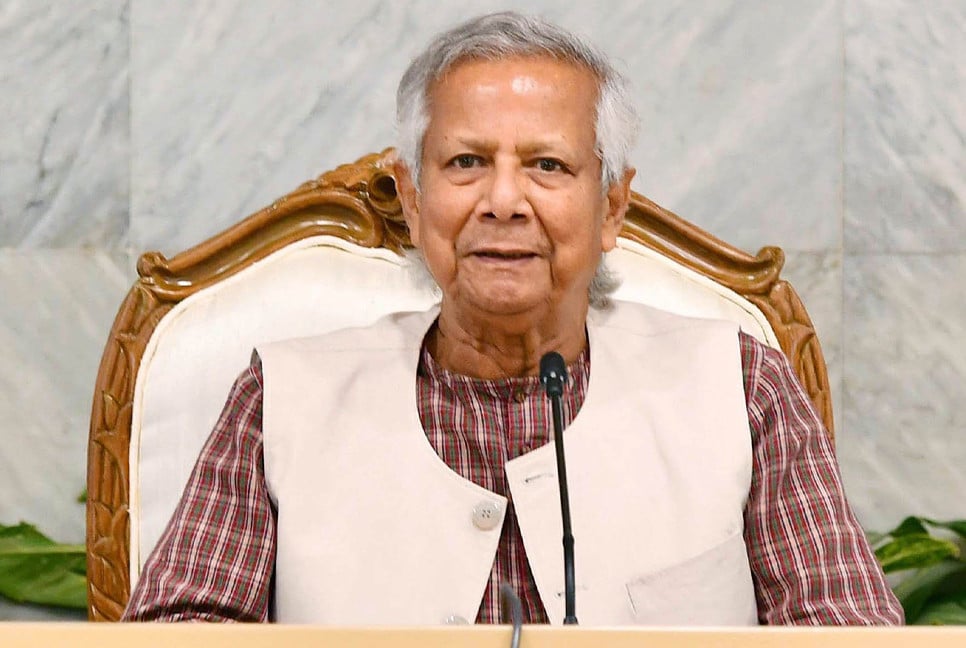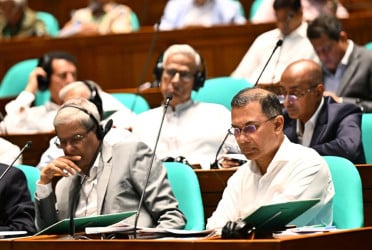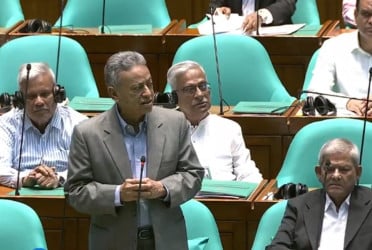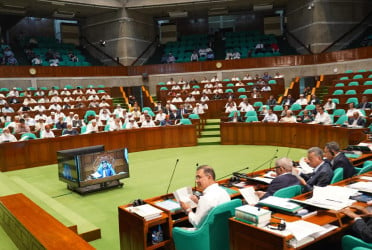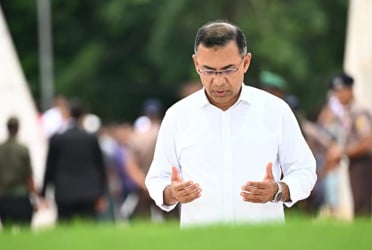
The national parliamentary election is now just three months away as per the timeline announced by the Chief Adviser. Holding the election is one of the major priorities of the interim government. The Chief Adviser has reiterated several times that the polls will take place by mid-February next year. With that timeline in view, the country’s political scene has become increasingly election-focused, as potential candidates have begun organizing rallies and engaging in grassroots outreach across their constituencies.
At such a critical moment, Nahid Islam, the convener of the National Citizen Party (NCP) and former information adviser, said, “Many of the advisers have established liaisons with various political parties. They are now thinking about their own safe exit.”
Nahid Islam’s remarks instantly heated up the political arena. The issue sparked widespread debate on television talk shows and social media. Political parties are discussing his comments among themselves, and even within the government there is much discussion. Alongside these discussions, many have expressed concern over the upcoming election. Their reasoning: Nahid Islam was once an insider in the government. Although he later left, he still maintains close ties with those connected to the administration. Therefore, when such comments come from him, they naturally carry weight.
In his interview, Nahid Islam further said, “Many of the advisers have made liaisons with different political parties. They are thinking about their own safe exits. We are already paying the price for this and will continue to do so. But if they had believed that their appointing authority was the power of the mass uprising—the ordinary people who took to the streets, gave their lives, and were injured—and if they had trusted those people, such deviation would not have happened.”
Following Nahid Islam’s remarks, the NCP’s chief organizer for the northern region, Sarzis Alam, made even harsher comments on the same issue yesterday. He said, “We have seen among some advisers that they are performing their duties halfheartedly, thinking only about securing their exit through the election—whether they stay in the country or abroad. But a government formed after a mass uprising cannot function on such a negligent attitude. They are in power standing on the blood of martyrs. If they act like this, they will not be able to face the people of this country. For those who think this way, there is no safe exit except death. No matter where they go, Bangladeshis will find them.”
The NCP has claimed that the interim government has failed to meet public expectations. The party has also accused several advisers of financial irregularities. Their disappointment with the government’s performance led to the discussion of “safe exit,” the party said in its explanation.
Meanwhile, other political parties supporting the current government have also expressed frustration over the remarks made by some advisers. They said that some advisers might want to prolong their stay in power and are therefore trying to disrupt the election process while ensuring their own safety.
A similar observation came from political scientist Professor Nurul Amin Bepari. He said, “The Yunus government has made many mistakes. Because of these mistakes, the people did not receive the fruits of the 2024 mass uprising. That is why the issue of advisers’ safe exit is now being discussed.”
Professor Bepari added that Nahid Islam’s remarks reflect the sentiment of the people. He told Bangladesh Pratidin, “Chief Adviser Yunus is personally the most popular figure. But he made a huge mistake by not including experienced and neutral politicians in his government. Instead, he brought in NGO personalities and World Bank people—those who have always looked after their own interests with foreign funds. He also gave undue importance to regional figures. From someone like him, this was not expected.”
When asked why the issue of “safe exit” has suddenly become a topic of political discussion, NCP’s joint convener Javed Rasin said, “This government was formed after a mass uprising. Therefore, it is essentially a people’s government. The advisers were expected to play a strong role in reforms, justice, and public welfare, but they have failed to do so. When the Chief Adviser announced the election roadmap, the entire administration seemed to freeze, and the advisers became indifferent. They have not fulfilled the expectations the people had of them.”
On the same issue, Revolutionary Workers Party general secretary Saiful Haque said, “The main reason behind the safe-exit discussion seems to be the advisers’ incoherent statements. Adviser Mahfuz Alam opened this Pandora’s box. I think people like Nahid expected certain advisers to work in a specific way, but that didn’t happen. Initially, the NCP had good coordination with the government, but later differences emerged. In character, this government is supposed to be non-partisan, which is why we have supported it. But now, by appearing to favor one or two parties, the government has lost its neutrality. This could create public concern about the upcoming election.”
Bd-pratidin English/TR