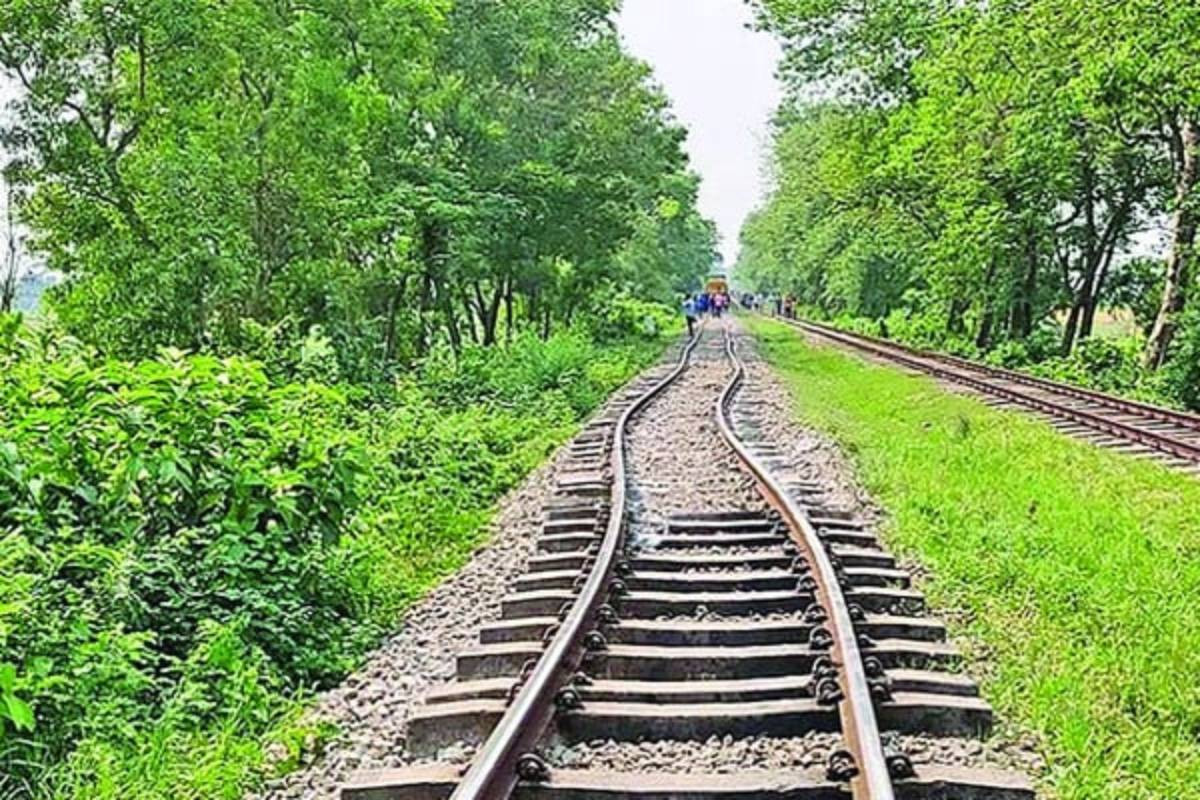
Bangladesh Railway, once a symbol of reliable and affordable public transport, is facing an escalating crisis. In the past three months alone, 30 train derailments have been recorded across 39 districts, shaking public confidence in the system and revealing a web of underlying issues—aging infrastructure, inadequate maintenance, and outdated equipment.
Out of the country’s 64 districts, 43 are connected to the railway network. Among them, 39 are currently grappling with operational problems. According to railway officials, many of these derailments stem from a lack of proper track ballast (crushed stones), worn-out fish plates dating back to the British colonial era, and the deteriorating condition of locomotives and coaches. These technical shortcomings, left unaddressed for years, have now reached a critical point.
The impact on passengers has been severe. On September 29, the Panchagarh Express derailed at Bhangura station in Pabna at around 5 a.m., suspending rail communication between Dhaka and the northern districts for several hours. Hundreds of passengers were stranded along the route, waiting for a rescue train from Ishwardi, which reached the site at 7:30 a.m. and began clearing the wreckage.
Earlier, on September 9, a bogie of the Kurigram Express power car derailed near Akkelpur in Joypurhat around 4:40 a.m. The derailment brought train movement to a halt for more than five hours. After emergency recovery work, the train continued its journey to Joypurhat station, leaving behind the damaged and several rear bogies.
On September 6, the Karnaphuli Express derailed at Brahmanbaria's Collegepara level crossing area, suspending traffic on both the Dhaka–Chattogram and Dhaka–Sylhet routes. The disruption created long delays and cancellations across multiple services. Just a few days earlier, on August 23, a passenger train went off the tracks near Dhaka Airport station, halting train movement for more than four hours. A day later, a local train from Chapainawabganj to Ishwardi detached a coach in Rajshahi and was only able to retrieve it four hours later.
According to an internal analysis of railway records, the problem is widespread. In the eastern zone, districts such as Chattogram, Feni, Cumilla, Chandpur, Noakhali, Brahmanbaria, Kishoreganj, Narsingdi, Gazipur, Sylhet, Moulvibazar, Sunamganj, Habiganj, Mymensingh, Jamalpur, and Dhaka are all facing operational complications. The situation is equally dire in parts of Chattogram City Corporation, Mirsarai, Feni, Ashuganj, Tongi, and other municipalities where maintenance work has lagged behind for years.
In the western zone, the condition of approximately 1,200 kilometers of rail lines is considered poor. These tracks span across 23 districts in the Rajshahi, Rangpur, Khulna, and parts of Dhaka divisions, including areas like Sirajganj, Pabna, Rajshahi, Bogura, Joypurhat, Dinajpur, Rangpur, Khulna, and Kushtia. These routes serve tens of thousands of passengers daily, making the deteriorating infrastructure a serious national concern.
Adviser to the Ministry of Railways, Muhammad Fawzul Kabir Khan, admitted to flaws in past planning. He stated that many projects implemented in previous years lacked clear vision and purpose. However, he emphasized that the government is now taking a more strategic and planned approach to modernizing the railway system, expressing hope that “the crisis will pass.”
While the railway remains an affordable and essential mode of transportation for millions in Bangladesh, the recent wave of derailments has eroded public trust and highlighted the urgent need for systemic reform. Without immediate investment in track upgrades, rolling stock replacements, and safety improvements, experts warn that the crisis may deepen—putting both passengers and the future of the railways at risk.
Bd-pratidin English/ Jisan