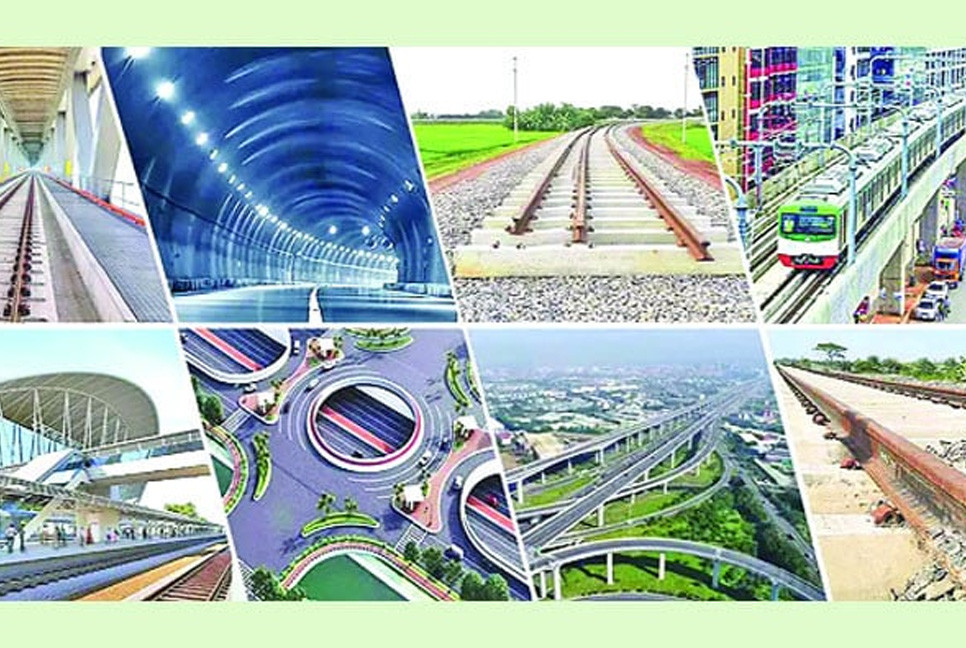
Mega projects that once promised development have now become a burden, as dozens of initiatives undertaken with borrowed funds are progressing slowly, making their expected benefits increasingly elusive.
A project originally planned for five years remains incomplete even after thirteen years, with deadlines repeatedly extended and costs steadily rising.
Because of delays in completion, millions of dollars are being paid as penalties in the form of commitment fees. At the same time, inflation and fluctuations in currency exchange rates are increasing loan costs, ultimately reducing the actual funds available from borrowed money.
Owing to sluggish implementation, creditors are beginning to lose confidence in several mega projects, with some development partners even considering reallocating loan funds to other initiatives.
According to sources at the Economic Relations Division (ERD), at least 65 development projects—worth over Tk 2 lakh crore (more than 2 trillion BDT)—have been flagged for slow progress. Some of these projects have failed to utilize even 10 percent of their allocated loans in the past decade.
The Asian Development Bank (ADB) has singled out at least 16 underperforming projects it finances, describing them as a persistent concern for the government. The ADB has warned that unless implementation accelerates, it will divert funds to more effective ventures.
The future of these projects is expected to come under scrutiny at the upcoming Tripartite Project Review Meeting (TPRM), scheduled to take place in Dhaka on September 30.
Meanwhile, the government has already shifted over $810 million from various less critical World Bank (WB)–funded projects to other priority programs, underscoring the growing pressure to ensure efficient use of borrowed resources.
An ERD official said that development projects worth around $11 billion, financed by the ADB, are currently awaiting reassessment. Many of these initiatives have been classified as ‘problematic’ and ‘slow-moving’.
Among them, 16 particularly sluggish projects will receive priority review at the upcoming TPRM. In addition, the progress of nearly 70 ongoing projects in Bangladesh will also be assessed.
The future of projects involving the $11 billion in ADB financing is expected to be decided at the meeting.
Speaking to Bangladesh Pratidin, ERD Additional Secretary S M Jakaria Huq said, “The biannual meeting will include representatives from the ADB, ERD, and implementing agencies. The reasons behind the slow implementation of certain projects will be reviewed, and necessary corrective measures will be taken. There is no risk of funds being transferred to other projects.”
The official also assured that steps would be taken to accelerate progress.
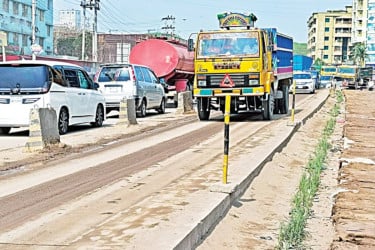
A review of documents has revealed that the tenure of several development projects has been extended as many as five times, with costs more than doubling in the process. One glaring example is the Gazipur–Airport Bus Rapid Transit (BRT) project, approved in 2012. Despite repeated revisions to its duration and cost, the 20.5-kilometer stretch remains incomplete even after 13 years.
On July 27, the 12th ECNEC meeting of the interim government considered the project’s fourth revised proposal, which sought to raise costs by 54.57 percent—an additional Tk 2,329 crore—bringing the total to Tk 6,597.32 crore, compared to the original Tk 2,039.84 crore. A proposal to extend the project period by another four years was also placed but was rejected by ECNEC.
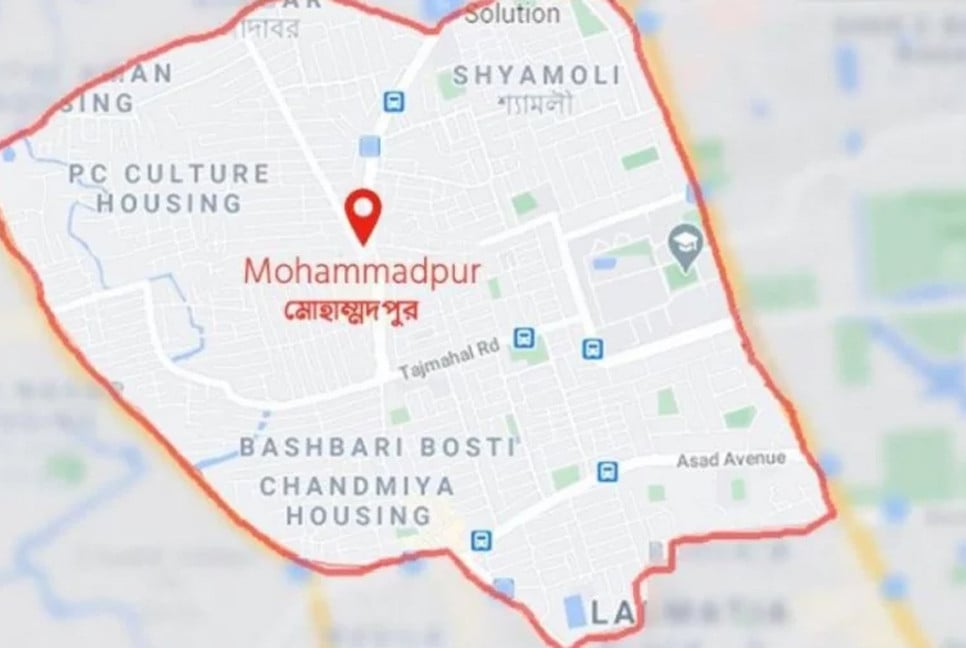
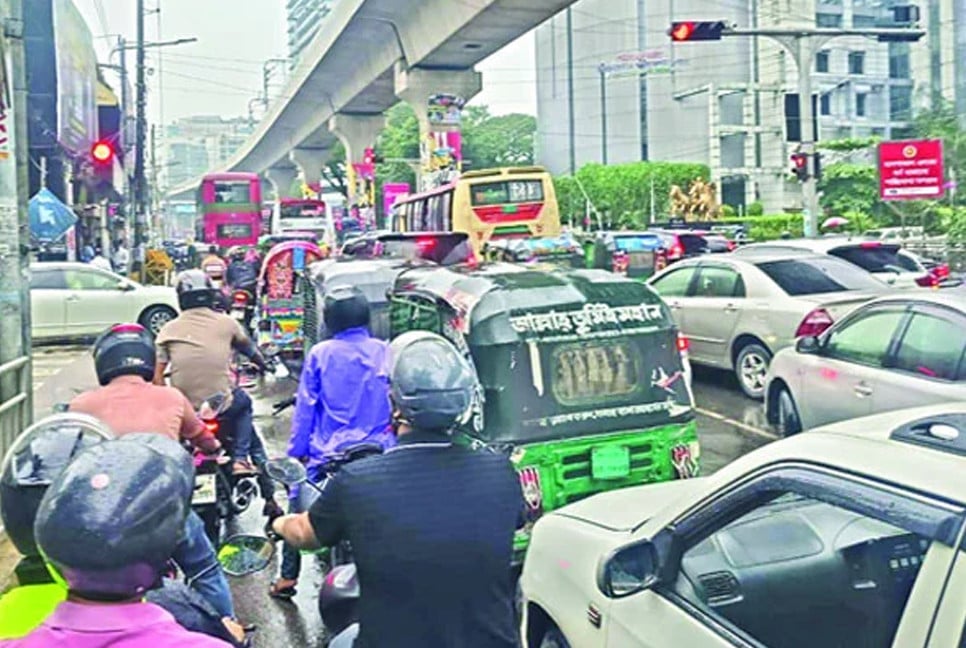
Instead, the meeting resolved to identify those responsible for the flawed planning, design, and feasibility study. Meanwhile, the unfinished project continues to cause immense suffering for residents of Tongi, who bear the brunt of prolonged construction delays.
Lenders have expressed dissatisfaction over the sluggish progress of nearly three dozen medium- and large-scale projects financed by the ADB and the WB. Among them are the Dohazari–Ramu–Cox’s Bazar Railway, Dhaka Mass Rapid Transit Line-5 (Southern Route), the South Asian Regional Economic Cooperation (SAREC) Dhaka–Northwest Corridor Road Project (Phase II, Tranche 3), the Surma Flood Control Dam Rehabilitation Project, the Chittagong–Dhaka–Ashuganj Multimodal Route Project, the Dhaka Environmentally Sustainable Water Supply Project, the Greater Dhaka Sustainable Urban Transport Project, and the Power System Efficiency Development Project, among others. Notably, some of these projects date back to as early as 2011, yet remain incomplete.
An ERD official admitted that several projects have become a major burden. They cannot be abandoned, yet continuing them has become increasingly difficult. These projects are weighing heavily on the country’s debt load. With prolonged delays, costs in many cases have more than doubled, while public suffering continues year after year. The slow pace has also led to hefty penalty payments, alongside a steady erosion in the real value of foreign loans.
For instance, the ADB approved $300 million for the Power System Efficiency Development Project in 2011, originally scheduled for completion in 2017. The six-year project has now stretched to 14 years, forcing Bangladesh to pay around $3 million in commitment charges alone. On top of that, delays have pushed up borrowing costs by roughly 3 percent due to inflation and exchange rate fluctuations, effectively reducing the loan’s value by at least $10 million.
According to the ERD, the ADB extended $2.52 billion in assistance to Bangladesh in fiscal year 2024–25. As of December 31, 2024, ADB’s support encompassed 740 public sector projects through loans, grants, and technical assistance, amounting to $33 billion. At present, ADB’s sovereign portfolio in Bangladesh includes 67 loans and three grants totaling $11.02 billion.
In the last TPRM, ADB cautioned that funds could be reallocated to other projects if implementation delays persisted. With this warning in view, the ERD is preparing for the upcoming meeting scheduled for September 30.
Translated by AM