Major exporting nations are increasingly entering into Free Trade Agreements (FTAs) with various countries to strengthen and maintain their dominance in global trade. At the same time, they benefit from Preferential Trade Agreements (PTAs), which provide additional leverage. In this scenario, the effectiveness of a country’s diplomacy or foreign policy plays a decisive role in determining how far it advances. Through these agreements, both sides gain unique advantages in their export activities.
Vietnam, one of Bangladesh’s main competitors in the ready-made garment (RMG) sector, has signed FTAs with more than 40 countries worldwide. Through these agreements, Vietnam has been capturing Bangladesh’s garment markets. Similarly, Cambodia, India, China, the Philippines, and many other countries are ensuring duty-free and barrier-free access for their products in various countries by signing FTAs and PTAs. Another rival, Turkey, has PTAs with 18 countries, while Bangladesh has long been lagging behind in this regard.
For more than 30 years, Bangladesh’s garment export sector has entered international markets by overcoming various challenges. So far, Bangladesh has signed only one PTA—with neighboring Bhutan. No other PTA or FTA has been concluded. These facts were revealed by the Office of the Chief Adviser.
Meanwhile, in November 2026, once Bangladesh exits the list of Least Developed Countries (LDCs), its export sector will face even greater challenges. However, in response to demands from businesses, the interim government is trying to push back this LDC graduation deadline by another three to six years. In line with that, under the direction of the Office of the Chief Adviser, Bangladesh is set to sign an Economic Partnership Agreement (EPA) with Japan this December. This will be the first free trade agreement in Bangladesh’s history.
In addition, by November next year, the government plans to sign at least four more FTAs under various names with other countries. Bangladesh is also considering joining the Regional Comprehensive Economic Partnership (RCEP) to gain further trade benefits. However, since the current interim government is not elected, there is considerable uncertainty about whether a new government formed after the elections in February will follow the same policy. In Bangladesh, foreign policy often changes overnight with a change of government.
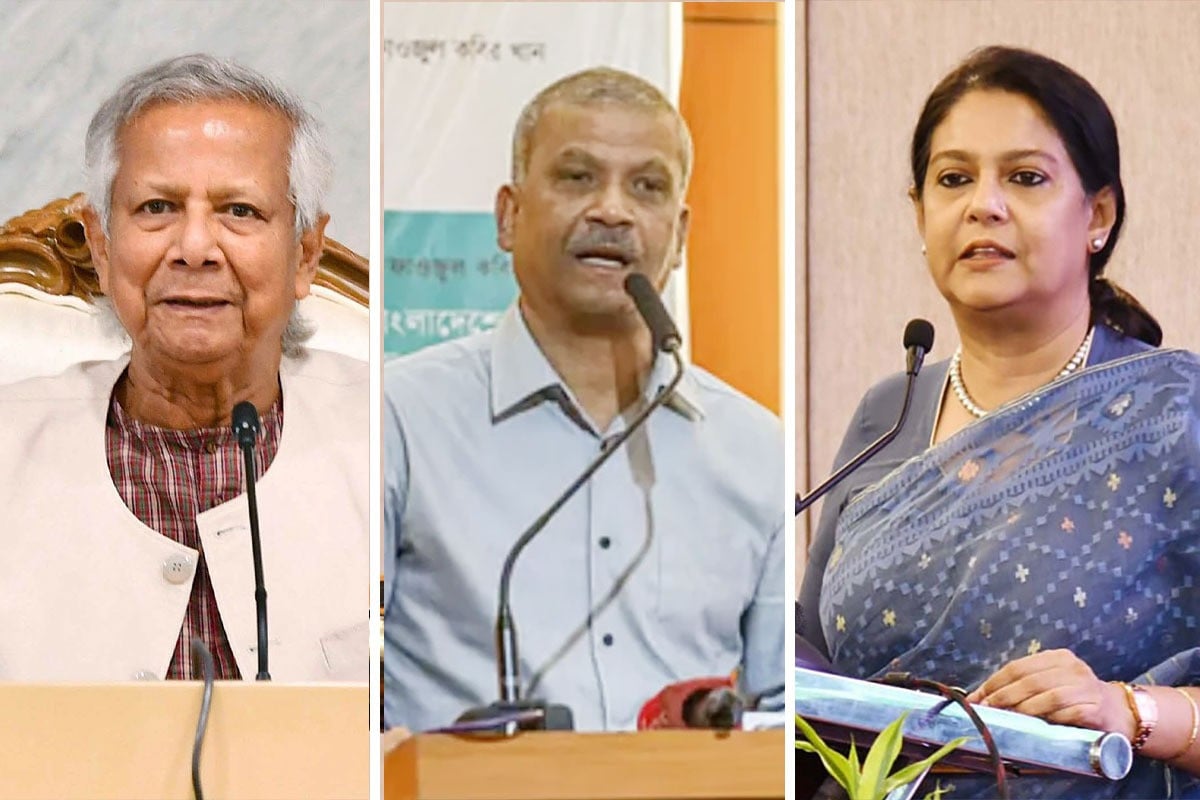
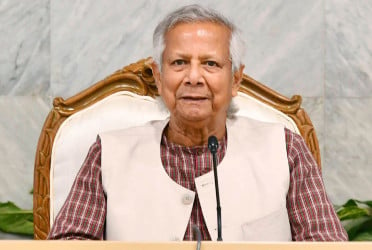
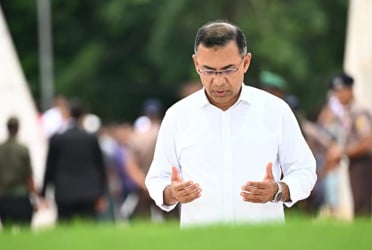
In this regard, Chief Adviser’s Press Secretary Shafiqul Alam said: “We must be prepared to take on challenges with the right mindset. We need to pursue FTAs with different countries through dialogue and negotiation. Otherwise, we will fall behind in export trade. Countries like Cambodia and Vietnam are overtaking us, while we continue to lag due to lack of capacity.”
Sources say Vietnam is Bangladesh’s main competitor in garment exports. Yet Vietnam has FTAs with the 27 EU countries, as well as with the United States, the United Kingdom, Japan, India, Chile, China, Singapore, Brunei, Belarus, Kazakhstan, Kyrgyzstan, and around 40 countries in total. Meanwhile, five rounds of negotiations for the Japan-Bangladesh Economic Partnership Agreement (EPA) have already been completed.
Officials from the Ministry of Commerce explained that FTAs and EPAs are quite similar. However, an EPA is broader, more development-oriented, and more liberal than an FTA. The latest round of negotiations was held in Tokyo from 3–13 September, where Bangladesh was represented by a delegation led by Commerce Secretary Mahbubur Rahman.
Ahead of the signing of the Japan-Bangladesh EPA, a joint study group report of the two countries was published in December 2023. It outlined frameworks in 17 sectors, including trade, customs procedures, trade facilitation, investment, and e-commerce. The identified sectors are: trade in goods, trade facilitation, measures to remove trade barriers, customs procedures and trade facilitation (CPTF), technical barriers to trade (TBT), trade in services, investment, e-commerce, government procurement, intellectual property, subsidies or state-owned enterprises, business environment improvement, labor, environment, transparency, cooperation, and dispute settlement.
Sources further revealed that, to address the challenges of LDC graduation and to preserve and expand export markets while ensuring duty-free access to various countries, the Ministry of Commerce has already adopted a policy of pursuing PTAs, FTAs, and EPAs with different countries and trade blocs. In continuation of this, the ministry is prioritizing negotiations with several countries and blocs to finalize Regional Trade Agreements (RTAs). As part of this process, by November next year the government aims to sign FTAs with at least four countries: South Korea, Singapore, Malaysia, and the United Arab Emirates.
In the next phase, the Ministry of Commerce’s list for potential FTAs also includes the United States, the European Union, Canada, China, Indonesia, Nepal, Sri Lanka, Brazil, Thailand, South Korea, Argentina, Australia, and Saudi Arabia.
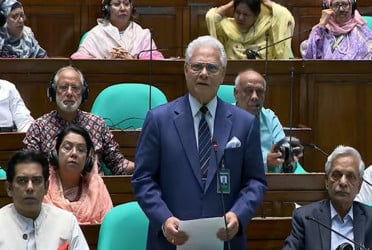
Commerce Secretary Mahbubur Rahman told Bangladesh Pratidin: “To tackle the challenges facing the export sector, initiatives have been taken to sign bilateral trade agreements such as EPAs and FTAs with several countries and blocs, including Korea, Malaysia, and Japan. The government aims to conclude such agreements with a number of countries before November 2026.”
Bd-Pratidin English/ AM