The number of fake information and rumors has increased alarmingly, most of which are spreading through social media. During any crisis, natural disaster, or economic downturn, rumors spread rapidly—fueling fear and anxiety, and acting as a catalyst for unrest among the public. Time is passing amidst efforts to counter rumors as well as navigating multiple crises and challenges.
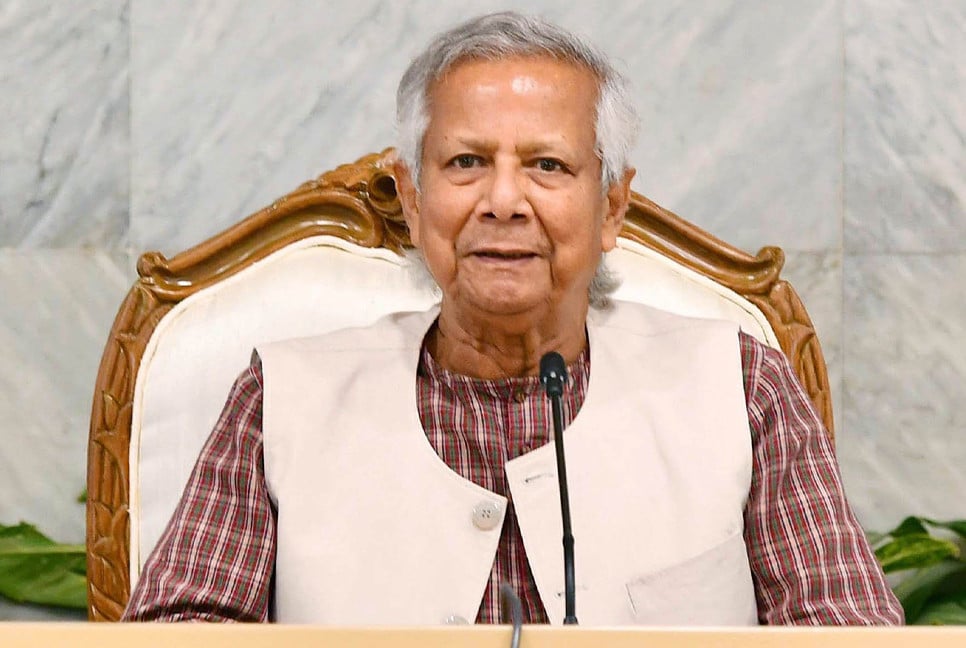
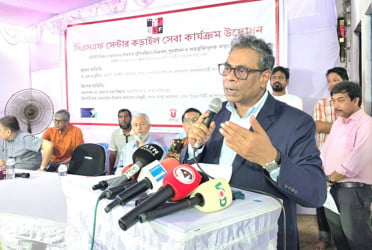
The Chief Adviser, urging everyone to remain cautious about rumors, said: “Always remember, we are in a state of war. ‘Rumor’ is the biggest weapon of the defeated forces against the July uprising. The moment you see a rumor, try to trace its source. Do not ignore it. Experienced military strategists are working day and night behind these rumors. Unlimited money is being deployed for this. Its main objective is to sabotage the July uprising. We will not let them succeed.”
Commenting that national unity is causing pain to the fugitive forces, he added: “They want to break this unity. You won’t even realize their novel tactics. Without knowing it, you might become a puppet in their game. Only with awareness and unity can we stop these rumors and foil the conspiracies of the fugitive evil forces.”
The fall and flight of fascist Sheikh Hasina during the July uprising was spearheaded by the country’s students. What began as a student movement against discrimination in quota reform soon merged with the accumulated grievances of the people under Hasina’s rule, transforming into a mass uprising. This generation, raised with technology, fought with determination and ousted Hasina from power. The Gen-Z movement in Bangladesh drew worldwide attention and remains a notable example.
This generation, growing up alongside technology, lives almost constantly in the virtual world. They can even be called virtual citizens. When state leaders fail to understand their mindset, explosions are inevitable. Although the Hasina government tried to suppress the 2024 mass movement by shutting down social media, it could not block the communication of tech-savvy Gen-Z. They connected through alternative platforms, continued their movement under guidance, and eventually brought down Hasina.
In the post-uprising period, social media has become even more significant. Many of the unpleasant incidents in the country over the past year have been linked to the misuse of this medium. Rumors have even put the government in embarrassing situations.
As the national election draws closer, leaders, activists, and supporters of political parties are increasingly mudslinging and smearing one another on social media. This is growing day by day. Though rumors and misinformation may cause temporary confusion, they usually do not last. People realize the truth eventually. However, suspicion and unease caused by such acts linger among some. Certain groups now aim to spread rumors to delay or derail the upcoming election. Whatever the case, rumors must be stopped. If this continues, the country will face major damage.
Now, people get instant news instantly through social media—whether it is fact-based or baseless. Some believe it, some do not. Journalism itself has changed with technology.
Mobile Journalism, or MoJo, has spread widely. An ordinary person can capture an incident instantly on a phone and circulate it on social media. Some deliberately exploit an issue by spreading fake information with ill intent, inciting people toward violence. Already, incidents such as mob violence, lynching, and communal attacks have been linked to provocations through false information on social media. Even on national issues, there have been recent instances where rumors were spread to embarrass the government. For example, a few days ago, rumors about the imposition of emergency were circulated by diverting the actual incident, ultimately forcing the government to issue a statement to put an end to the speculation.
Author: Former Member of Parliament