The country’s most anticipated Teesta River Comprehensive Management and Restoration Project (TRCMRP) is in limbo. In the first phase, Bangladesh sought $550 million from China. However, Beijing has not responded even after more than two months.
According to a finance ministry official, they sent a proposal to China in July. Since then, they have sent messages several times but have not received any reply.
According to sources, for the Bangladesh part of the Teesta River, the restructuring project would cost $747 million. Of this amount, $550 million was sought from China. The total cost of the project is set at $1.57 billion.
With technical assistance from China, the Bangladesh Water Development Board (BWDB) prepared the expenditure structure and work plan. Experts blamed India’s upstream control of the river’s flow as the main reason for the problem. They argue that this has put hundreds of thousands of people in Bangladesh in crisis regarding agriculture, fisheries, and livelihood.
Officials said that restoring the river’s flow is the only way to solve the crisis.
Recently, Chinese ambassador to Dhaka Yao Wen expressed his interest in investing in the Teesta project during a meeting with Foreign Secretary Asad Alam Siam. The envoy said that China is interested in the Teesta master plan and that an expert team would soon visit Bangladesh for an on-site inspection.
However, a senior official of the finance ministry warned that China has not given any official response yet. The investment cannot be confirmed until Beijing responds officially.
Bangladesh first requested funding from China for the Teesta project in March 2021. After two years, in March 2023, Beijing finally asked Dhaka to submit a Primary Development Project Proposal (PDPP). In the meantime, the Chinese company Power China has completed the feasibility study.
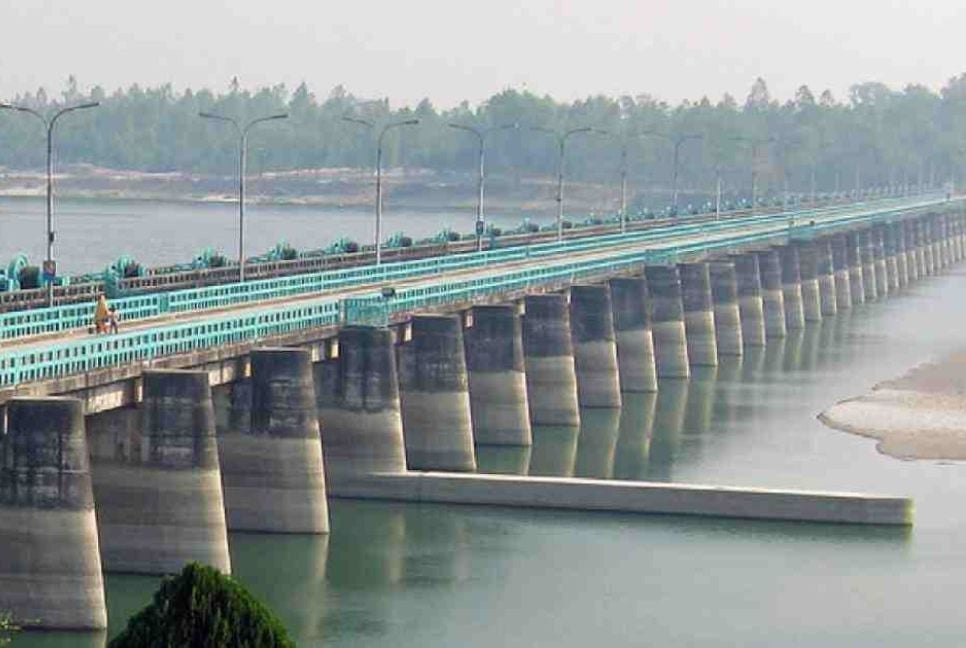
According to diplomatic sources, the project also carries geopolitical implications. Since the upstream part of the Teesta flows through India’s Sikkim and West Bengal, the project involves the interests of both India and China. Of the river’s total length of 414 kilometers, 305 kilometers flow through Sikkim and West Bengal, while 109 kilometers flow through Bangladesh’s Rangpur region before merging with the Jamuna in Phulchhari Upazila of Gaibandha.
In India, it is the largest river of Sikkim and the second largest in West Bengal after the Ganges.
If Chinese funding is secured, the first phase will include land acquisition, embankment construction, guard spurs, river dredging, and environmental and social impact assessment.
The second phase will involve flow control, flood management, development of waterways, establishment of a township, and livelihood restoration.
The government believes that implementing such a massive project is impossible without support from a global power like China. However, due to delays in financing, the project has become uncertain.
Expressing optimism, a finance ministry official said, “Teesta is a part of our life. Its restructuring is essential. We are hopeful that the world’s second largest economy will extend its support.”
(Translated and edited by Fariha Nowshin Chinika)