In the current economic reality of Bangladesh, the business community is passing through a critical juncture. On one hand, there is political instability; on the other, social unrest and a deterioration of law and order. Taken together, these factors have practically eliminated an investment-friendly environment in the country.
The present government does not fully meet genuine democratic standards. As a result, there exists no proper structure or mechanism for people or businesses to exert pressure on the government or to hold it accountable.
The level of governmental accountability that should exist in practice is absent. Consequently, the issues and demands raised by businesspeople are not receiving attention from the authorities.
At present, political and social unrest, weak law and order, and institutional fragility have created an unsafe and uncertain environment. In such a climate, both domestic and foreign investments are being obstructed.
Without social stability, conducting business becomes not only difficult but sometimes impossible.
In this reality, businesspeople’s distrust is growing, and they are gradually turning toward alternative markets or countries. This could pose a major threat to Bangladesh’s economy in the future.
If the government wants to overcome this crisis, the foremost need is to ensure genuine democratic practices and accountability. At the same time, maintaining law and order, ensuring administrative transparency, and implementing investment-friendly policies are urgent demands of the time.
If business concerns are not taken seriously, economic growth will not be sustainable; rather, it will gradually come to a halt.
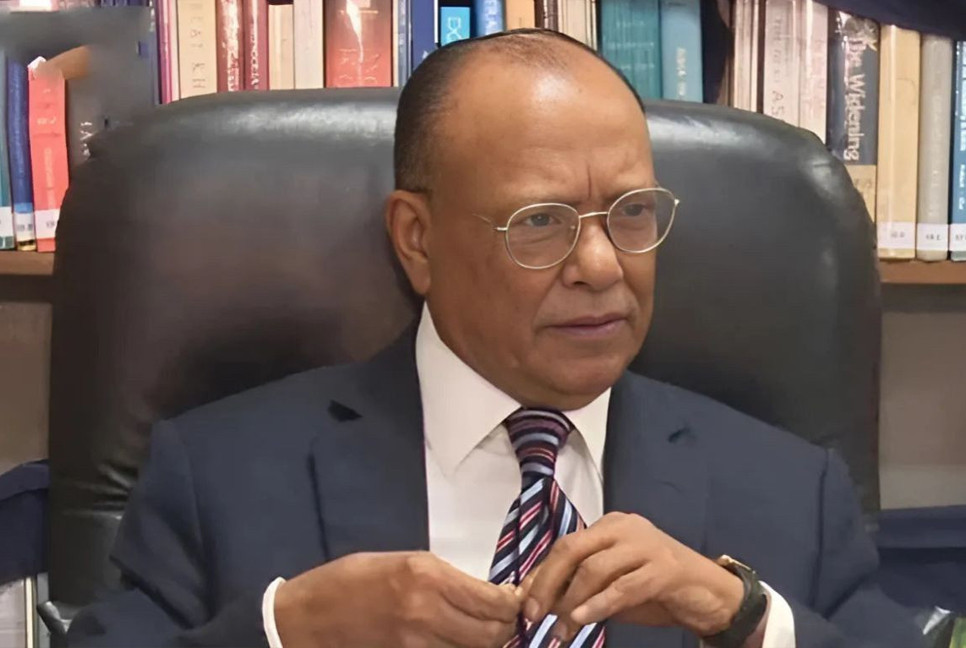
The writer is former president of FBCCI, distinguished businessman, and politician