Division among political parties over how to implement the July charter has raised fears of a new crisis in the country. In view of the deadlock created among political parties over the implementation method of the July charter, the term of the National Consensus Commission has been extended by another month. In this situation, the chief adviser is guiding the nation as the bearer of the people’s hopes and aspirations. If political parties can come to an agreement along the path he points out, then the July uprising will reach the desired harbor. If not, Bangladesh could once again fall into a state like “One-Eleven” – or even worse.
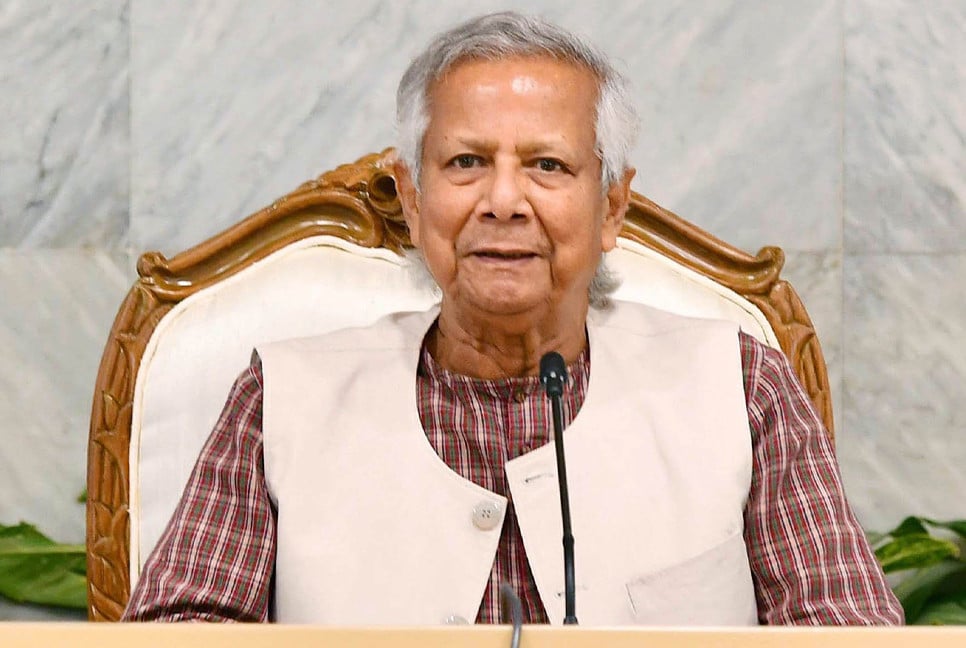
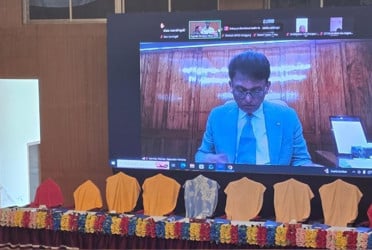
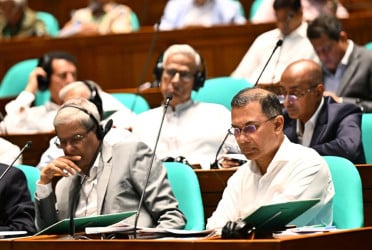
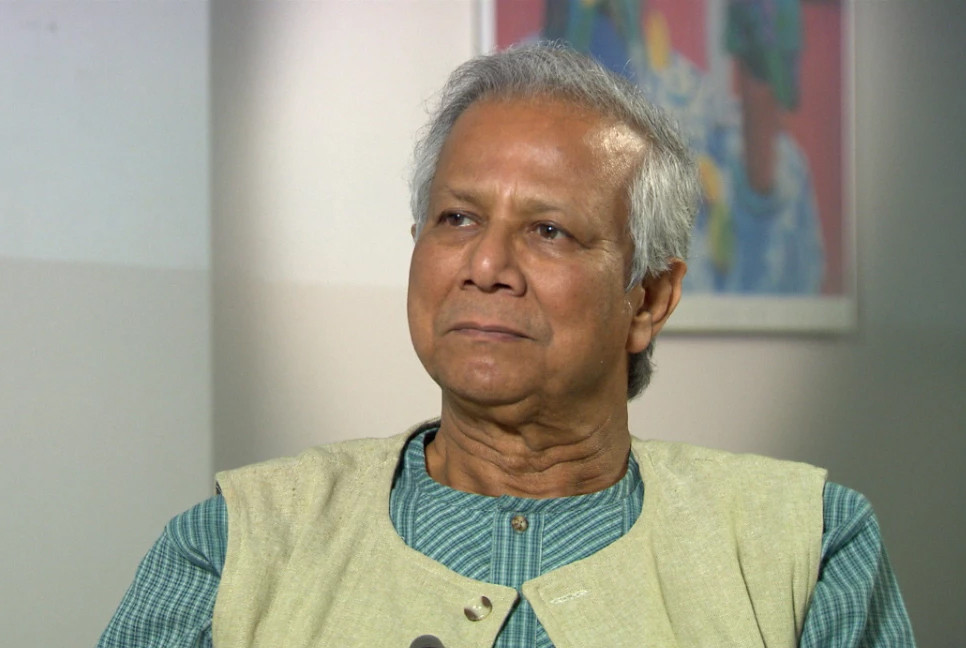
To protect the political parties and the country from this crisis, Prof Yunus attended last Sunday’s meeting of the National Consensus Commission.
In the Commission’s complex dialogue with political parties he gave policy-directive remarks. His speech is extremely important not only for the future of Bangladesh’s democracy but also for the liberation of the country’s people. Have the political parties understood the essence of the chief adviser’s remarks on the necessity of national unity and the indispensability of elections? If they have, that would be the best news of the moment. But judging by the visible behavior of political parties, it is clear that a large portion of them have failed to grasp the far-reaching significance of Prof Yunus’s statements. Even after the chief adviser’s remarks, several political parties, including Jamaat, have announced concurrent protest programmers to press their demands.
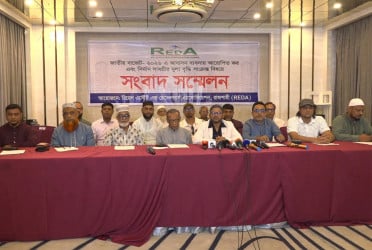
Jamaat-e-Islami and like-minded Islamic parties have launched simultaneous movements around five demands: make the July genocide trials visible, create a level playing field in elections, try fascism and its collaborators, and so on. As part of this, on Monday Bangladesh Jamaat-e-Islami, Islami Andolan Bangladesh, and Khelafat Majlish announced programmes. The schedule includes a rally and protest march in Dhaka on 18 September, protest marches in all divisional cities on 19 September, and protest marches in all district and upazila centres on 26 September. Earlier, on Sunday, Bangladesh Khelafat Majlish announced the same programme.
The question is: while discussions over implementing the July charter are ongoing, won’t this programme complicate those discussions?
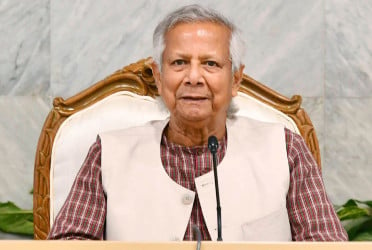
Before seeking the answer, we need to know what the chief adviser said in last Sunday’s dialogue with political parties. Prof Yunus said, “In the first half of February there will be an election festival and the nation will experience a true rebirth. This is not merely an election; it is a rebirth. So much sacrifice, blood and self-sacrifice will be worthwhile if we can achieve that rebirth.” He added, “There is no way out from here. The road to compromise we have started offers no exit.
We must come to this compromise. I might be saying it forcefully, but there is no way to discard this message. As a nation our chance for a new journey was opened by the student-people’s uprising; the only solution is to move along the path of compromise to build a new Bangladesh.” In this policy-setting, important speech he warned the political parties: “We can present many arguments. There is no end to arguments. But we must stay on the path of solution. Many may feel pain; we accept that even if it hurts. But later you will have peace; the country will have peace. Because national peace is the greater peace. If we remain in controversy, it will explode at some point. No one knows who will set it off and in which direction.”
Analyzing Prof Yunus’s remarks we understand he spoke plainly: unity means peace and division means explosion. This explosion will not only derail elections but will threaten our existence.
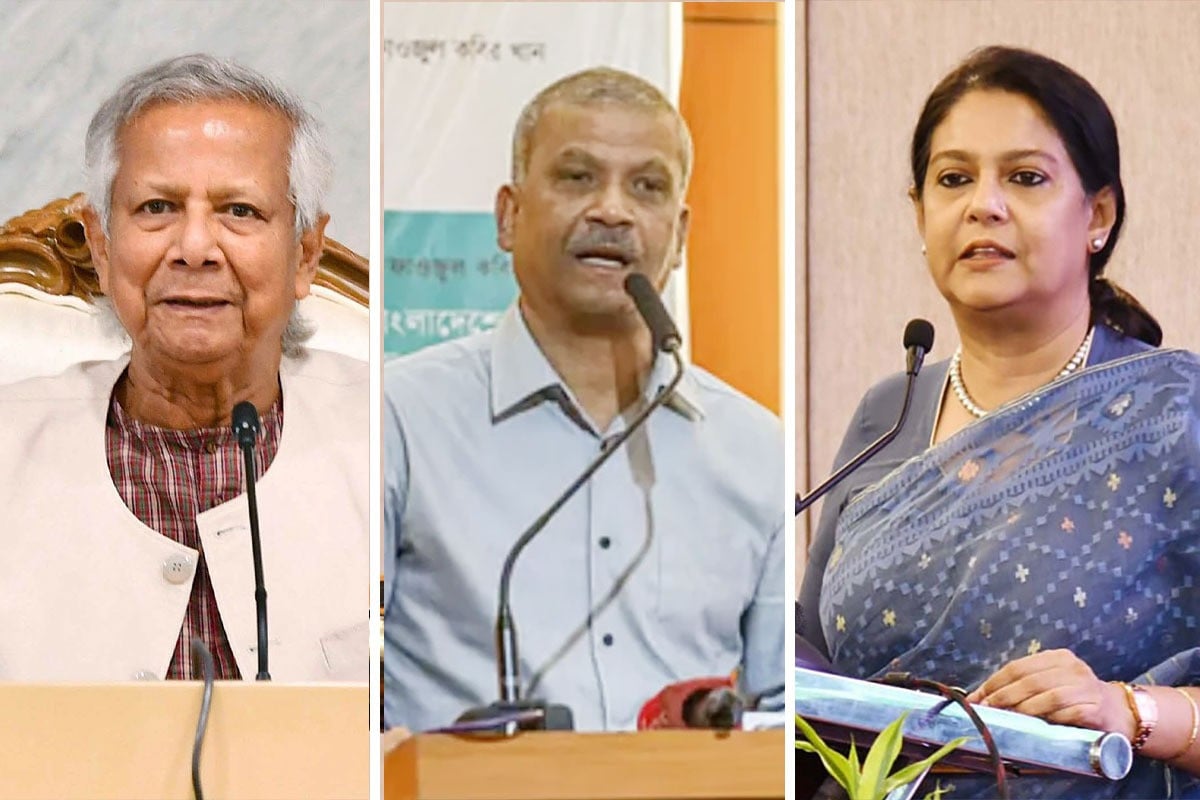
Prof Yunus is not only the chief adviser. He is a farsighted thinker, a Nobel laureate, and a global advocate for peace. We must remember that we collectively entrusted this distinguished Nobel Peace Prize winner with the present responsibility. He did not want to take this duty, but for the sake of the country’s people and to honour the martyrs of the July revolution he accepted it. Prof Yunus’s responsibility is therefore not like that of other heads of government. His principal duty is to chart the path for building the Bangladesh dreamed of by the martyrs. To draft the blueprint for a new Bangladesh – a country in which no new autocrat will arise and the people’s rights will not be trampled. For that reason, upon accepting the duty Prof Yunus identified three priorities: trial for the July genocide, state reform, and elections.
Carrying out these three tasks together is extremely difficult. No country in the world has, after a revolution, simultaneously undertaken such a three-pronged initiative. We can look most recently at Nepal. Inspired by youth in revolution, Nepal’s Janajatis also brought down their government. But the new government that came to power did not walk the path to fulfill their dreams. They moved toward elections. The young people who took part in the revolution are now disappointed. They say the revolution was hijacked. This is where Prof Yunus’s prudence becomes evident. He has not merely acted as a head of government but has embraced the spirit of the revolution, working to realize its aspirations. Nepal went back to the old path, while we are trying to build a new Bangladesh. Therefore, if we are not acquainted with Prof Yunus’s aims and actions, we cannot proceed correctly. Sadly, some political parties have failed to understand Prof Yunus’s thinking and philosophy. They are giving priority to party interest over national interest.
Prof Yunus repeatedly says all forces of the July movement must remain united. There is no alternative. The destruction of unity in the July movement means the rebirth of fascism. If some political parties now begin separate movements, the decadent autocracy will rear its head again. Disorder will be created in the country. If elections are prevented, another undesirable situation will arise.
The country’s situation is already bad. Law-and-order is worrying. The economy is in crisis. Ordinary people are anxious. Taking all this into account, international circles are raising questions about Bangladesh. Bearing these realities in mind, the chief adviser has repeatedly stressed the need for elections in the first part of February. He can see Bangladesh’s future. That is why he is appealing to the political parties.
We must understand one thing: Prof Yunus has no lust for power. What he is doing is for the country’s people and for peace.
Political parties now face two options. They can abandon their rigid stands, sign the July charter in the national interest, and participate in the grand festival election. Or they can, for their narrow interests, continue conflict and push Bangladesh toward a new crisis.
A plea to political leaders: do not push the country onto the path of conflict. For the national interest, listen to Prof Yunus. Let us all together save the country.
The columnist is a writer and playwright. Email: [email protected]