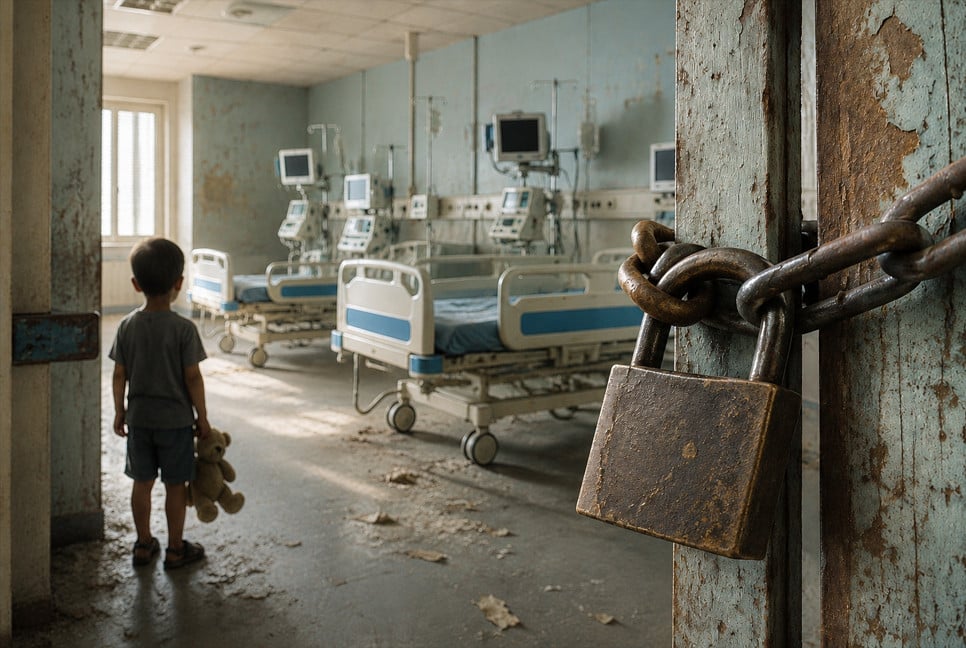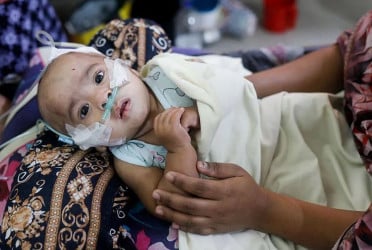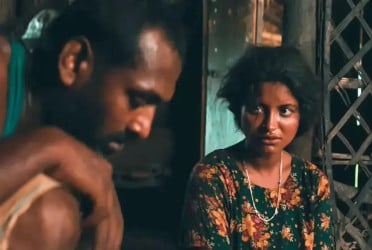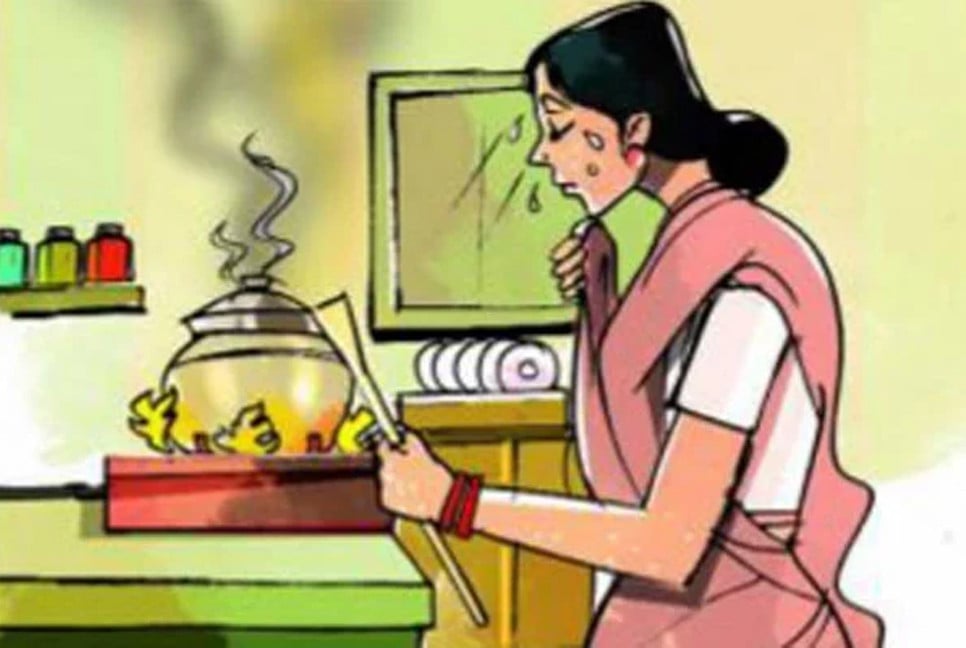
Before dawn breaks, Hasina Begum begins her day. Cooking, preparing breakfast for the children, administering medicine to her elderly mother-in-law—only after all this does she get a brief moment to breathe. Like countless women across Bangladesh, Hasina’s daily life revolves around unpaid work. This labour sustains families and society, yet remains absent from the pages of the economy.
According to a recent study by the Bangladesh Bureau of Statistics (BBS), if women were paid for their household and caregiving work, the annual value would amount to nearly Tk5.7 trillion. Cooking and household chores alone would account for around Tk3.4 trillion, while childcare, elderly and patient care would be worth about Tk2.3 trillion. If men’s limited unpaid work were included, the total figure would rise to Tk6.7 trillion—equivalent to nearly 16 per cent of GDP at current prices.
Women perform on average six hours of unpaid work a day, more than seven times that of men. Over a year, men and women together spend about 2,435 hours on unpaid work, of which 88 per cent falls on women. Cooking alone takes over 1,200 hours annually, childcare 420 hours, and cleaning 237 hours.
Economists say these figures prove that women’s invisible labour is not just the backbone of families but of the national economy itself. This is not only a matter of economic calculation but also of development vision. If such labour continues to go unrecognised, the contributions of half the population will remain invisible in policymaking and budgets.
Experts believe that recognising unpaid work would also shift social attitudes, encouraging men to share household responsibilities. Dr Fahmida Khatun, Executive Director of the Centre for Policy Dialogue (CPD), told media, “Women in Bangladesh are performing household chores, child and family care, cooking and cleaning without wages, and the economic value of this could equal one to two per cent of Bangladesh’s GDP. This highlights the enormity of women’s contributions, which are being ignored in official accounts and GDP, though their value is immense. Recognition would allow policymakers to create more realistic budgets and programmes in social services, employment, health and education. From an economic perspective, it would also grant women’s work greater respect, reduce gender inequality and enhance their dignity in families and society. Most importantly, acknowledgement would give women a sense of self-worth, vital for mental and social wellbeing.”
Economists note that countries such as Canada and New Zealand have created Household Satellite Accounts to measure the economic value of unpaid domestic work. Vietnam and the Philippines include women’s unpaid labour in official reports and integrate it into policymaking. In Sweden and Norway, household work is classified as a social service and incorporated into national budgets.
Bangladesh, too, could adopt such innovations. The government could regularly measure household and caregiving time and assign it economic value. Public campaigns could raise awareness of women’s unpaid labour as dignified and essential work.
Dr Fahmida Khatun added that incorporating women’s unpaid work into policies and social services would create more opportunities for training, facilities and equal participation. Global experience, she said, proves that recognising women’s invisible labour yields significant benefits for both the economy and society.
Bd-pratidin English/ ANI