In terms of political, economic, social and cultural traditions, Nepal is not more advanced than Bangladesh. Kathmandu’s political chaos, frequent changes of government and abrupt power struggles are often messier than Dhaka’s. Yet, in the current context of pushing back fascism, Nepal has shown greater political maturity and institutional charisma than Bangladesh.
Within days of the uprising, the front-line student protesters there returned to their study tables.
The students did not seek a share of state power. They did not indulge in looting, extortion, mob rule or political intimidation. They even apologised for the destruction, arson and disruption of public life during the protests. The new head of government respected this attitude and role of the Gen Z movement.
Nepal’s interim Prime Minister, former Chief Justice Sushila Karki, is no Nobel laureate. She had no ambition to taste political power but could not ignore the call of the youth. That is why she accepted the responsibility.
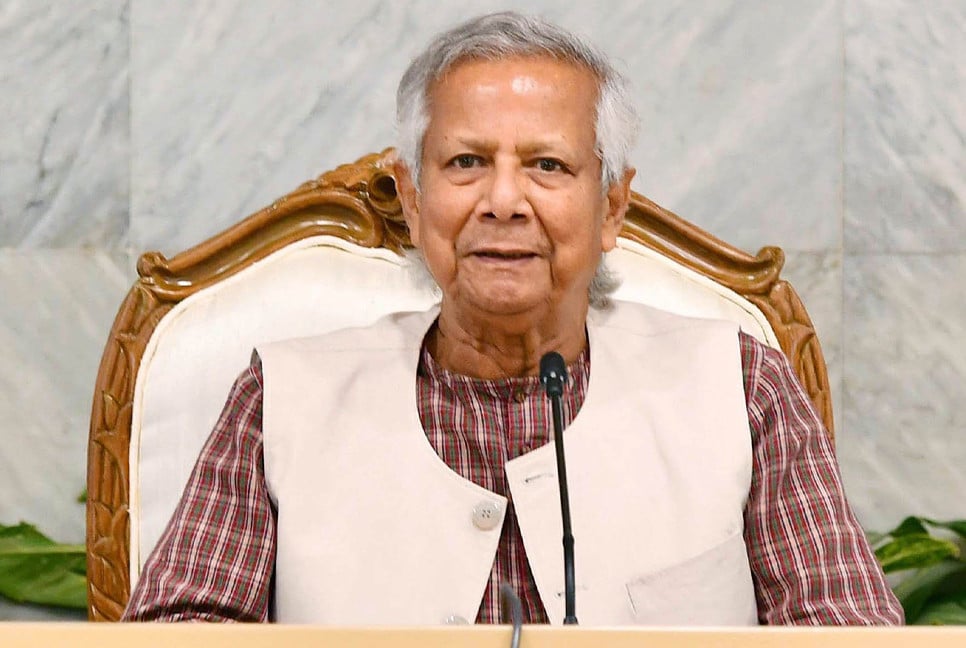
Bangladesh’s Chief Adviser, Dr Muhammad Yunus, expressed similar sentiments, openly saying the students were his appointing authority. But the distinction lies in action: in Sri Lanka and Nepal, students did not become government advisers or power brokers. They remained outside the state machinery while still steering its direction. This difference carries important lessons for both the appointers and the appointed.
Nepal’s interim government may have learnt from Bangladesh’s past year of turmoil. Karki announced the election date immediately after taking oath, keeping students engaged but not dependent upon them. She did not make them partners in power. The students themselves did not demand it. They did not take law into their own hands, form mobs or shut down industries. Instead, there was a remarkable chemistry of understanding and restraint.
Nepal, of course, is not free of corruption or favouritism, but it has not seen enforced disappearances, extrajudicial killings, secret detention centres, large-scale capital flight or the wholesale destruction of electoral institutions as in Bangladesh. Therefore, it did not face the same urgent demand for reforms before elections. Bangladesh, by contrast, remains trapped in bad practices and toxic traditions.
Sri Lanka too went through a similar uprising. Within days, corruption was curbed significantly, and the economy quickly rebounded. From near bankruptcy, it regained stability, rebuilt reserves and overcame food and fuel shortages. In Bangladesh, by contrast, the uprising evaporated within days—along with public passion, political accountability and leadership integrity. Instead of reforms, business and investment were prioritised.
Nepal’s interim government has chosen a different path. Elections, institutional continuity and economic recovery have been set as top priorities. Empty rhetoric, polarising debates or glorified development promises are being avoided. Because mobs were not encouraged, no harsh crackdown was needed. Even student union elections like DUCSU or JUCSU have not been unnecessarily dragged in. Nepal’s Gen Z secured a national election date on the very day the new Prime Minister was sworn in.
Bangladesh’s Gen Z has not moved in that direction. Nepal will also undertake reforms and accountability measures, but without the noise and theatrics so common in Dhaka.
Despite facing severe political crisis, Nepal’s interim government is being led by a 73-year-old woman, its first female Prime Minister. Karki, known for her zero-tolerance stance on corruption as Chief Justice, was nominated by protesting youth. Her leadership trajectory, however, has diverged sharply from Bangladesh’s. In her first address to the nation, she honoured the slain youth as martyrs, vowed to punish those who incited violence, and promised judicial inquiries into killings, arson and looting. She also identified the 9 September attacks on public and private property as part of a wider conspiracy.
Bangladesh still has time to learn from Kathmandu. The government, political frontliners and civil society must see the lessons before it is too late. Some argue that Nepal managed faster elections because corruption, money laundering and local-level political domination are less pervasive there. Bangladesh’s conflicts may be deeper, but time has already been lost. If divisions and chaos can be reduced, there remains an opportunity to use the coming months wisely. What is needed is prudent decision-making and a determination to preserve politics rooted in the interests of Bangladesh—just as Nepal is trying to do.
The writer is a journalist, columnist and the Deputy Head of News at Bangla Vision