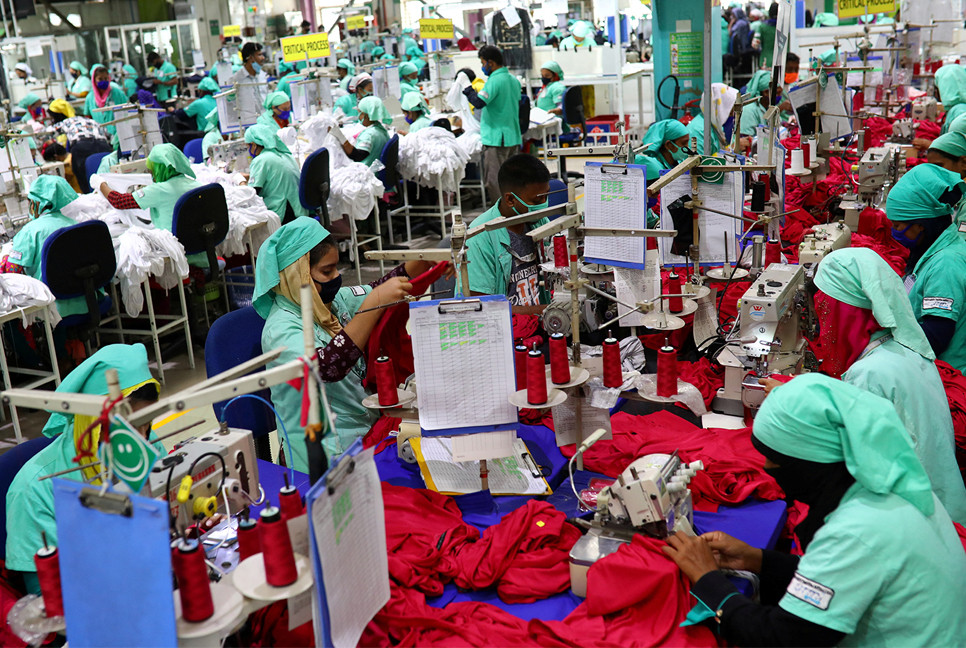
Bangladesh’s readymade garment (RMG) sector may face intense competition and significant challenges if the country graduates from the Least Developed Country (LDC) category without adequate preparation, analysts have warned. Once Bangladesh officially attains developing country status in November 2026, the duty-free market access it currently enjoys will begin to withdraw gradually.
Experts say that without proper readiness, LDC graduation could deal a major blow to the country’s export-oriented garment industry. Therefore, the biggest challenge now is to extend duty-free benefits through diplomatic negotiations, improve infrastructure, and reduce costs through joint efforts by the government and private sector.
According to the World Trade Organization (WTO), Bangladesh will continue to receive duty-free market access for an additional three years after graduation until 2029. After that, Bangladeshi garments will face tariffs of up to 12% in the European Union (EU), 11.5% in the UK, 16.2% in Canada, 9% in Japan, 20% in India, and 6.7% in China.
Meanwhile, competitor countries like Vietnam have already signed Free Trade Agreements (FTAs) with the EU and Canada. As a result, even after 2029, Vietnamese garments will continue to enjoy duty-free access to European markets, whereas Bangladeshi garments will face a 12% tariff.
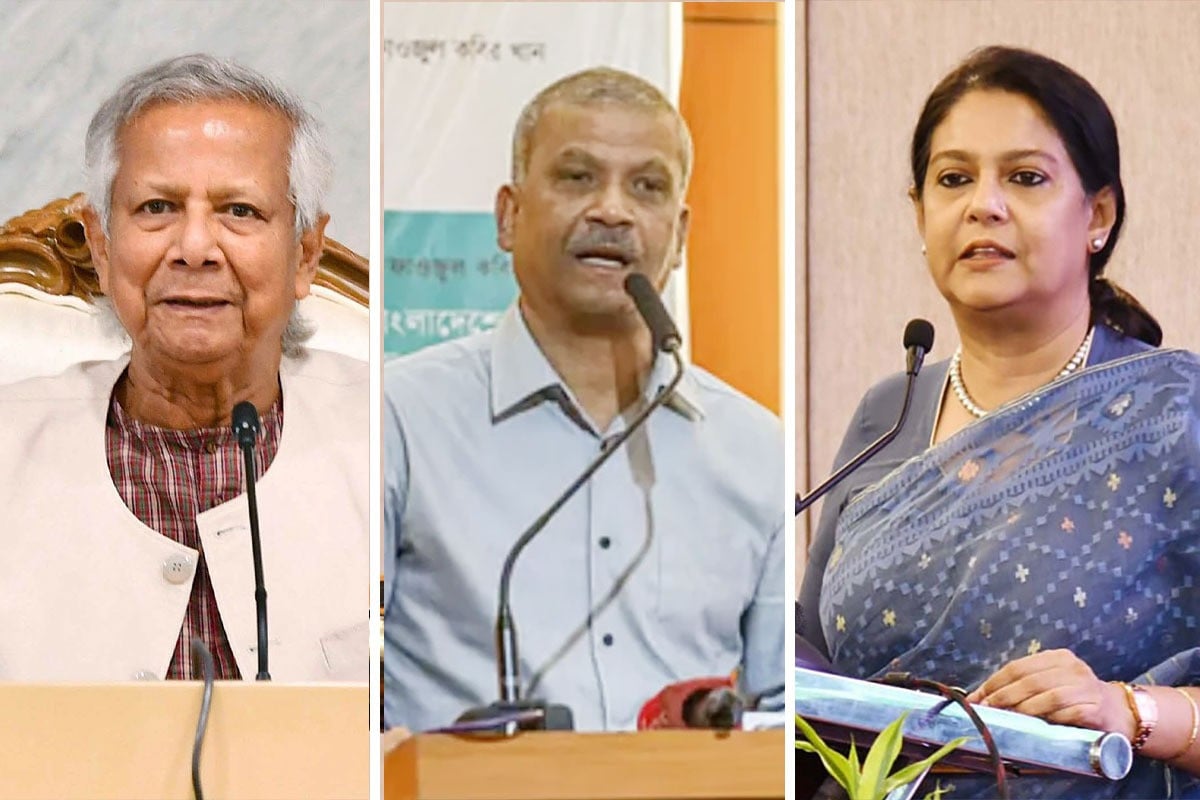
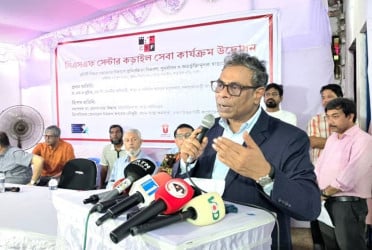
Dr. Mohammad Abdur Razzaque, Chairman of the Research and Policy Integration for Development (RAPID), stated that time is very limited, and Bangladesh must begin negotiations with the EU within the next six to nine months.
Even if Bangladesh qualifies for the EU’s GSP+ scheme, the benefits will come with strict conditions and may not cover the garment sector. Therefore, immediate action is required, he emphasized.
BGMEA (Bangladesh Garment Manufacturers and Exporters Association) President Mahmud Hasan Khan said, “We are seeking duty-free access at least until 2032. This extended period is crucially important for preparation.”
Bd-pratidin English/ ANI