At last, the interim government has gifted the nation with a remarkable DUCSU (Dhaka University Central Students’ Union) election. Many doubts and anxieties had surrounded the question of whether it would truly take place.
For the government, this election was a major test, a sort of trial run ahead of the upcoming national election. The timing was especially challenging, as the country’s law and order situation was fragile and mob violence had created widespread unrest, with occurrences in Rajbari and elsewhere in country worrying the people. Dhaka University is not an isolated island; whatever happens across the country can easily spill onto the campus.
Yet in the end, the DUCSU election was held peacefully. Apart from a few minor incidents, the polls took place in a festive atmosphere. In fact, compared to earlier elections since independence, this one was among the most spirited and competitive. The last DUCSU election, held in 2019, had been nothing short of a farce.
The university administration openly worked in favor of the Chhatra League, and the goal then was not to uphold student rights but to cement the Awami League’s dominance on campus. Everything was orchestrated to capture DUCSU.
This time, however, there was no sign of government bias or favoritism. In a policymaking meeting before the polls, the Chief Adviser clearly instructed that the election must be free, fair, and impartial. This election proved that when the government remains neutral, democratic practice in educational institutions can flourish. It will serve as a guiding light for Bangladesh.
For me, the matter of who won or lost is secondary. What mattered most was that the election was peaceful and fair. If unrest had broken out or if the election had collapsed, doubts about the upcoming national polls would have deepened. People might have become fearful of voting, and any turmoil around this election would have shaken the entire country. Even more dangerously, it would have given those trying to sabotage the national election a golden opportunity. They could have argued: if the government cannot even hold a proper DUCSU election, how can it conduct a national one?
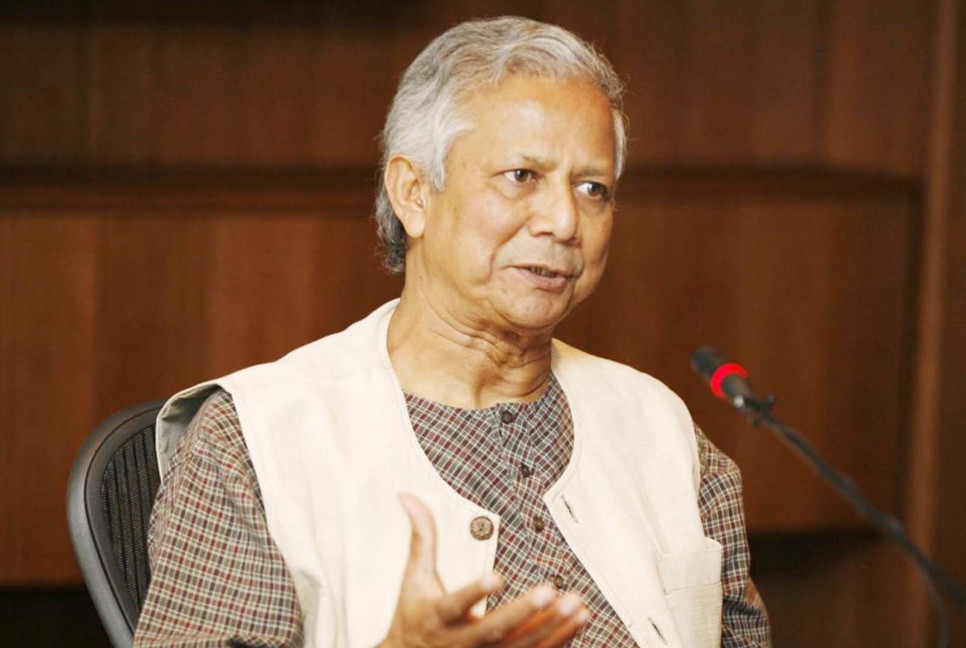
Widespread violence would have plunged the nation into chaos. We know that conspirators were lying in wait, and there were even reports of planned terror and sabotage in the aftermath. We also witnessed sudden street demonstrations by fugitive autocrats before the polls. All of this made the DUCSU election a difficult test for the government—and Dr. Muhammad Yunus has passed it with an A+.
Following DUCSU, other universities will now hold student union elections. This event will serve an inspiration for them. University administrations will be able to plan more effectively and take steps to maintain fair polls.
This election has also boosted the government’s morale and confidence. A fair DUCSU election has demonstrated its capability. It will help rebuild the confidence of our law enforcement as well, especially police officers.
Above all, the election has given hope to the people. In recent times, citizens have been deeply anxious and uncertain about the future of the country. Questions such as “What lies ahead? Where is the country going?” have been on everyone’s lips, but the DUCSU election has eased some of these concerns.
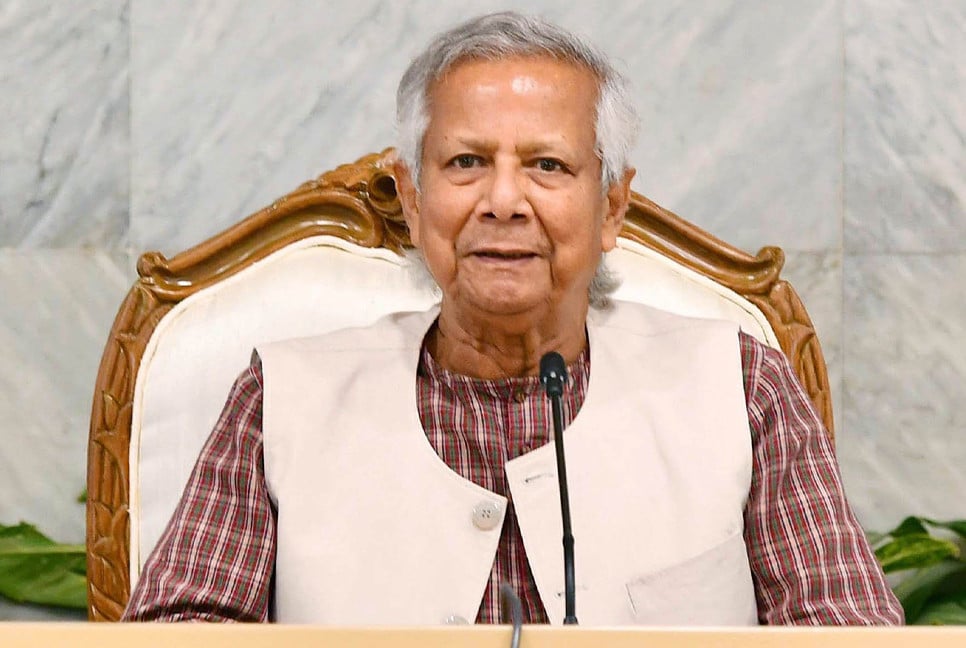
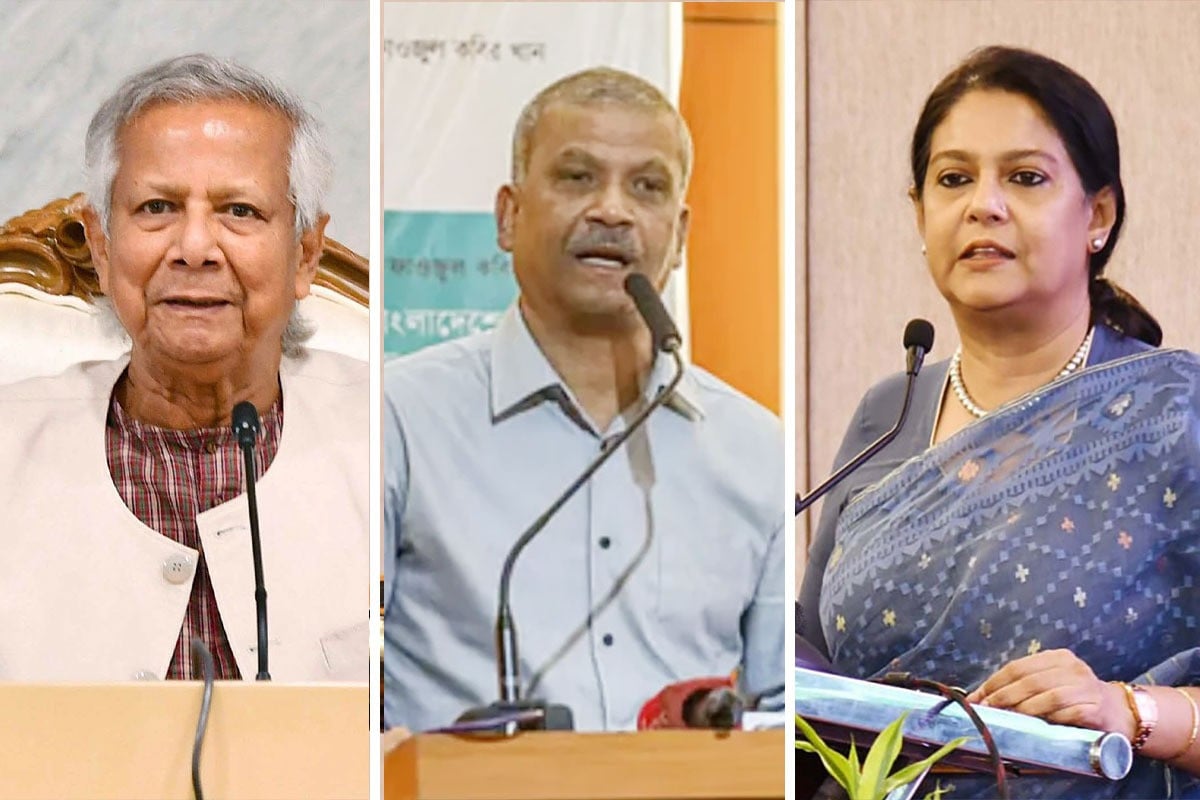
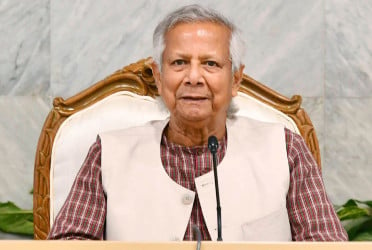
As Chief Adviser, Nobel Peace Laureate Professor Dr. Muhammad Yunus has been navigating a tough situation with determination for the past 13 months. He started from scratch and has been rebuilding a devastated country in a short time. When Dr. Yunus assumed responsibility, Bangladesh’s international image was at rock bottom. Since then, he has given the nation new identity and dignity.
The economy was in shambles, crippled by years of rampant looting, and from his very first day in office Dr. Yunus set about restoring discipline to the financial sector. By tightening controls on money laundering and encouraging the flow of remittances, he managed to stabilize foreign currency reserves and bring an end to the dollar crisis.
On 5 August, the first anniversary of the July Revolution, he outlined a clear roadmap for the upcoming national election, reaffirming his commitment that the February polls will be the freest, fairest, and most impartial in the country’s history.
In the wake of the DUCSU election, people now feel a renewed sense of reassurance, for Dr. Muhammad Yunus has shown once again that he keeps his word. That consistency is his greatest strength, and it is the quality that has earned him admiration across the world as a leader worth emulating.
The writer is playwright and columnist. Email: [email protected]