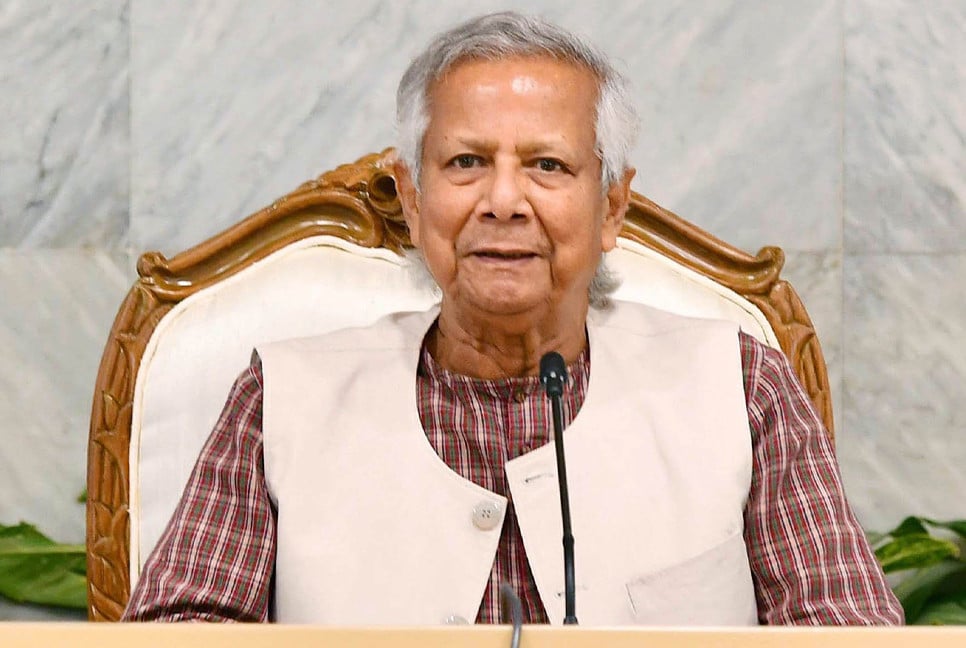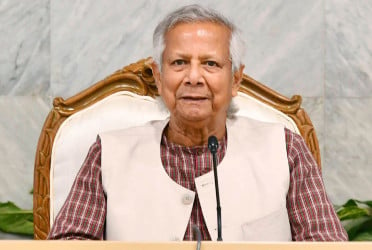
Preparations for the national election are underway. Despite various doubts and uncertainties, all sides of the interim government are assuring that the election will be held within the timeframe announced by Chief Adviser Dr Muhammad Yunus. The international community also appears keenly interested in this election. The United States, in particular, is showing urgency regarding holding elections swiftly and transferring power to a democratic government. The US Ambassador is holding regular meetings not only with the BNP but also with other political parties. It is clear these meetings are election-centric.
This upcoming election is of great importance to Bangladesh. After 15 years of misrule, the people hope that the election will initiate a functioning democratic system. It is expected to usher in accountability and transparency and lay the foundation for a corruption-free Bangladesh. However, we must remember that the election is only the beginning — the real work of rebuilding the state will commence afterward. Like the 2024 mass uprising, political parties must reach a consensus on some fundamental issues. Differences in ideology and strategy are expected — for example, BNP and Jamaat disagree on the electoral method, and there are disagreements over the July Accord — but consensus on core principles is essential. Without it, we risk falling back into old patterns.
Following the fall of the Awami League government, Bangladesh was expected to enter a phase of possibilities. But that promise has not materialised. Instead, new anxieties have emerged. The most pressing crisis since the government’s fall has been the rise of extortion and political violence. Extortion has fuelled mob terrorism, illegal takeovers, arson, and looting across the country. This form of criminality has spread like a pandemic. If we fail to contain it, the dream of a “new Bangladesh” will vanish.
Though political parties have spoken of taking action against extortionists, and the BNP has expelled numerous leaders and workers over such allegations, the problem persists. The NCP and Jamaat have also taken disciplinary action against a few. Still, extortion and mob violence continue unabated. Its reach now spans from footpaths to corporate houses. People identifying with various political affiliations are extorting openly in offices and courts. When demands aren’t met, mob attacks begin. False and harassing murder cases are being filed, and victims are being subjected to all sorts of abuse. It seems almost impossible to live in Bangladesh now without paying extortion money.
And it’s not just political activists — members of the administration have also become involved. Recently, the press secretary of one of the advisers was accused of extortion. Another arrested extortionist accused the student adviser of being complicit. Yet the interim government has maintained a stunning silence on the matter. Student adviser Asif Mahmud, a key leader of the July uprising, took office amid great hope. But soon after, a corruption allegation worth Tk 600 crore was raised against his personal officer. Before that could be resolved, a new allegation emerged — this time against his press secretary. Notably, advisers do not usually have press secretaries; they have public relations officers. So how did an adviser appoint a press secretary? And on what authority? Furthermore, how is this so-called press secretary engaging in blatant extortion?
A few weeks ago, several student leaders from the July movement were arrested while attempting to extort money from a former MP’s home in Gulshan. They were jailed, but then accused Asif Mahmud of demanding a cut of their earnings. Though Mahmud has denied knowing them, the reality is that whether he knows them or not, such incidents are deeply unfortunate. Extortion and violence have become an open secret. Police stations themselves are hubs of extortion. Thousands have been falsely accused in fabricated murder cases — and police are extorting money from the accused. While many claim that the police have become ineffective and demoralised in maintaining law and order, their confidence in collecting extortion remains intact. It’s also been reported that police threaten people with false charges to extort money.
Outside the police, bribery in government offices has surged. A businessman recently noted that bribes which once amounted to Tk1 lakh are now Tk5 lakh. No official work gets done without bribes or extortion. There appears to be no authority to stop this.
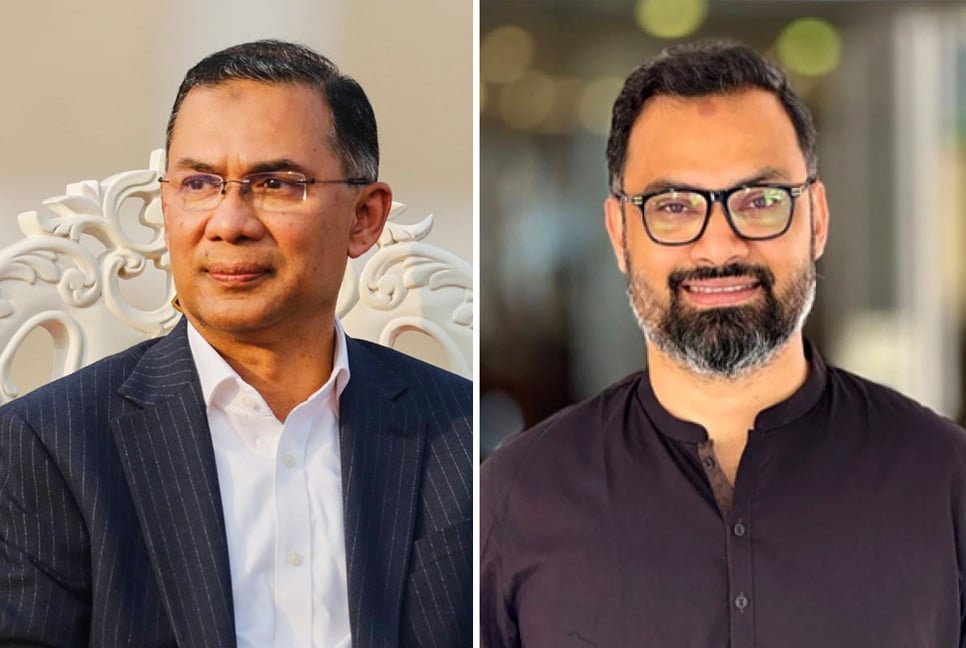
Rogue political actors are looting white stones from Sylhet with impunity — another form of extortion. Shockingly, the administration, instead of stopping them, appears to be complicit. Administration and political parties seem to be collaborating in organised looting. The BNP’s Acting Chairman Tarique Rahman has repeatedly called for strict measures against extortionists and has initiated internal purges, disciplining over 4,000 members. Yet the extortion continues.
With elections approaching, citizens — especially business owners — are worried. Competing political parties may initiate a fresh wave of election-centred extortion, threatening and blackmailing businessmen in the name of campaign funding. If businesspeople refuse, they risk new forms of harassment and victimisation — even being labelled as fascist sympathisers.
While political parties publicly claim to reject extortion, in practice, extortionists operate under their protection. This time, the political parties must make a public commitment: extortion, under any circumstances, will not be tolerated. They must be transparent about election expenditures and must not coerce individuals or businesses for funds. If a political party receives donations, it should do so openly. In many countries — including the United States — campaign donations are legal and disclosed. We’ve seen Elon Musk publicly donate large sums to Trump. Others also openly support parties or candidates. Voluntary support is not a crime. But forced, secretive fundraising is extortion — and a crime.
In Europe and even neighbouring India, political donations are declared. We must recognise that donations and extortion are not the same. If political parties adopt a culture of transparency in accepting donations, extortion will decline. When done secretly, it only breeds more corruption.
Bangladesh’s economy is already in a fragile state. Businesspeople are scared and inactive, holding off on investment. Over the past year, unchecked extortion has exacerbated the situation. If a new wave of election-related extortion begins, the economy could collapse — and the new government may not be able to revive it.
Therefore, political parties must include in their manifestos a clear commitment: no extortion, no land grabbing, no protection of looters. They must also commit to full transparency in any political donations. This could be a step towards establishing good governance. Only then can we begin to eliminate corruption, disorder, and looting. But the question remains: do we have the courage to take this bold step?