Imports of raw materials and equipment for industries have declined. Not only has the economy slowed, but investment has also hit rock bottom.
Essential commodities are increasingly in short supply. Consumer spending has dropped significantly. People are trying to stretch a day’s worth of shopping to last three days.
Yet, the drug trade continues to flourish. There seems to be no disruption in its supply chain. Markets are flooded, stocks are overflowing, and business is booming.
The supply chain and “security” appear to be well aligned with the demands of those involved. Occasional disturbances arise—often between buyers and sellers, or when addicts attack their parents or vice versa.
Two days ago, a clash between rival drug gangs in Kishoreganj left one person dead and several injured, bringing to light the scale of the illicit trade there. Few would have known about the territory-based dominance until that incident. Two local BNP youth leaders were expelled following the violence.
According to a press release, they were dismissed for tarnishing the party’s image through involvement in violence.
However, drug dealers have little regard for image or reputation. Nothing appears too vile or despicable for them to pursue. The scene is largely similar across the country—old dealers have gone underground while new ones emerge. In some areas, both groups seem to have reached a tacit understanding.
Drug markets are bustling. Buyers and sellers crowd the scene. Massive investments are being made. There are no logistical issues in import-export or marketing. Occasionally, disturbances caused by users or dealers draw police and narcotics officials into action.
A few days of operations, some drugs seized, a few addicts or peddlers arrested—and the system resets. These “successes” often earn promotions or transfers as rewards. And so, the drug empire endures. Despite massive political changes, this shadowy world remains untouched—if anything, it has expanded its roots.
In Banshkhali, Chattogram, drug-addicted Tapan Rudra hacked his father to death. If not for this, the drug crisis there might not have caught public attention.
In Khatiyalpara, Barishal, an addict named Shahriar Shimul decapitated his father, Shah Alam Khan. The area stayed tense for days. Law enforcement had to step in to show activity.
In Narayanganj Sadar near Dhaka, it was the parents who took a drastic step—fed up with their addicted son Jony, Karuna Roy and Anita Rani killed him and dumped his body in a drain.
Beyond these isolated, horrific incidents, the drug business is expanding. Imports are steady, customers plentiful. Lawsuits and court cases are mounting. Not just in the capital or major cities—today, even in remote villages, a variety of drugs are within arm’s reach.
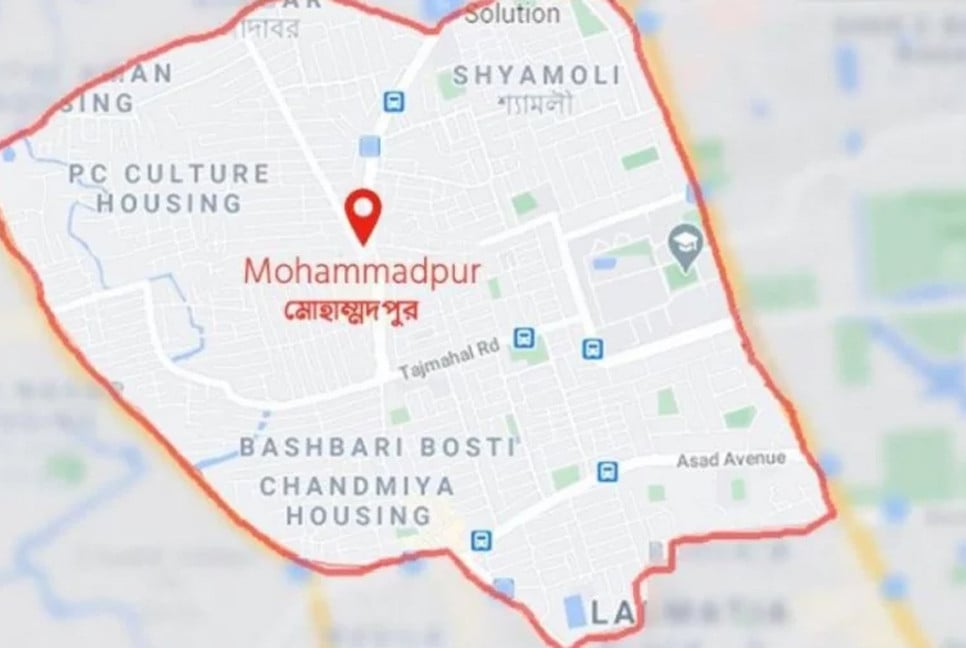
From Dhaka’s posh areas like Gulshan, Banani, and Uttara to bustling neighbourhoods like Karwan Bazar, Moghbazar, Kamrangirchar, Geneva Camp in Mohammadpur, Mugda, Mirpur, Pallabi, Momenbagh near Rajarbagh Police Lines, Shantibagh, and Jigatola—drug use and sales continue openly from evening till late at night.
Police and narcotics officials occasionally show force, conduct token raids, and receive their share. At some locations, queues to buy “supplies” are so long it’s hard to manage the crowd.
While the country focuses on elections, reforms, justice, and national unity, a certain segment is immersed in drug trading and profit-making. Local political leaders, influential families, police officers, narcotics officials—all have vested interests in the trade.
Over the past 15–16 years, some involved have gone into hiding or fled; others have swapped territories temporarily to secure dues.
Drug importers are now busier than ever. Beyond alcohol, cannabis, and yaba, they are making various substances more accessible, modernising supply chains. After arms trafficking, narcotics is the most profitable illicit trade globally.
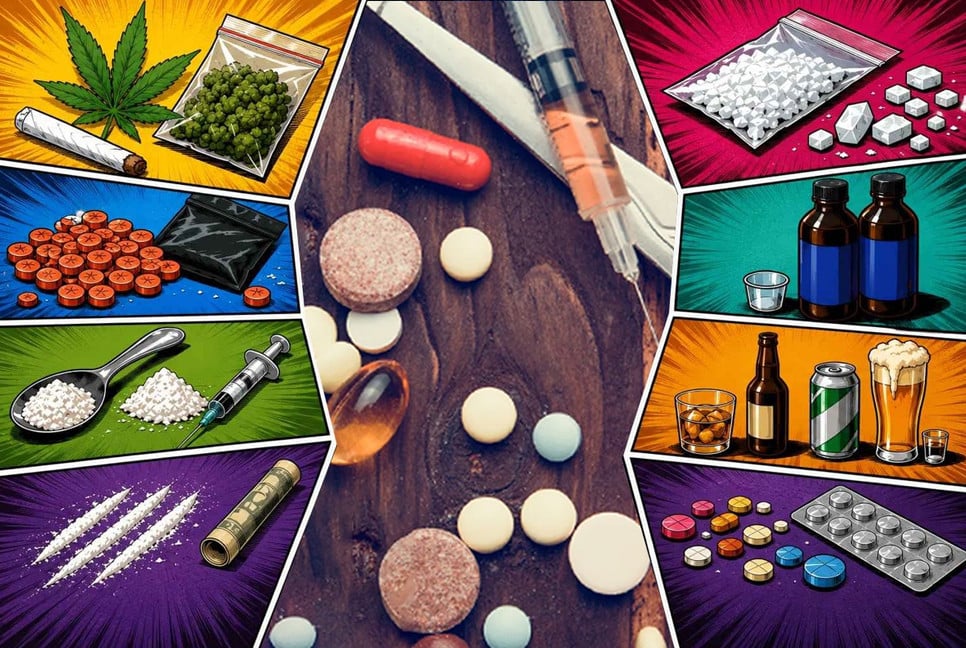
Yaba, cannabis, phensedyl, alcohol, opium, heroin, cocaine, pethidine, prescription sedatives—even shoe glue—are being distributed across society. Most of these substances enter Bangladesh through neighbouring India and Myanmar.
Though not a drug-producing country, Bangladesh’s geographic position makes it extremely vulnerable. It lies at the centre of Asia’s three major drug-trafficking corridors: the Golden Triangle, the Golden Crescent, and the Golden Wedge. This makes it an easy transit point for international drug cartels. Hundreds of rivers and canals flow into the Bay of Bengal, making the coastline and waterways ideal routes for smugglers.
Additionally, several domestic drug routes have been established across the country.
Their primary target: the country’s large, vulnerable youth population. The drug cartels’ strategies and networks outmatch government efforts. Their tactics are ever-evolving, often with alarming creativity.
Their primary route is now Myanmar—a country plagued by chaos, yet facilitating illicit drug trade. Smugglers quietly collaborate with Myanmar’s armed groups like the Arakan Army and transnational syndicates, bringing in yaba and other drugs in bulk.
Following the Arakan Army’s consolidation of power in Rakhine, the region has grown more dependent on Bangladesh for essentials. Smugglers exploit this dependence by exporting sugar, fertiliser, onions, cement, garlic, salt, fuel, cooking oil, dried fish, prawn fry, chocolates, tin, wood, tiles, sarees, three-pieces, blankets, cosmetics, jewellery, and mobile phones in exchange for narcotics. For the past year, these trades have continued under the guise of barter: medicines, food, construction materials, and agricultural inputs traded for methamphetamine and other substances.
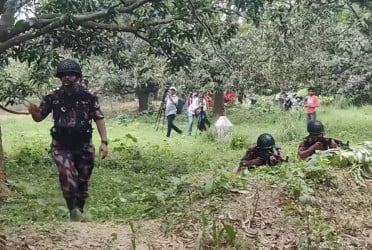
Fishing boats are their primary transport. From Myanmar, yaba consignments are ferried across the Naf River and stockpiled in remote areas of Teknaf, Naikhongchhari, and Thanchi, before being distributed nationwide. New dealers have joined the old. With law enforcement busy with election-related duties, this has become a seasonal opportunity for traffickers.
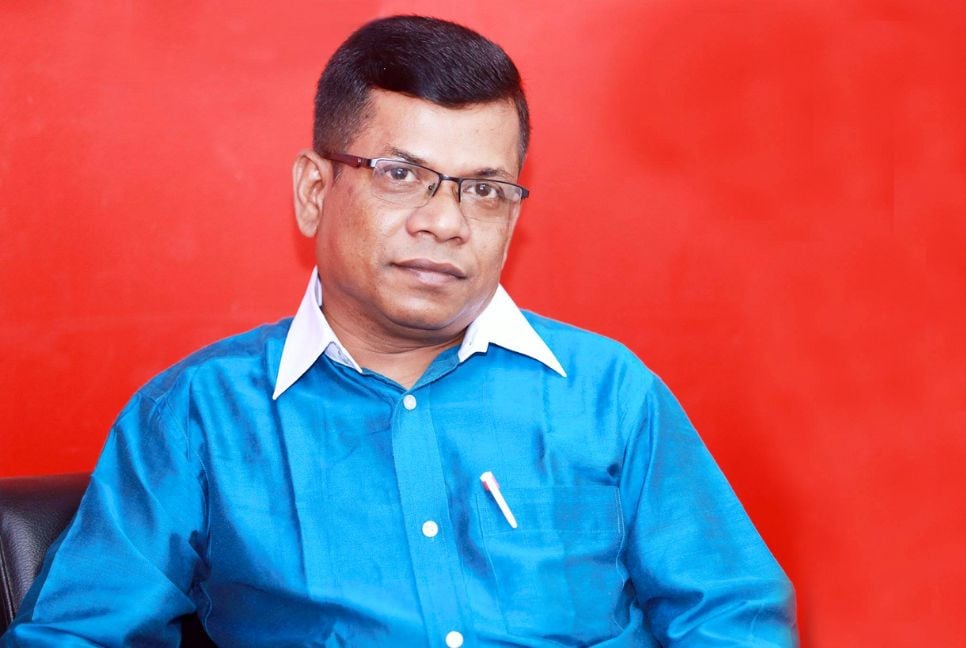
The writer is a journalist, columnist and the Deputy Head of News at BanglaVision.