After the July uprising, everyone expected a new Bangladesh – a Bangladesh of unity, free from inequality. A Bangladesh of transparency, accountability, and free from corruption.
A nation where political opponents would not be suppressed. Where violence and terrorism would not consume politics. Where there would be no vile competition to destroy one another.
We dreamed of such a Bangladesh – where all political parties would share fraternity and mutual respect. They would oppose each other’s ideologies, but in a healthy and constructive way. Courtesy, creativity, and respect would be established in politics – something absent for the last 15 years.
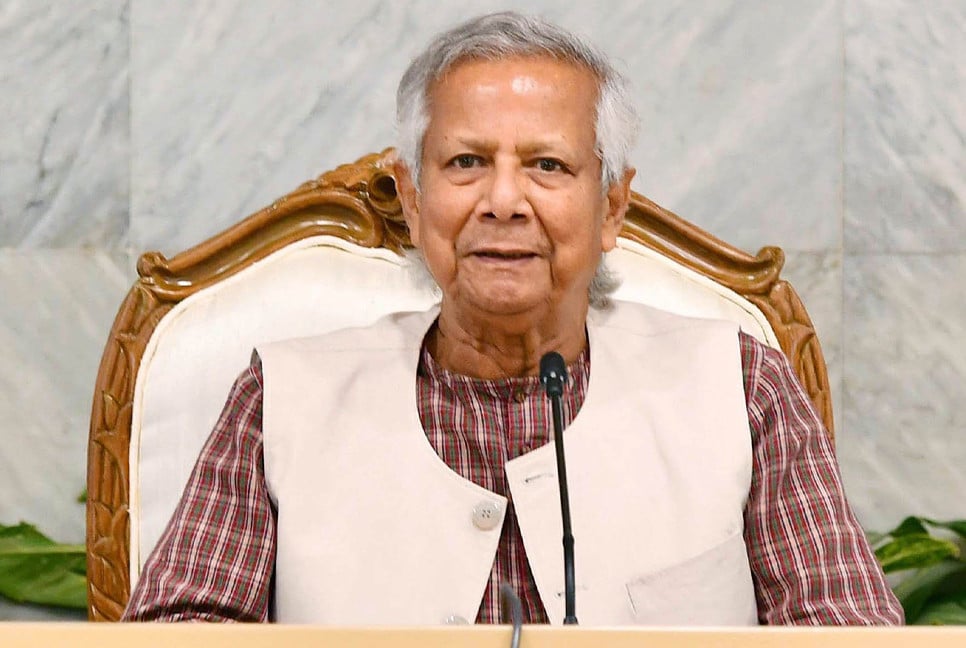
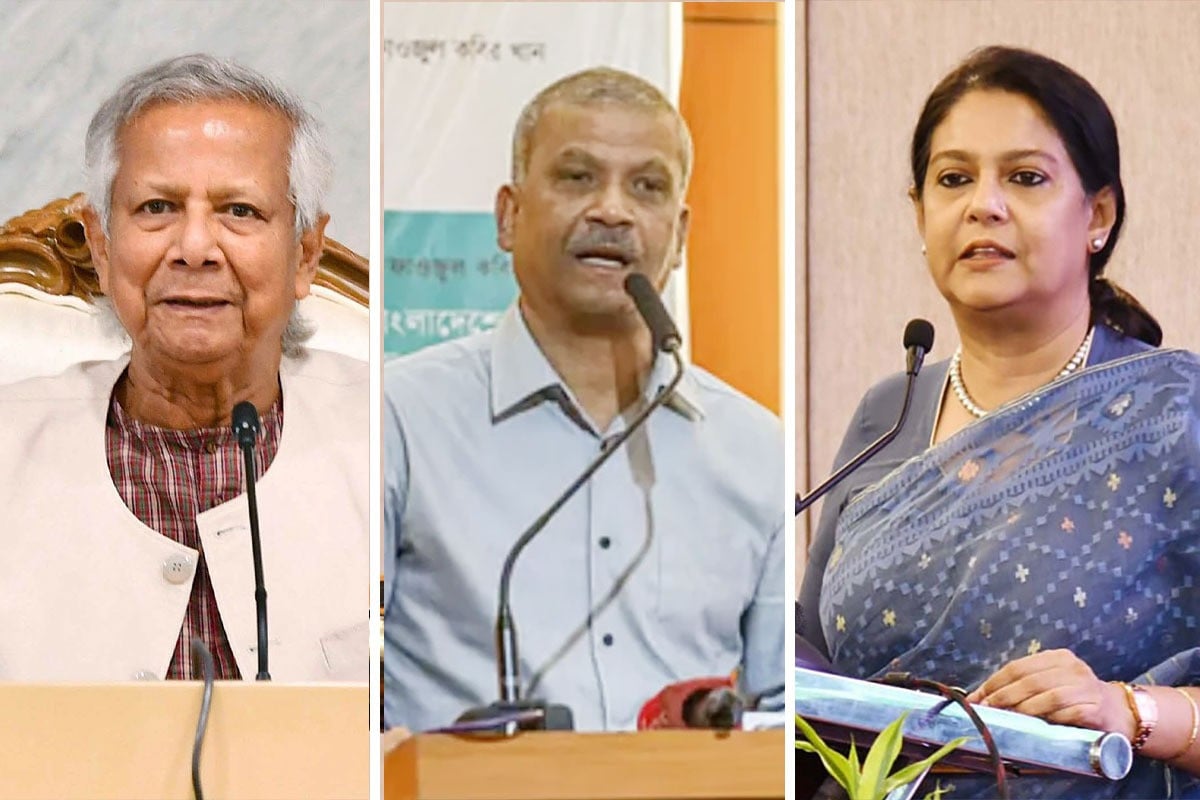
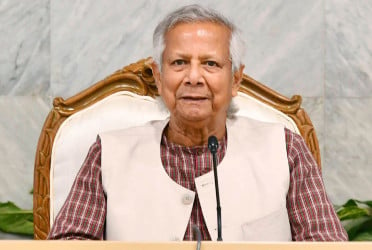
With this dream in their hearts, students and the masses fought. Through this struggle, Bangladesh overthrew autocracy. Under the leadership of Prof Muhammad Yunus, a new Bangladesh began.
When taking on this responsibility a year ago, Prof Yunus declared: “Bangladesh will be like a family. Here we are all brothers; no one is anyone’s enemy. Together, we will build Bangladesh. Political parties too expressed the same conviction. All said they must remain united at any cost. Country first – there can be no divisions when it comes to the nation.”
But as time passes, especially one year after the July uprising, we see clouds of division darkening the political horizon. This division is turning into vengeance. Political parties are attacking one another over trivial issues, polluting politics with ugly rhetoric.
Not only in politics – everywhere we see a kind of “cops and robbers” game. Who collaborated with fascism? Who benefited? In the name of such questions, attempts are being made to divide Bangladesh again.
One thing must be remembered: as long as we practice divisive politics, the July revolution will not succeed. Bangladesh cannot move forward. Most citizens do not hold on to the ideology of any single political party. They love the country and work for it. Whoever is in power, they obey the state. But now, one side is trying to undermine the other with labels and accusations.
With elections approaching, divisions are becoming more pronounced. These divisions will obstruct Bangladesh’s progress, stall democracy’s transition, and make it fragile.
The chief adviser presented the July Declaration to the nation on 5 August. Political parties had disagreements over it, yet all eventually accepted it. Prof Yunus announced that elections would be held by February. Initially, parties responded positively. But now, we see multiple maneuvers around elections – and we all know why. It is no secret who is trying to create divisions in politics and for what purpose.
We have seen the NCP imposing various conditions about elections. There is no disagreement over justice or reform. But justice cannot be imposed forcibly; it must be a transparent and natural process. The trial must be impartial, as the world is watching. If it becomes rushed or farcical, the July Revolution will suffer the most.
Why has the NCP taken a negative stance on elections? The reason is simple – their organization is still unstable. This newborn party is riddled with crises. Its leaders are being served show-cause notices over various allegations, then withdrawn under pressure. Dissatisfaction and anger are brewing inside. The massive public support that fueled the July Revolution is now waning. That is natural – politics has ebb and flow. But if the NCP delays elections for its own interest, it will be a misfortune for the nation.
Shaheed President Ziaur Rahman once said: “The party is greater than the individual, and the nation is greater than the party.” The nation’s interest comes first. We must love this country and work for it. We want to believe the NCP did not stage the July Revolution for personal gain, wealth, or positions. They did it to free the motherland. Therefore, we trust they will not provoke new divisions for selfish gain.
Meanwhile, Jamaat has suddenly become vocal about the PR (Proportional Representation) system. After the July Revolution, they did not raise this issue. Most people of Bangladesh do not even understand PR. A recent survey showed 80% of citizens have no idea about it. Then why is Jamaat making such noise? Again, party interest has become bigger than the nation’s.
Jamaat has supporters scattered across the country. They believe in a constituency-based election, dispersed votes will not benefit them. Concentrated votes in specific areas won’t give them enough seats. But if seats are distributed proportionally, their nationwide vote share may place them second or third – giving them a strong parliamentary presence. Thus, they are pushing PR for their own advantage. But should such a system be imposed now, when people lack basic awareness of it?
Jamaat may keep PR in its manifesto, campaign for it, and try to build public opinion. If people support it, they will vote for Jamaat. If not, they will reject it. Forcing it on citizens is not right. Jamaat played a key role in the July Revolution; as one of its architects, we trust they will put national interest before party interest.
Bangladesh needs a democratic transition. The interim unelected government has completed one year. Prof Yunus alone remains the symbol of trust for this administration. But controversies swirl around the advisory council. Questions have arisen about the qualifications and activities of many appointees. Every day new scandals surface – some even involving “honey trap” affairs, shocking citizens. People are losing faith. To move beyond this, power must return to the people. There is no alternative to a free, fair, and impartial election.
The economy too is in crisis. An interim government cannot adopt long-term economic planning. Banks face liquidity problems. No new jobs are being created. Trade is collapsing. Instead of solutions, a “blame game” is going on – searching who was a fascist ally, BNP, or Awami League. But businessmen work for the nation, to advance the economy and create jobs with their intellect and effort. If political parties ignore this reality, it will be tragic.
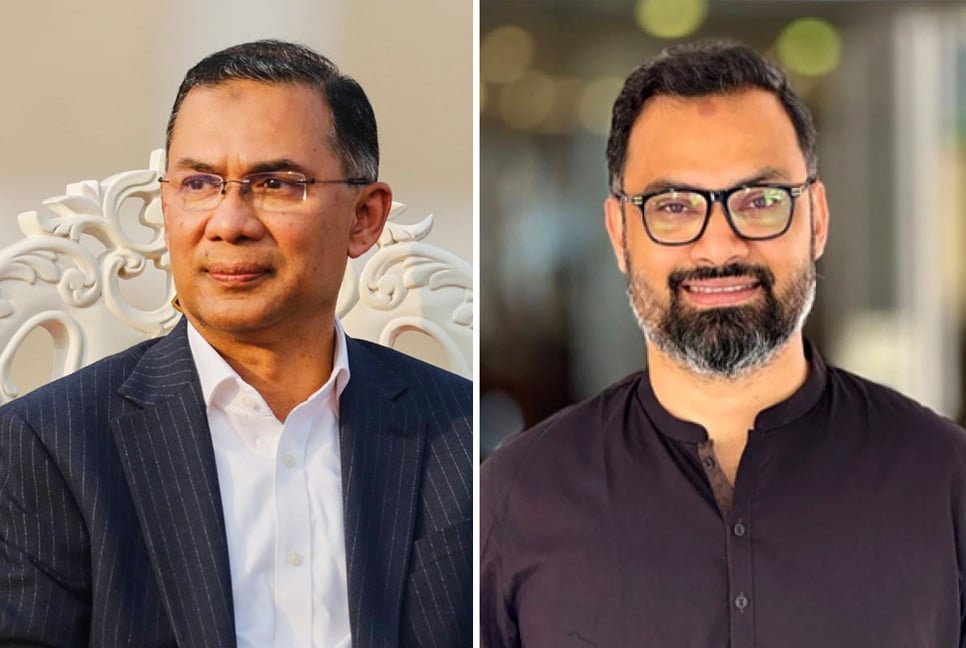
Division and vengeance are rampant everywhere. We must free ourselves from them. Acting BNP chairman Tarique Rahman recently said: “We must build a Bangladesh free from vengeance and division.” We must work to establish a Bangladesh of good governance and accountability. And for that, elections are essential. Winning or losing is secondary – the people will decide. But elections must be held. Because the country comes first.
If we truly love this nation, we must forget divisions and unite in building a new democratic Bangladesh. We must remember – unity is our greatest strength.
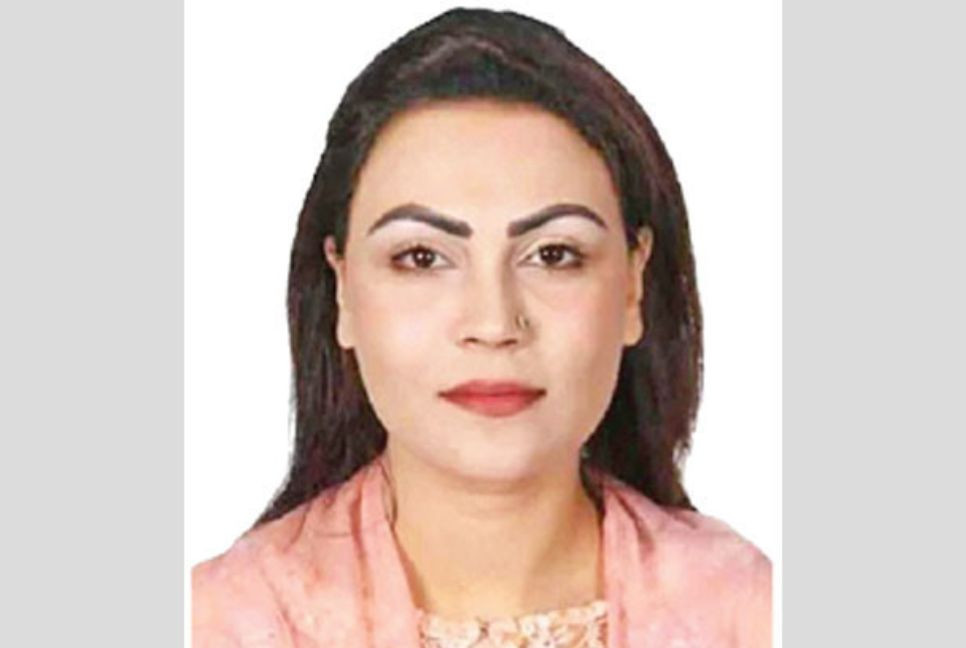
The writer is a playwright and columnist.
Email: [email protected]