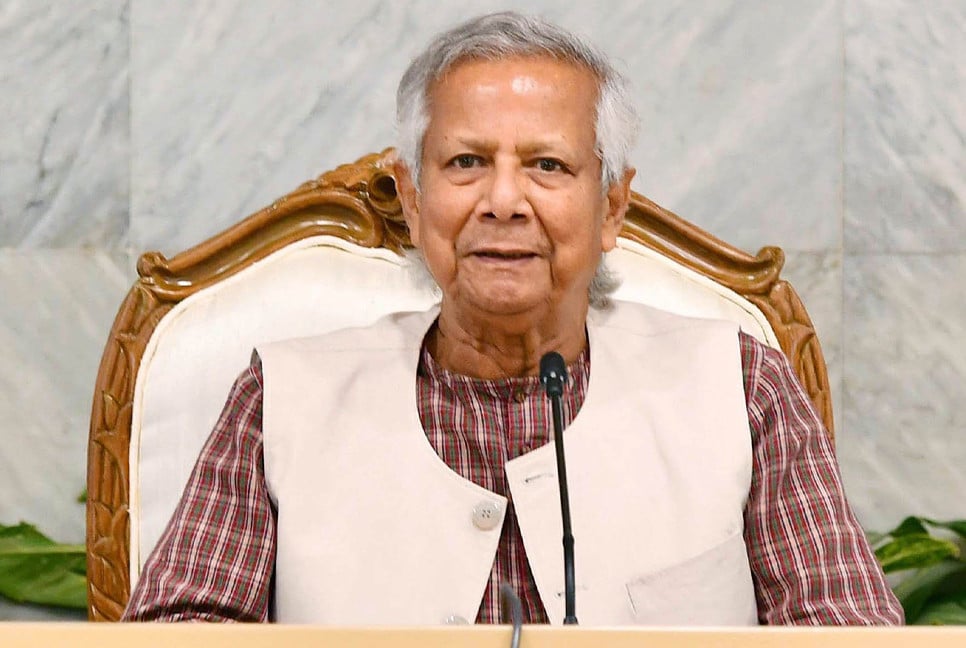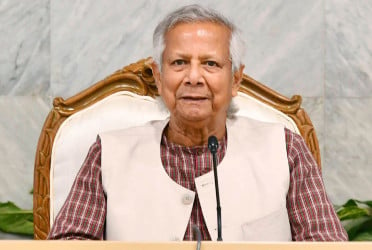
Chief Adviser Dr Muhammad Yunus has announced that the national parliamentary elections will be held in February next year. This announcement has energised the proud nation of 180 million people.
In 1971, the people of this country joined the Liberation War to resist the Pakistani militaries who had refused to hand power to representatives elected in the 1970 polls and to protest genocide.
The July 2024 mass uprising was also the result of people’s outrage against the absence of democracy. The interim government came to power with a pledge to restore voting rights and democratic freedoms.
Although skepticism arose about the government’s intentions, that doubt subsided thanks to the pragmatic role of the chief adviser. The people demanded that elections be announced by December or earlier so that the nation could enter the new year under an elected government. The BNP and its allies shared the same demand.
However, the interim government initially indicated elections might take place around April, and even June or July was mentioned by official quarters. Meanwhile, some government-backed parties with no real popular support were loudly advocating “reforms before elections.” Some even suggested the interim government should stay for five years to turn the country into “paradise.”
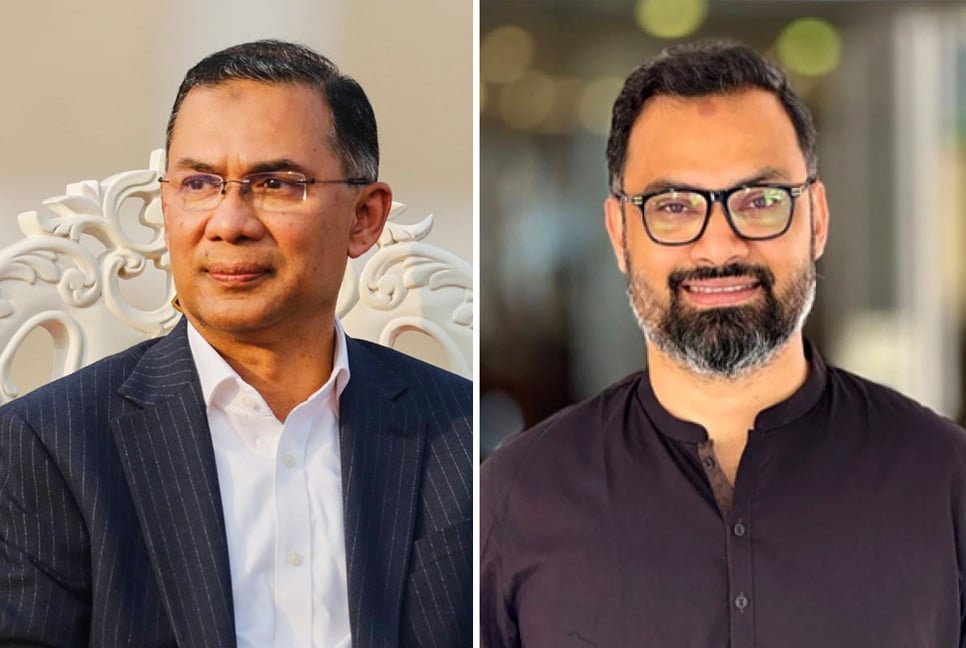
This forced BNP and its allies to threaten agitation for elections, creating a major challenge for the government. They knew well what such movements could lead to. Against this backdrop, the chief adviser met BNP’s Acting Chairman Tarique Rahman in London. They agreed elections would be held in the first half of February, before Ramadan.
On 5 August, the chief adviser announced the electoral roadmap in his address to the nation. Since the authority to declare elections lies with the Election Commission, the government also gave them the green signal.
The prospect of an elected government alarmed those who thrive in chaos. Individuals who became millionaires through extortion in just one year were infuriated by the election roadmap. They bluntly declared there would be no elections in February, openly revealing their plans.
Some foreign-backed NGOs are also pushing this agenda, publishing “opinion polls” that reflect their own wishes rather than public sentiment. They claim people do not want elections without “reforms.”
It is clear that the chief adviser is sincere about holding elections, but conspirators within the government itself are trying to block the process. People unfit even to contest for union council seats are making loud political statements.
This raises serious questions: Are these quarters — demanding reforms before elections — trying to create chaos in order to block the February polls? Are they paving the way for the return of the fallen autocracy?
Over the past year, the unelected government has given the people nothing but price hikes, unemployment, lawlessness, and mob violence. Though they do not speak openly, supporters of the ousted regime are spreading this message at the grassroots.
In particular, a suddenly-emerged party — known as the “King’s Party”— is damaging the government’s image. Their open threats to derail the election cast doubt on the interim government’s intentions.
As I have said before, Chief Adviser Dr Yunus is determined to hold the elections in February. He reiterated this commitment even during his visit to Malaysia. The Election Commission has already been officially notified, and the chief election commissioner has announced that the election schedule will be published in December. The people expect the government to stand firm on its pledge.
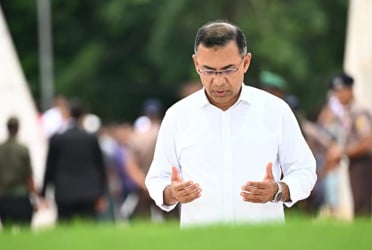
To counter these conspiracies, BNP acting chairman Tarique Rahman has urged party leaders, workers, and supporters to remain vigilant. He has warned against sabotage efforts ahead of the polls.
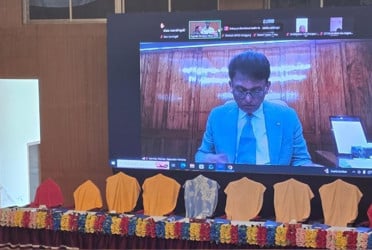
On 17 August, while addressing poets and writers virtually, he called for unity to resist both autocracy and religious extremism. He stated clearly that citizens are the true owners of this country and that an open, fair, and impartial election is essential to protect freedom of speech and establish democracy.
He reminded the audience how poets in the past inspired the nation — Kazi Nazrul Islam with his rebellious verse, Rabindranath Tagore with his songs of humanity — and how literature has always rallied people in times of crisis. The nation will forever remember the patriotic cry of “My first Bangladesh, my last Bangladesh.”
Tarique Rahman’s address, delivered virtually at a BNP Media Cell and National Poetry Council discussion at Dhaka’s National Press Club, was timely and significant. He emphasised that democracy cannot coexist with intolerance or religious fanaticism.
Even after the fall of authoritarian rule on 5 August, fundamentalists are trying to hijack the gains of the July uprising. Their reckless actions threaten the national unity forged by that movement.
By opposing elections, these fundamentalists are effectively strengthening the hand of the fallen dictatorship. Their demand for proportional representation is part of a dangerous game to keep Bangladesh unstable. In this critical moment, the role of poets and writers is crucial.
If religious extremism gains ground, its consequences will be even more disastrous than during the previous autocratic era. Writers and intellectuals must raise awareness about this danger. For the sake of national progress, true democrats must win the coming election — and everyone who values democracy must work toward that goal.
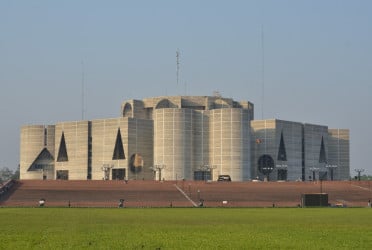
It is unfortunate but true that the National Consensus Commission has sent political parties a draft of the “July Charter,” listing eight pledges and 84 proposals. This initiative seems to be swaying between unity and division. Decisions about state reforms must belong to the people, through their elected representatives. At present, Bangladesh has neither an elected government nor a functioning parliament. Therefore, to fulfill the aspirations of the July uprising, the interim government must draft the July Charter based on political consensus.
However, the commission’s draft includes 10 unrealistic proposals, which is why the BNP has raised objections. The party believes nothing should be imposed bypassing the Constitution.
The author is the Joint Secretary General of BNP, former MP, and a former general secretary of DUCSU