A year has passed since the mass uprising and the formation of the interim government, yet the people of the country have found no peace.
In fact, unrest is growing by the day. This government assumed office with the heavy responsibility of carrying out reforms, ensuring justice, and holding elections. However, instead of unity among political parties over the July Declaration and the July Charter, discord is spreading.
Everyone seems busy tripping each other up. Though they talk about serving the people, all they truly want is power. Those who are qualified for power want it; those who are not qualified also want it. Even those who never wanted this country now crave power in an independent Bangladesh. It seems like a golden opportunity to seize power. Under these circumstances, the risk surrounding elections is increasing.
At this moment, elections are absolutely essential to restore democratic governance and the people’s voting rights. But several political parties have taken the position that if power cannot be guaranteed, there is no need for elections.
Meanwhile, ordinary citizens are suffering terribly. What is happening in the country today has gone beyond the tolerance of people at every level. Politics, economy, trade and commerce, employment, social order, personal safety, media security, and press freedom — all are weighed down by overt and covert distress.
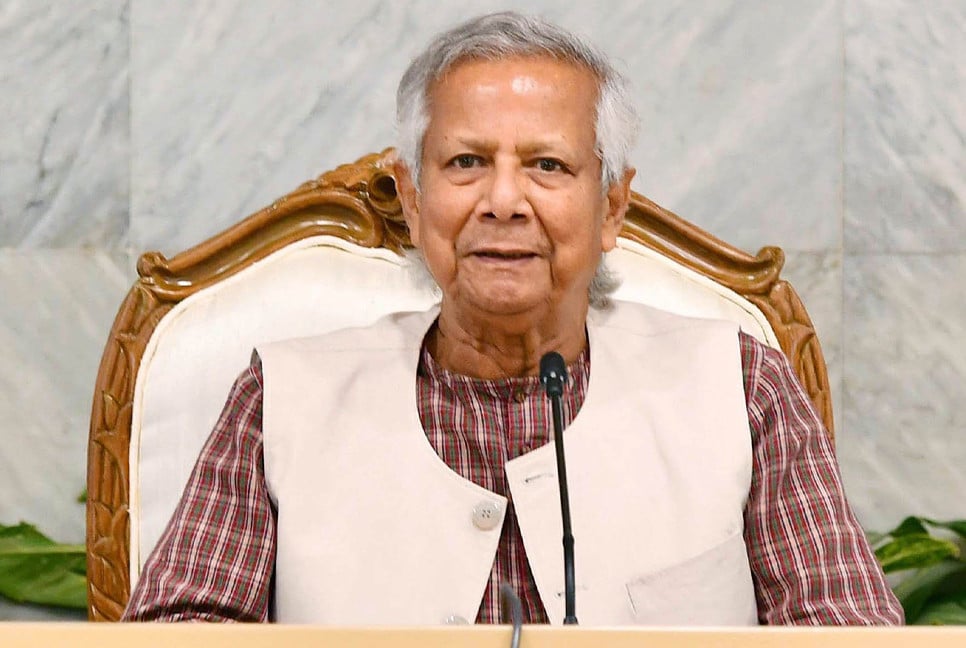
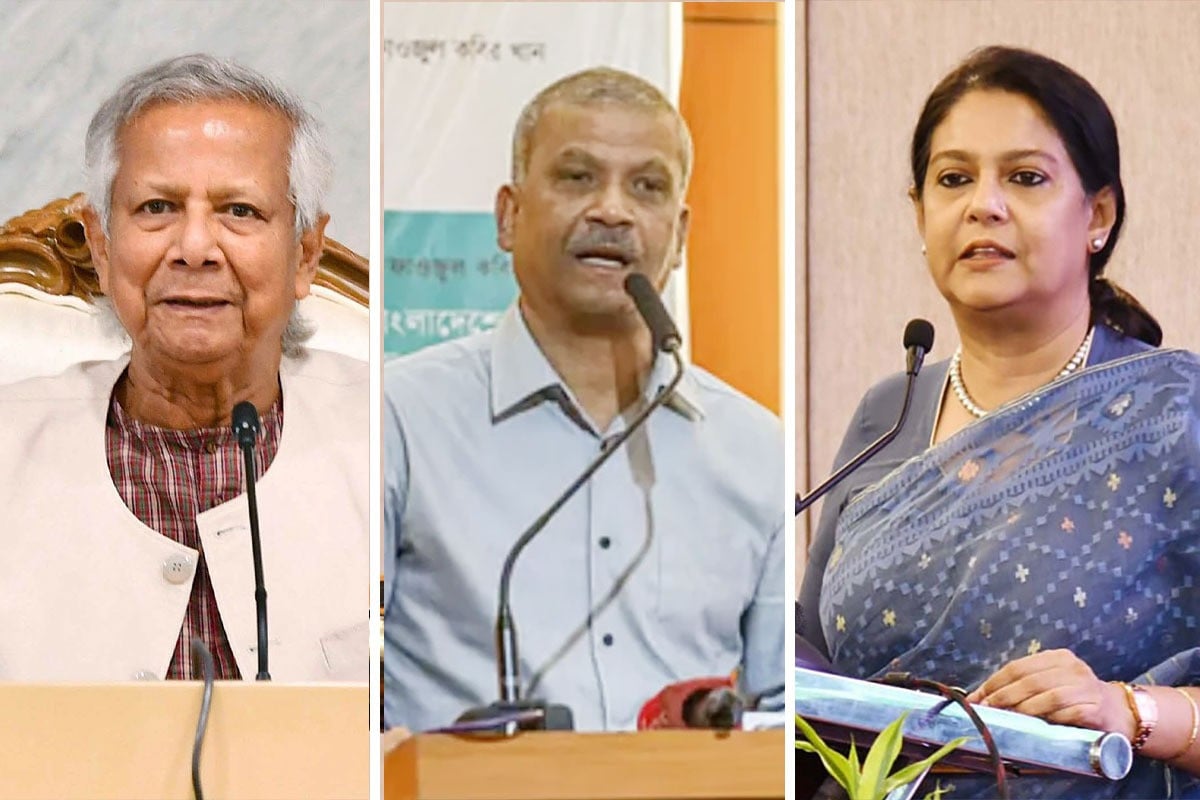
The only solution to the country’s main problems is to hold national elections on schedule. Chief Adviser Dr Muhammad Yunus has written to the Election Commission granting approval to organise elections, and the commission has even announced a roadmap.
Yet complete confidence remains elusive, because a group of political parties has already declared it will not allow the elections to take place.
They want to secure seats in the parliament beforehand through a proportional representation (PR) system.
In the past, alliances negotiated seat sharing before elections, meaning parties would agree which seats to contest and which to leave for smaller allies. This system never guaranteed victory. But under the new PR arrangement, there is no risk — seats are assured.
People are slowly realising that the issue is not about safeguarding their voting rights; rather, elections will not happen unless the political parties can agree on sharing power. Despite efforts to create unity among parties, discord is only growing — and with it, shameless mudslinging.
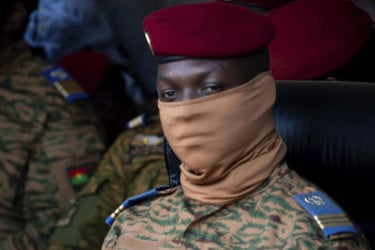
What such division can lead to was made clear on 25 February when Army Chief General Waker-Uz-Zaman issued a stern warning at a special event marking the 2009 BDR mutiny at the RAOWA Convention Hall. He cautioned the nation: “Do not later say that I didn’t warn you. If you cannot overcome your divisions, if you indulge in mudslinging and fighting, the freedom and sovereignty of this country will be in danger.”
Speaking on the need to assist the chief adviser, he said, “I first said there must be an election within 18 months. I believe the government is moving in that direction. Dr Yunus is doing his best to keep this country united, and we must help him succeed.”
He urged people not to spread hostility toward the armed forces: “Do not attack us. Advise us — we will surely accept good advice. We want unity and progress for the nation.”
Six months have passed since those remarks, yet the fears remain. Political disagreement is getting worse. While Dr Yunus walks toward elections, his own beloved revolutionaries are pulling him backward, pointing fingers at the government.
Again, just last Tuesday, the army chief reiterated the importance of holding a fair election and pledged full support to the government. Still, the pulse of the people remains restless. A certain group and the leaders of the new National Citizen Party (NCP) continue issuing threats against our ever-vigilant armed forces.
On Tuesday, the army chief addressed this calmly: “There’s no need to be upset by such comments. Those making them are young, the age of our children. When they grow older, they will realise their mistakes and feel ashamed.”
He spoke like a guardian to his subordinates, but the nation understood the underlying message: freedom of speech must have limits, and the armed forces are our pride.
Meanwhile, the country’s social security and economic conditions have hit rock bottom. City dwellers put on a false show of well-being, but the rural poor are in dire straits. On the 15th of this month, crushed by debt and hunger, four people took their own lives. How shameful is that for the nation! The suicide note of debt-ridden Minarul Islam from Bamanshikra village in Rajshahi’s Paba Upazila brings tears to the eyes.
In his first note, Minarul wrote, “I, Minarul, am writing these words of my own accord. Tonight, four of us will die. No one is to blame. If I do not write this, the police will falsely implicate someone for money. First I killed my wife, then my son Mahin, then my daughter Mithila, and finally I will hang myself.”
In his second note, he wrote, “I killed them with my own hands because if I die alone, who will look after my wife and children? They will have nothing but misery. We are dying because of debt and hunger. We can no longer bear this pain. It’s better to die than live like this.”
No one wants to see four lives snuffed out by debt and starvation. This tragedy has shaken the entire nation. What Minarul did was wrong and sinful, yet countless people across the country have become Minaruls in the past year. His suffering had crossed all limits, while others may still be clinging on. How shameful is it that, while the world praises Dr Yunus’ “Three Zero” theory to eradicate poverty, people in his own country are starving and killing themselves!
I always admired the words of renowned jurist Gazi Shamsur Rahman. His legal explanations using Dabir and Khabir as examples remain etched in my memory. His son, eminent water and climate expert Prof Dr Ainun Nishat, often amazes me with his knowledge.
In one seminar, he said, “You can gauge a country’s development and economic health by looking at the advertisements in newspapers.” Since then, I too have watched advertisements to assess economic vibrancy. Over the past year, there have been virtually none. No business activity, no cash flow, no money in banks.
More than 500 factories have closed or become sick. Industrialists, financial entrepreneurs, small depositors, and small stock investors have been ruined. Everyone’s back is against the wall.
The media are also on the brink of collapse, since they depend on advertising. With no commerce, there are no ads. To make matters worse, the government has shown discriminatory behavior toward certain newspapers.
For example, on the anniversary of the July Uprising on 5 August, the government published a special two-page supplement. Shockingly, the information ministry excluded top-circulation dailies like Bangladesh Pratidin, while distributing the supplement to 70 Dhaka-based and 100 regional newspapers.
The reason remains unknown, but this injustice has angered and saddened the Bangladesh Pratidin family. Those shouting about fairness are blatantly violating it.
Information never truly dies in three places: the media, intelligence agencies, and police stations.
Anyone who misuses state power to suppress these institutions will face consequences sooner or later. That is the lesson of history. Those who exploited these institutions during the fallen government’s 17-year rule now realise the cost. Those currently doing the same should also learn from the past.
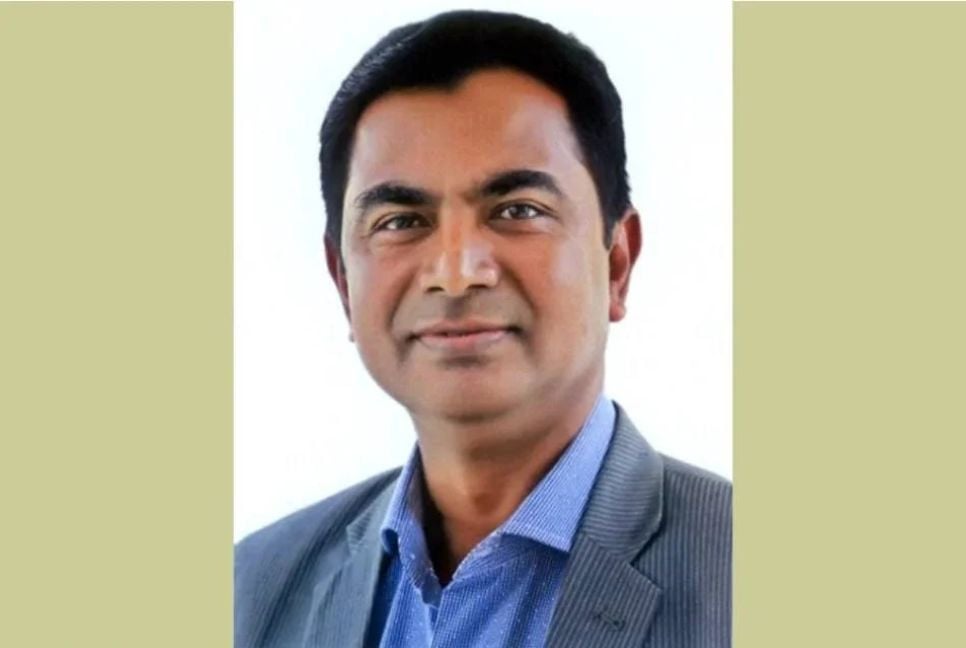
The author is the executive editor of Bangladesh Pratidin