The current global situation is dire. Despite declarations of humanitarian pauses in Gaza, Israel’s attacks persist relentlessly. There is not a single day when Palestinians are not killed—regardless of whether they are women or children.
Except for a few nations, the world overwhelmingly condemns this bloodshed. Yet, has this condemnation managed to stop the violation of humanity? Who will hold the perpetrators accountable? Does the United Nations even have the authority to do so? Aside from poorer and less influential nations, who even listens to the UN anymore? Those with power are often themselves complicit in such acts.
The same applies to many other nations—those who preach humanity the loudest are often engaged in violence and inhumane acts across the globe, while the rest of the world watches in silence.
Still, World Humanitarian Day has returned once more. Since 2009, the UN General Assembly has observed 19 August as World Humanitarian Day, commemorating the 2003 bombing of the UN headquarters at Baghdad’s Canal Hotel. That attack killed 22 humanitarian workers, including Sérgio Vieira de Mello, the UN’s Special Representative to Iraq.
The day honours not only them but all who have been killed or injured in the line of humanitarian duty.
Each year, the day highlights the courage of those who risk their lives to help others in conflict zones or disaster-affected areas. It is a day to acknowledge their service and to raise awareness about the importance, impact, and effectiveness of humanitarian work. The day also calls for their protection and support.
This year’s theme is “Empowering Local Communities and Strengthening Global Solidarity”. It emphasises the critical role of communities not just as beneficiaries but as active participants and leaders in shaping their own futures.
In today’s context—where humanity faces immense challenges—the theme urges a shift in mindset: local communities must be empowered to take the necessary actions to overcome crises. It also encourages building global unity through engagement in humanitarian efforts.
Humanitarian workers around the world brave dangerous conditions to provide basic necessities—even food—to those in need. Many lose their lives doing so.
In Gaza, Ukraine, Sudan, Myanmar, Yemen, and elsewhere, conflict has pushed humanity to the brink. According to UN data, over 224 humanitarian workers have died in Gaza alone, including more than 190 affiliated with UN agencies and others assisting Palestinian refugees.
In 2023, 261 aid workers were killed, 196 injured, and 78 kidnapped—more than double the number from the previous year.
Since May 2024, Bangladesh has been severely affected by a series of unprecedented climate-related disasters—including Cyclone Remal, flash floods in the haor region, and riverbank and flash floods in the Jamuna basin and eastern regions.
While the UN continues to provide emergency relief and assistance—particularly with the Rohingya crisis—it has made little progress in ensuring the safe, voluntary, and dignified repatriation of the Rohingya to Myanmar.
Their pleas to return home have not reached the ears of those truly in power. Until they do, mere declarations of humanitarian concern will remain empty.
Naturally, the question arises—how seriously is the practice of humanity taken in today’s Bangladesh? Be it governmental or private, humanitarian values are sorely lacking. The reasons are both political and structural, including the poor enforcement of the law.
Political rivalries and partisanship often lead to acts of inhumanity. Recently, the term “mob” has become synonymous with brutal killings and other violent incidents. In many cases, even the police have failed to prevent these atrocities. How much longer must humanity cry out in silence? Are we to remain helpless?
Many of us doubt whether true humanitarian values are being nurtured in Bangladesh. Literacy rates have increased, yes—but how many of the educated are truly humane?
Children must be taught compassion and empathy alongside their academic lessons from a young age. Only then can they grow up to be not just educated, but humane individuals.
Families and educational institutions both have a crucial role to play. If we wish to make our society, country, and world more humane, we must start with making people humane.
Everyone should be encouraged to help others in distress, stand by humanitarian workers, and support their safety.
Law enforcement must act more humanely, and citizens should support them in doing so.
Can we not remember the phrase “Above all, humanity” and behave accordingly? Sometimes, a small act of kindness can save a life—or rescue someone from mob violence. Can we not vow, at least today, to build a more humane Bangladesh?
The roots of humanity’s crisis must be addressed. While we may not be able to control natural disasters, we can and must stop man-made threats. We do not want war—we want peace. We want a humane world.
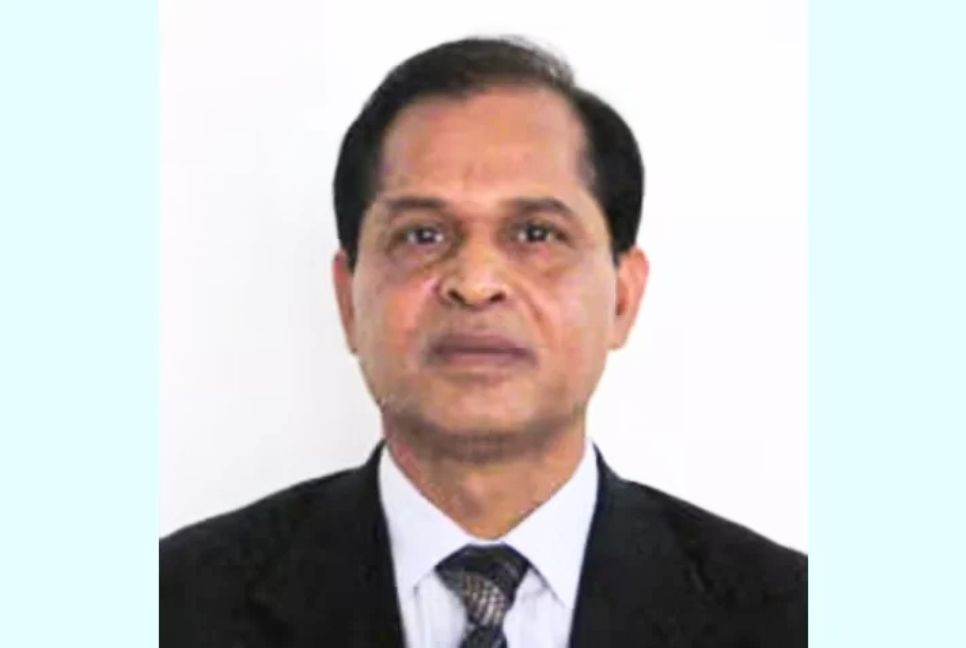
The writer is a former Ambassador and Secretary.