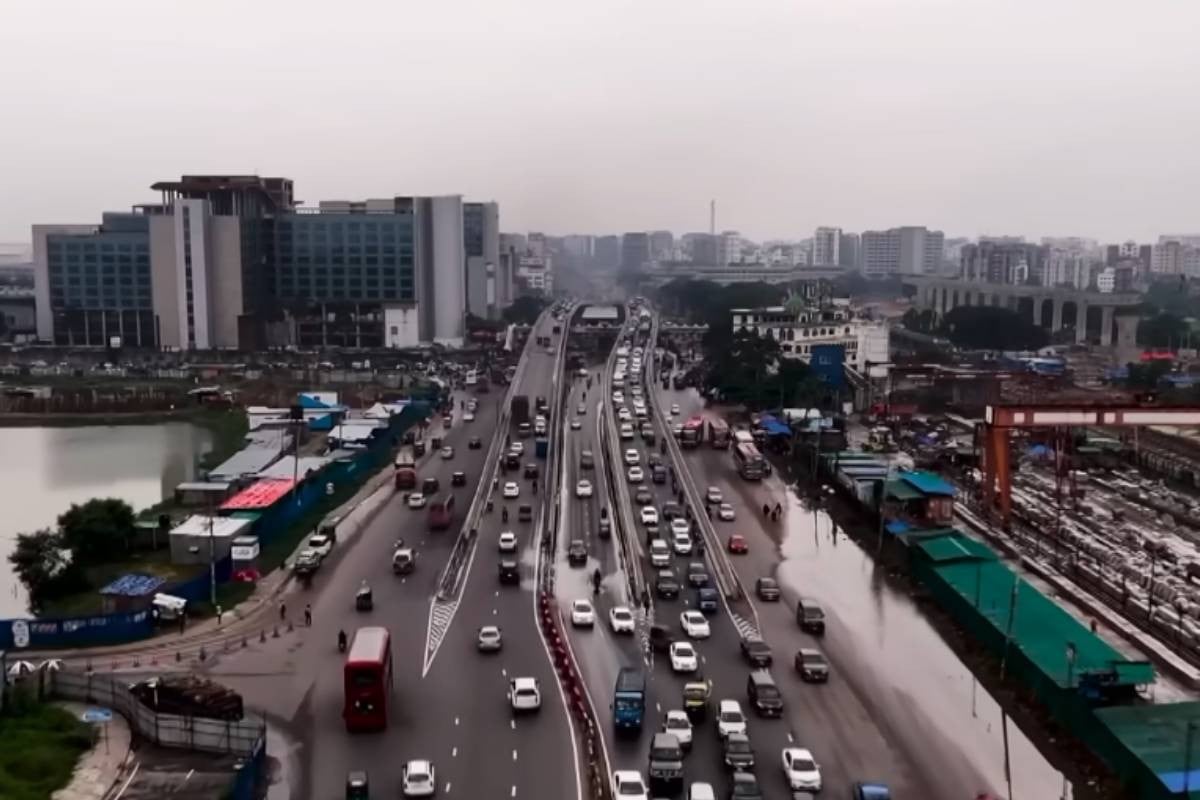
The long-delayed Bus Rapid Transit (BRT) project, first approved in 2012, has once again fallen into uncertainty as the interim government declined to approve a fourth cost revision. Despite more than a decade of planning, the project remains incomplete, with only a few overpasses currently in use.
Originally designed as a 20-kilometer dedicated bus corridor linking Hazrat Shahjalal International Airport to Gazipur, the project was supposed to be finished by 2016. However, construction began only in 2017, and the timeline has since been extended multiple times due to delays, accidents, and repeated cost escalations. The initial cost of Tk 2,040 crore has now ballooned to a proposed Tk 6,240 crore.
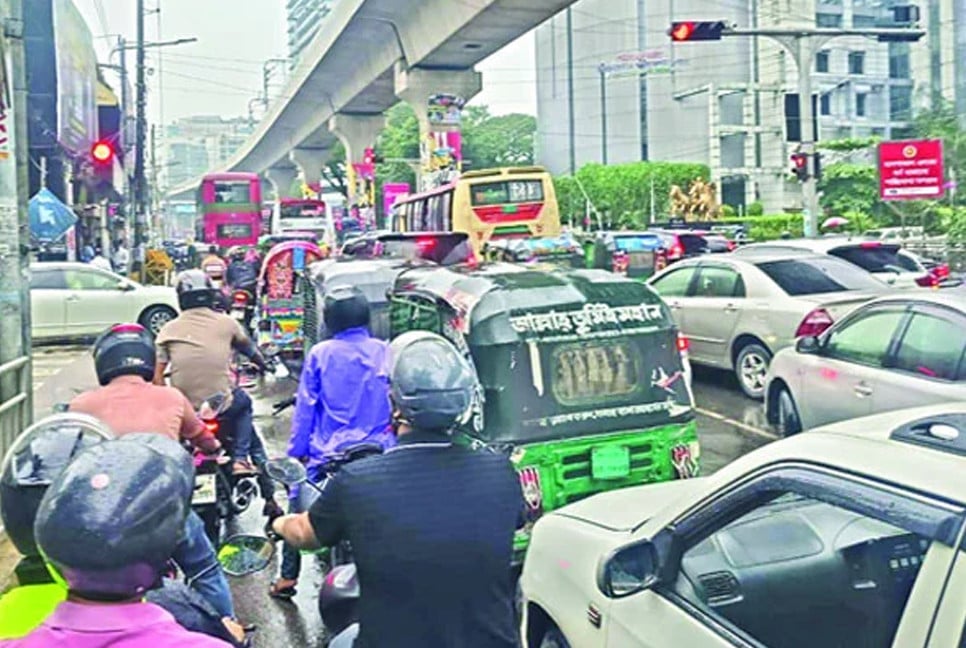
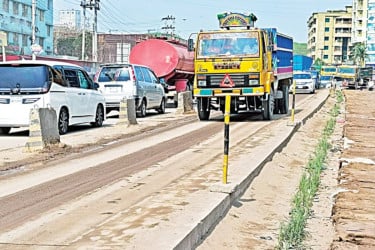
The project’s momentum collapsed after the fall of the Sheikh Hasina government on August 5, 2024, during a student-led uprising. Construction was suspended, leaving several stations in areas such as Airport, Uttara, Abdullahpur, and Tongi incomplete. Pedestrian overpasses remain unfinished, while escalators, lifts, and other passenger facilities have not been installed. In some cases, iron railings have rusted, and construction materials left on-site are being stolen. The unfinished structures have also worsened traffic congestion and pedestrian safety on one of Dhaka’s busiest highways.
The interim government, which assumed office on August 8, 2024, initially attempted to revive the project with a proposal to purchase 137 diesel-powered AC buses and 50 electric buses, equipped with an Intelligent Transportation System (ITS) featuring automated fare collection, GPS tracking, and central monitoring. The plan also included the construction of charging stations and fiber-optic lines.
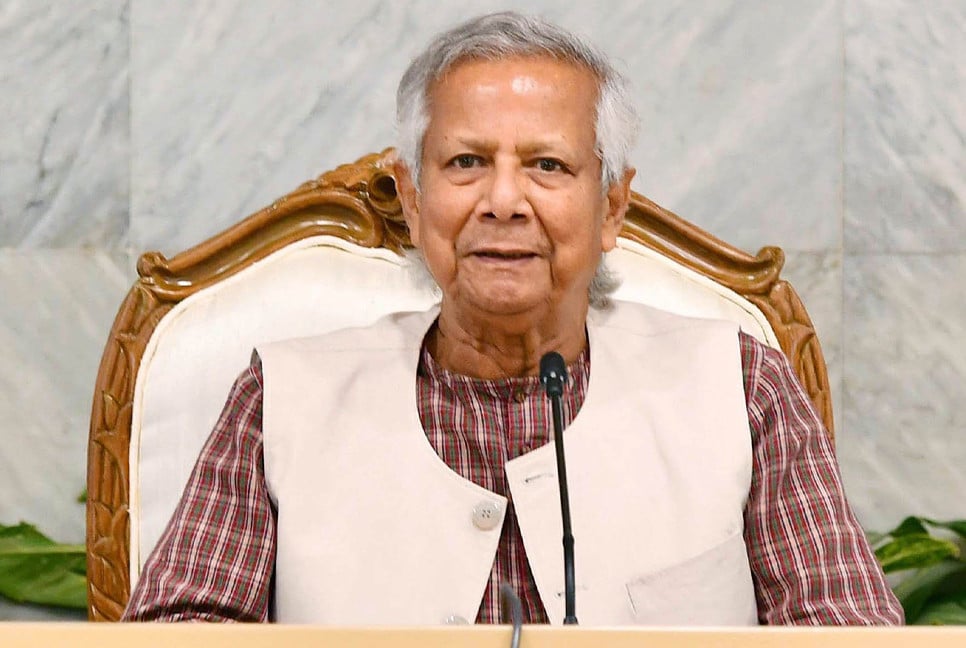
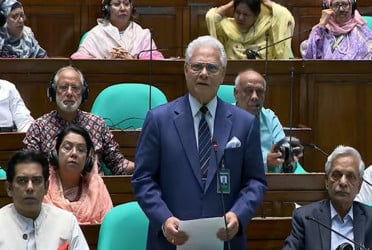
However, the revised proposal, which sought an additional Tk 4,000 crore in funding and extended the project deadline to 2029, was sent back by the Executive Committee of the National Economic Council (ECNEC). Finance and Planning Adviser Dr. Wahiduddin Mahmud criticized the project as “a monstrous and unplanned mega-project,” promising a full investigation into its flawed design and feasibility studies before any decision is made.
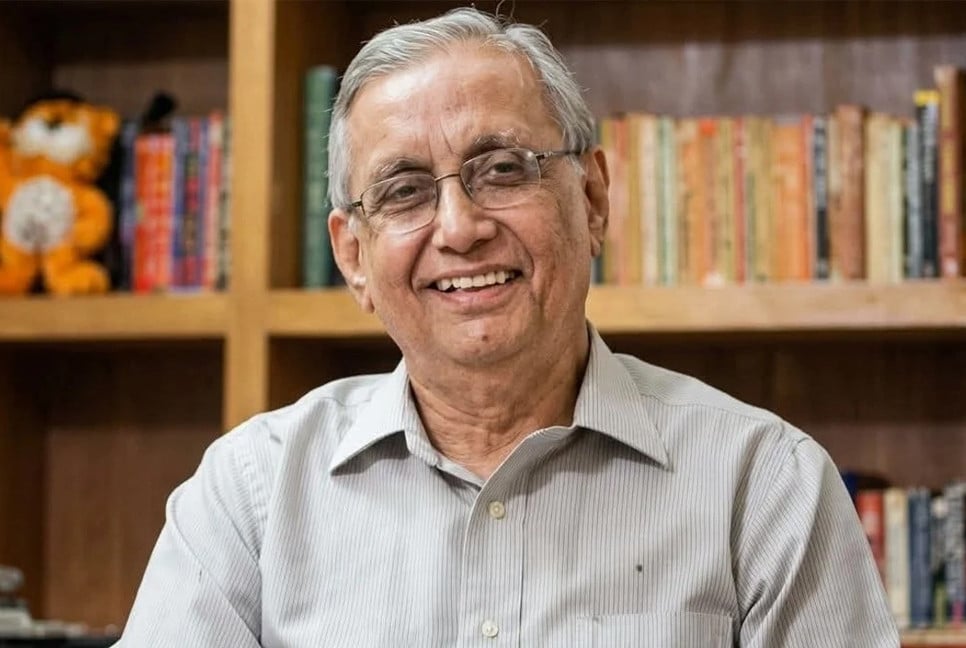
Experts argue that the BRT concept itself is sound, with successful models implemented worldwide. But in Bangladesh, poor planning and lack of technical expertise have fundamentally altered the project’s character. “Many countries have implemented similar projects effectively. Here, due to inexperience and flawed decisions, it has become overly complicated,” said Professor Shamsul Haque of BUET’s Civil Engineering Department.
Funded by the Asian Development Bank (ADB), the French Development Agency (AFD), the Global Environment Facility, and the Government of Bangladesh, the BRT project remains in limbo. With national elections approaching, the interim government considers restarting construction too politically risky, leaving the future of one of Dhaka’s most critical transport projects uncertain.
Bd-pratidin English/ Jisan