Progress comes through conflict, and the pursuit of knowledge is marked by a perpetual dissatisfaction. The two move together, but obstacles persist in their path. Who creates these barriers? They arise from entrenched interests—those who are already in positions of power and privilege. Such vested interests consistently hinder the growth of intellectual inquiry and social advancement.
Once, kings ruled. They wanted their subjects to remain unthinking, merely obedient. If the people began to think, they would grow dissatisfied with their condition, perhaps rebel, and thus create conflict with the king. In time, monarchy was replaced by new forms of the state and new rulers, but these too, like the old order, placed obstacles in the way of philosophical thought and progress.
Vested interests have always exploited religion to legitimise power. Kings once claimed divine authority, demanding silent submission from their subjects, with priests lending support out of shared material interests. Philosophers whose ideas challenged these structures, especially those who advanced secular and rationalist thought, were silenced—discouraged, poisoned, burned, even killed.
At heart, rulers have always been despotic and authoritarian. They sanctified private property and used philosophy to glorify it. Science too was co-opted for their own interests: its inventions became tools for propaganda, suppression, and colonisation. Scientific progress, instead of liberating humanity, was used to expand empires and divide people.
Thus, entrenched interests, in order to preserve power, turned into adversaries of human progress and freedom. Their enmity with secular philosophy and scientific inquiry has remained constant through different ages, though the names and faces of such interests have changed. In the modern era, the principal hostile force standing against human advancement is capitalism. Capitalism is not only an economic system but also a philosophical ideal, expressed politically as imperialism. Today, it continues to oppress and exploit humanity across the globe.
It is true that capitalism once played a progressive role. It freed production and people from the shackles of feudalism, expanded movement, thought, and labour, and laid the groundwork for secular humanism—placing man at the centre of worldly concerns. Yet, this revolutionary advance did not weaken the primacy of private property; rather, it strengthened and expanded it. Inequality not only persisted but deepened. The wealth of a few grew alongside the impoverishment of many, and exploitation became more efficient.
At its core, capitalism is rooted in private property. It is secular, but in a crude, materialist sense. In this system, a minority accumulates wealth while the majority are deprived of justice and rights. Its true ideological enemy is socialism. To prevent philosophical support for socialism, capitalism invests heavily in propaganda and suppresses revolutionaries. Its religiosity and morality are entirely anti-human, masking exploitation behind divisions of believer and non-believer, religious and irreligious, even creating communalism.
On this subcontinent, British rulers, the Congress, and the Muslim League—all trained in capitalist politics—used religion to divide anti-imperial struggles, culminating in Partition in 1947, a “gift” of independence scarred by division. Its curse still lingers.
Capitalism, driven by profit, has caused two world wars, and imperial domination and exploitation still persist. Its economic activity—whether trade, investment, or colonisation—amounts essentially to plunder. It fosters selfishness and consumerism, isolates individuals from one another and even from themselves, and entrenches inequality. Though it promotes democracy in rhetoric, capitalism is inherently undemocratic because true democracy demands equality of rights and opportunities, which capitalism constantly denies.
Development under capitalism rises vertically, like a pyramid, resting heavily on the shoulders of the many to elevate the few. It does not flow horizontally like a river, nourishing all. The higher the development climbs, the heavier the burden becomes for those carrying it. Capitalism is also patriarchal by nature, making women’s oppression inevitable under its rule.
In our country too, capitalist economics and its beneficiary class dominate ideologically. Development is taking place, but so too is inequality growing sharply. In colonial times, patriotism inspired the struggle for liberation. Now, our gaze is turned toward the capitalist world. Capital, wealth, and talent are being siphoned away, while our economy becomes a market for foreign goods. The service sector expands while agriculture and industry decline. Farmers, once the lifeblood of the nation, lose their land and turn into labourers. Villages are impoverished; jobless people crowd into cities, where they remain half-employed, living in slums. Banks hoard idle money, while corruption festers inside them. Women have advanced, but their safety has not. Our pride—the garment industry—rests precariously on the exploitation of cheap labour.
Capitalism breeds inequality, moral decay, and exploitation while masking itself as progress. For all its rhetoric of modernity and democracy, it remains the greatest obstacle to human emancipation today.
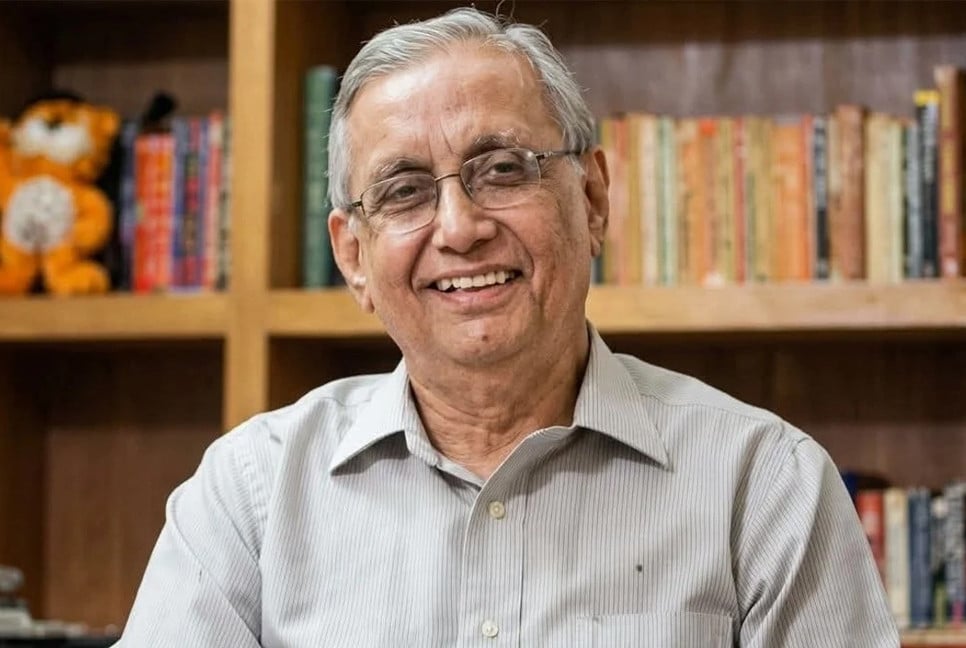
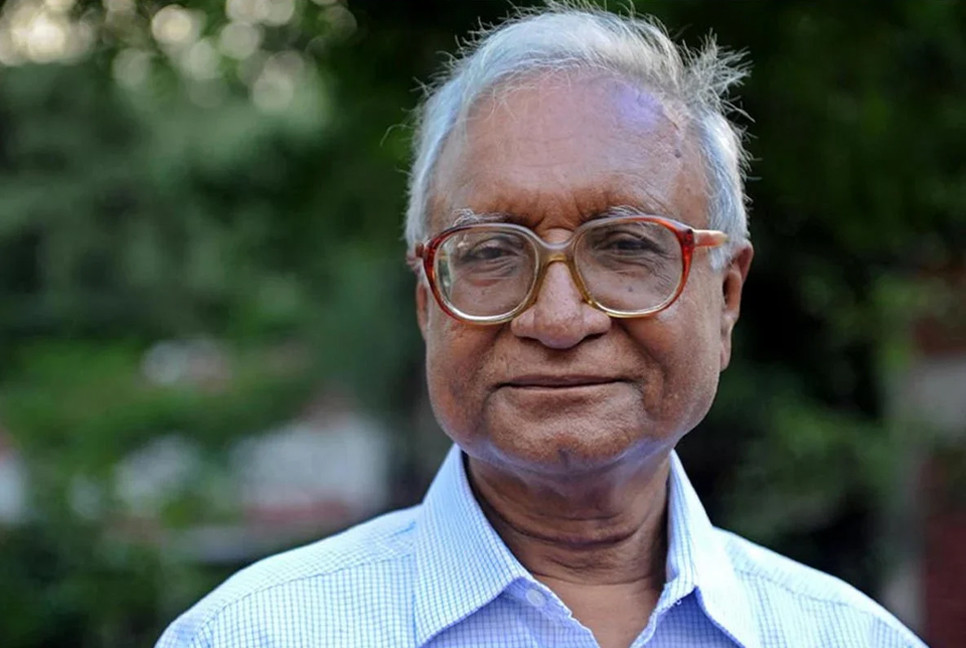
The writer is emeritus professor, University of Dhaka