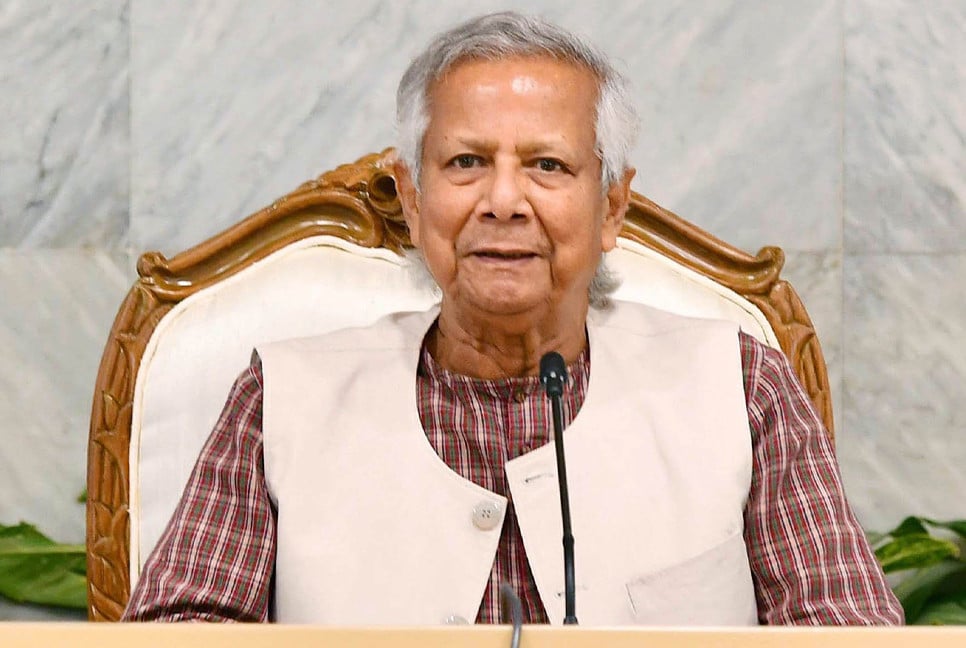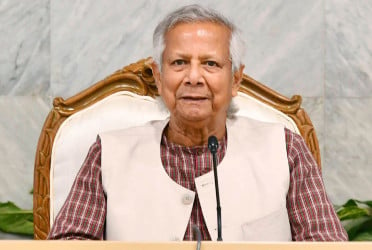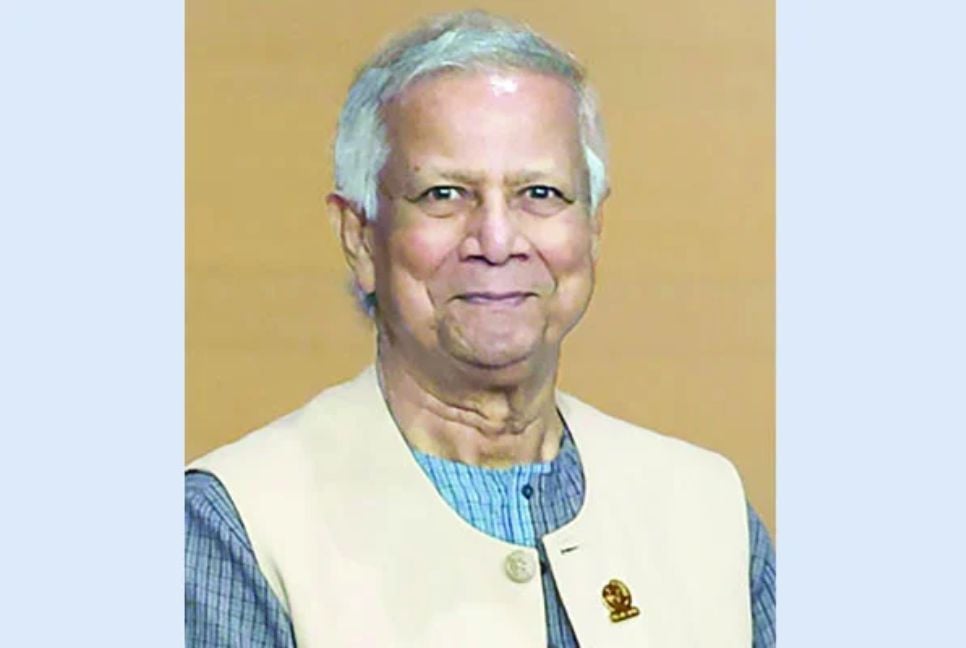
On the first anniversary of the July Revolution, Chief Adviser Professor Muhammad Yunus announced a specific roadmap for the election.
In a speech to the nation, he declared that the election would be held in February. Just two days later, the chief election commissioner stated at an event in Rangpur that the election would take place in the first half of February.
People and political parties are eagerly awaiting the polls. While the announcement has brought relief and joy across the country, it has also sparked anxiety and apprehension. Even after the chief election commissioner’s statement, many still doubt if some unforeseen incidents, violence or unrest might derail the election.
This persistent doubt stems from five main reasons.
First: Law and order situation
The law and order situation in the country is still out of control. In many places, mob violence, extortion and robbery have taken a severe turn.
Right after the chief adviser’s speech, some criminals killed journalist Asaduzzaman Tuhin in Gazipur. The murder was not only unprecedented but also barbaric. Such incidents create widespread public fear.
The deterioration of law and order in various parts of the country has caused fresh concern. If there is no significant improvement in law and order over the next six months, will it even be possible to hold a free and fair election? If mob violence continues and criminals operate freely, not only will voters feel unsafe and lose interest in going to the polls, but the influence of muscle power and illegal arms will also be visible, which is enough to ruin the entire electoral environment.
It has been a year, but the police force has not yet performed its duties properly. Their inactivity remains unresolved. The presence of the armed forces at the field levels is perhaps the only reason the situation is somewhat under control; otherwise, the rule of “might is right” would have taken over entirely.
But how long can this military oversight last? Before the election, the police must be active. If necessary, the powers of the armed forces should be expanded to help organise and strengthen the police.
Without an active police force, controlling law and order will not be possible. Therefore, the most urgent priority now is to make the police active and effective in performing their duties impartially and without fear.
Second: Renewed tension among students
Right after the election announcement, tensions flared at Dhaka University. Students besieged the vice chancellor’s residence at midnight on Friday, demanding a ban on student politics in residential halls.
The VC eventually accepted the demand. The upcoming Dhaka University Central Students’ Union (DUCSU) election makes this situation worrisome. We know Dhaka University has historically been the cradle of movements. Any incident there spreads nationwide quickly. The interim government must closely monitor the situation at the university.
Questions have arisen about whether holding DUCSU elections before the national election is logical and whether the authorities are prepared for it. The campus remains volatile, with various groups trying to assert control.
Conflicts between different student organisations, such as the one between Bangladesh Islami Chhatrashibir and leftist groups on 5 August, and the siege over Chhatra Dal’s committee, show that the campus is still heated.
This tension will likely increase around the DUCSU elections. Any group trying to disrupt the election would not be surprising.
The situation in other public university campuses is also unstable. Those are not under full administrative control. Universities cannot and should not be controlled by police or law enforcement agencies. Restoring normalcy requires close attention and active measures by university authorities.
They must ensure that no unwanted incidents occur around student elections. Simply announcing election dates and watching events unfold would be a grave mistake. Any untoward event in the DUCSU elections could cost the nation dearly, inevitably affecting the next national election.
Therefore, student elections must be conducted cautiously, prioritising free and fair polls over victory or defeat.
Third: Recovery of illegal weapons
Following the chief adviser’s election roadmap announcement, illegal weapons have been recovered from various locations in Dhaka. It is no mystery that these weapons were looted from police stations after 5 August. Many such weapons remain scattered across the country.
Illegal arms are a major reason for worsening law and order, as they could be used in the upcoming national election. The government must immediately launch operations to recover them. Without recovering these weapons, fears about the election will not subside.
We must remember that the main goal is not only holding an election, but it is free, fair and impartial. There is no alternative to recovering illegal weapons to achieve that.
Meanwhile, terrorism and extortion have resurged, and criminal networks are trying to reassert dominance. Juvenile gangs have become increasingly dangerous. These gangs and top criminals must be placed under strict surveillance and brought to justice.
Questions about how some have been released from prison must be addressed. Without swift and firm action against them and the recovery of illegal arms, the risk of large-scale election violence cannot be ruled out.
Fourth: Creating a normal environment
With only six months left, the country must be brought into a state of calm and stability. The government must create a business-friendly environment because the festival of democracy can only succeed if people are free from fear, can express their opinions openly, and share their views with political parties without intimidation.
Harassment of businesspeople, such as freezing bank accounts, filing false murder cases and other forms of persecution, must stop immediately.
Ensuring a business- and economy-friendly atmosphere is a must. Safety in workplaces for other professionals must also be ensured.
Businesspeople must be freed from extortion and allowed to invest and operate without fear in the coming months. The reality is that a stable socio-economic environment is essential for free and fair elections. The sooner the government accepts this, the better.
Fifth: Allegations against members of the advisory council
Various allegations have surfaced against several members of the advisory council. Recently, a former secretary publicly accused eight advisers of corruption. Whether or not all eight are corrupt, specific allegations against some cannot be ignored.
In particular, the two advisers representing students should resign immediately after the election schedule is announced, as their links with the NCP are now public.
In the interest of ethics, they should step down. Whether or not they contest the election is a separate issue, but the interim government must adopt a completely neutral stance to avoid future questions.
Questions have also been raised about certain advisers as they have stirred controversy wherever they go. In such circumstances, it is fair to ask whether keeping them in the council after announcing the election roadmap is justifiable.
Most importantly, the chief adviser has stated that the government’s sole focus is creating a supportive environment for a free, fair and impartial election. To achieve this, everyone must work together. The government must do whatever is necessary to hold such an election because time is running out, with only six months left. Within this period, an environment conducive to holding an election must be established in the country.
____________________________
The writer is a playwright and columnist.
Email: [email protected]