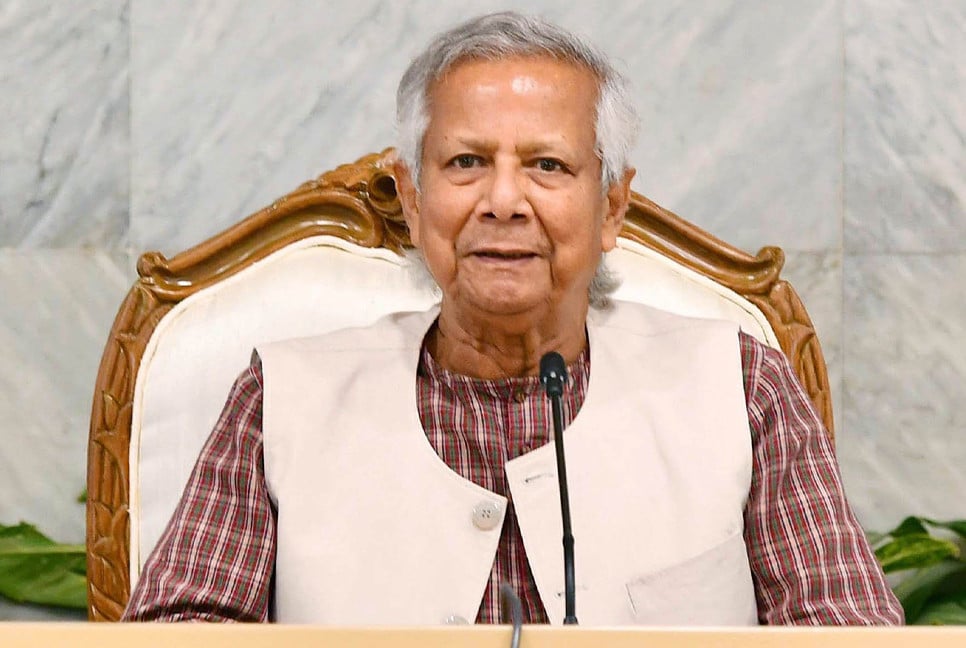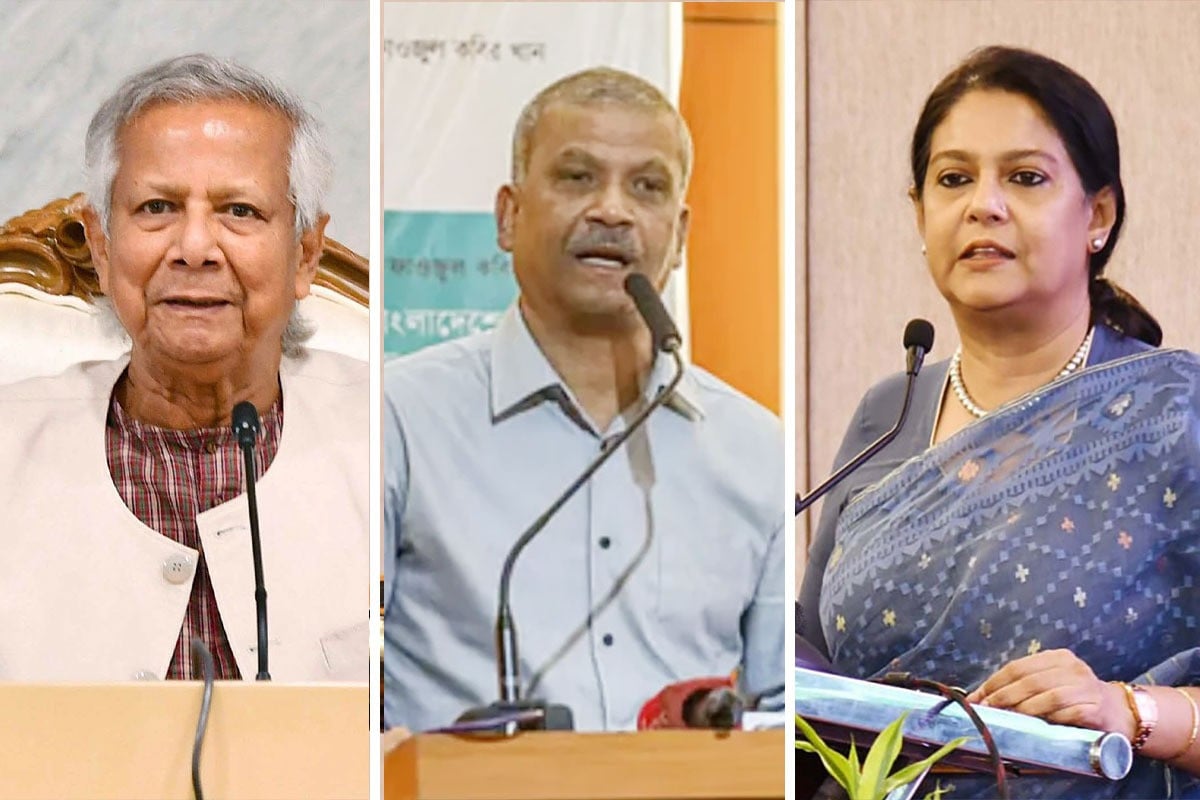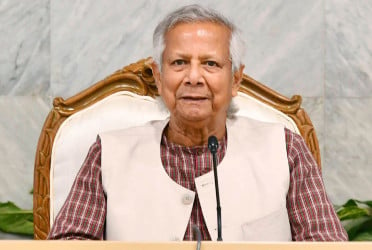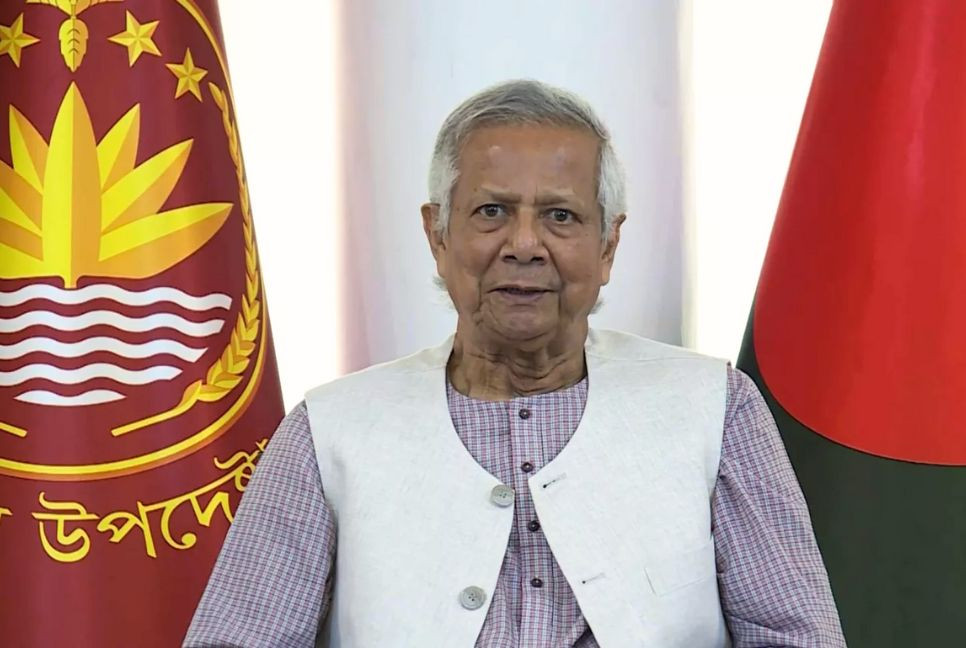
Following the blood-soaked July Uprising led by students and ordinary citizens seeking a just and democratic Bangladesh free from inequality, an interim government was formed under the leadership of Nobel Peace Prize laureate Professor Dr Muhammad Yunus on 8 August last year. However, that government has not been able to fully achieve its stated objectives.
Most of the recommendations made by various reform commissions—on the constitution, media, labour, judiciary, and public administration—remain unimplemented, with no clear roadmap for action.
Furthermore, the National Consensus Commission failed to present the "July Charter" to the nation due to a lack of political consensus among parties on the issue of reforms.
Nevertheless, during this period, the chief adviser of the interim government announced a roadmap for national elections, which has been considered one of the government’s most significant achievements.
Additionally, on the anniversary of the uprising, 5 August, he presented the "July Declaration" at Manik Mia Avenue, alongside representatives from various political parties.
To mark the one-year anniversary of the interim government, the chief adviser’s press secretary, Shafiqul Alam, posted on Facebook on Thursday, listing 12 "achievements" of the administration.
In his post, he highlighted government efforts to support the injured and bereaved of the July movement, restore law and order and the economy, initiate electoral planning, and reform initiatives.
Claiming that peace and stability have returned to the country since the July Revolution, Shafiqul Alam stated: “As a result, the cycle of anarchy and vengeance has ended. Professor Muhammad Yunus’s moral leadership has been the driving force behind this stability, steering the nation away from violence and towards reconciliation and democracy.”
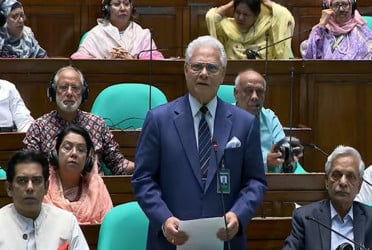
However, Salahuddin Ahmed, a member of the BNP’s National Standing Committee, told the media that the nation had higher expectations from the government. He said the administration had failed at times to take timely and appropriate steps, particularly in maintaining law and order. Nonetheless, he noted that the Chief Adviser’s letter to the Election Commission was perhaps the most significant action of the past year, adding: “The nation had been waiting for this.”
Representatives of student bodies, political parties, and organisations working on good governance and human rights—all of whom participated in the uprising—have expressed dissatisfaction with the government’s performance. According to them, the interim administration has not succeeded in stabilising the country’s fractured political, economic, and social landscape, left in disarray by the deposed Awami League government. In some areas, incidents of mob violence and political clashes have actually increased.
Many also expressed disappointment over the lack of adequate medical support for those injured in the uprising, and criticised the government's failure to compile a complete list of the injured and the martyrs.
Faisal Mahmud Shanto, joint member secretary of the National Citizen Party (NCP), said to the media, “There are both achievements and shortcomings. The most disappointing aspect is the government's failure to produce a complete list of the injured and martyred, and to rehabilitate their families. It also couldn’t significantly improve law and order. Some much-needed institutional reforms have yet to begin. That said, there have been some successes.”
Sources noted that upon taking office, the interim government faced widespread public concern over issues such as the fragile economy, a disrupted trade sector, market manipulation, extortion syndicates, mob violence, deteriorating law and order, and general political instability. But despite high hopes, progress in these areas has not met expectations.
Macroeconomic indicators—except for foreign currency reserves, remittances, and inflation—have continued to decline. The business community is plagued by a lack of confidence, and both domestic and foreign investments remain sluggish.
Several factories have shut down due to inability to operate, unemployment has risen, and no significant new employment opportunities have emerged. The coordinated monetary and fiscal policies needed to stimulate job creation have not been introduced in the past year.
In an attempt to control inflation, the government has implemented repeated contractionary monetary policies, causing private sector credit growth to fall to just six to seven per cent. As a result, entrepreneurs have withdrawn from business activities.
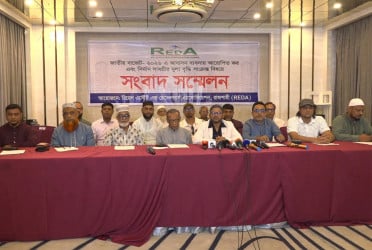
Businesspeople complain that their voices are not being heard by the government. Allegations have also emerged that a climate of fear and extortion has been created in the business sector through false cases, summonses of bank accounts, and threats—leading many to consider exiting the market altogether.
Government insiders and experts also said that the administration had promised to reform public administration, the judiciary, and law enforcement agencies to make them more citizen-friendly, yet little progress has been made.
Some decisions have deepened divisions within the civil service. Instability in the police and judiciary also persists. No significant reforms have been initiated in the education or health sectors.
Even after forming commissions and receiving recommendations, reforms in the media, labour, and women's rights remain stalled. As during the previous authoritarian regime of the Awami League, the media continues to face suppression. Besides intimidation, incidents such as the takeover of national dailies have also taken place.
In a report titled “One Year After the Fall of the Authoritarian Regime: Expectations and Realities”, Transparency International Bangladesh (TIB) stated, “Media offices are being targeted by mobs to instil fear. Attacks and harassment against journalists, writers, and human rights activists continue unabated.”
Maliha Namlah, former coordinator of the anti-discrimination student movement at Jahangirnagar University, told the media, “After the uprising, we were unable to form a truly revolutionary government. The current administration is an interim electoral government. The aspirations that fuelled the student and public uprising cannot be fulfilled by this administration. There has been no visible progress on issues like genocide trials or recognition of July’s freedom fighters.”
Bd-pratidin English/FNC