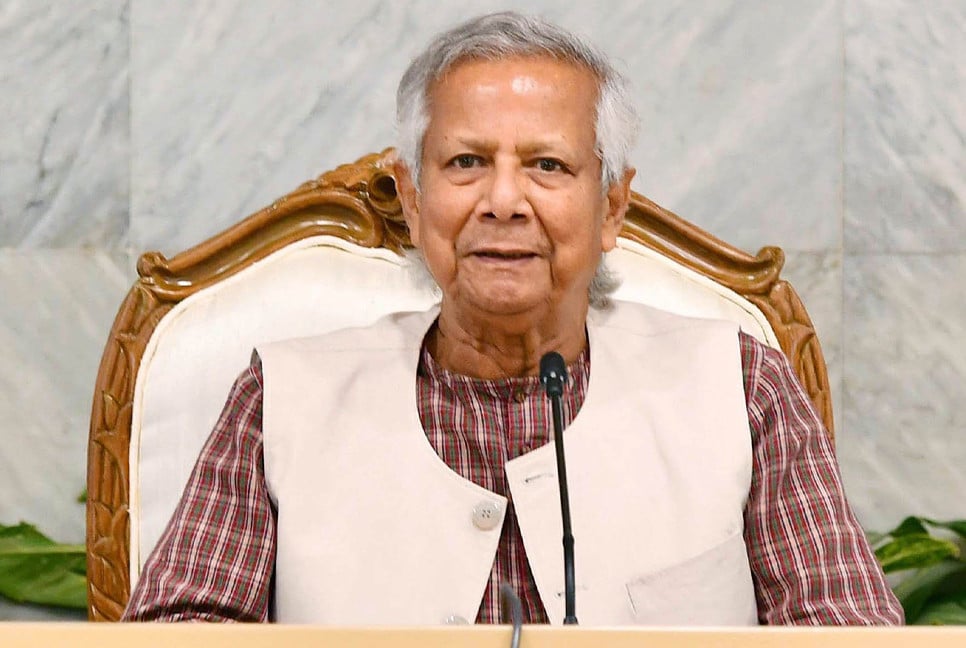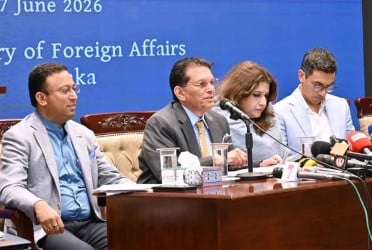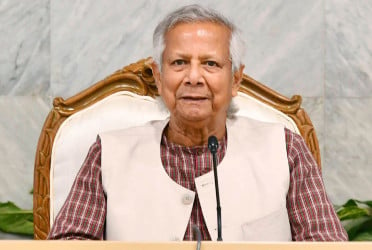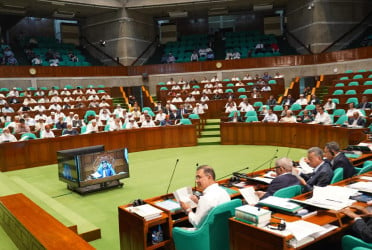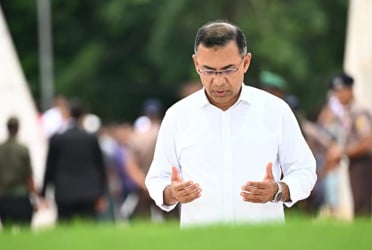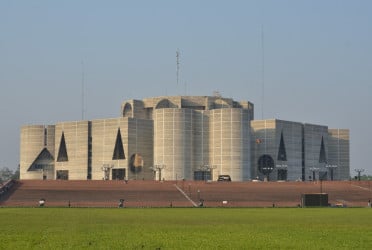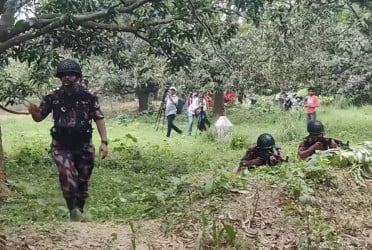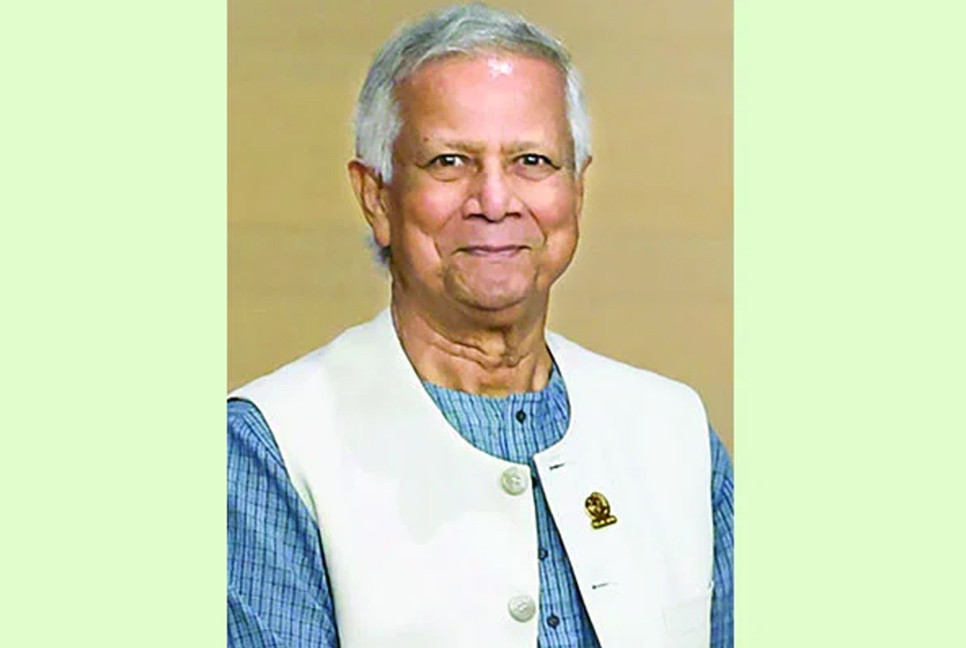
Last year, 5 August marked the day of liberation from fascism. People were freed from the clutches of autocracy. Bangladesh once again achieved a form of independence. This year, 5 August became the day of fulfilling people’s aspirations – the day uncertainty and anxiety were dispelled. Like a refreshing rain after intense heat, the chief adviser’s address to the nation on Tuesday night, 5 August, ended all speculation and worry. He kept his word. He fulfilled his commitment and proved why he holds such a unique and respected position. His speech brought soothing relief across the country. In this important address, he announced a specific election timeline and unveiled a roadmap for the elections. It was officially declared by the interim government that elections would be held before Ramadan in February next year. This announcement was long-awaited and highly anticipated by the entire nation.
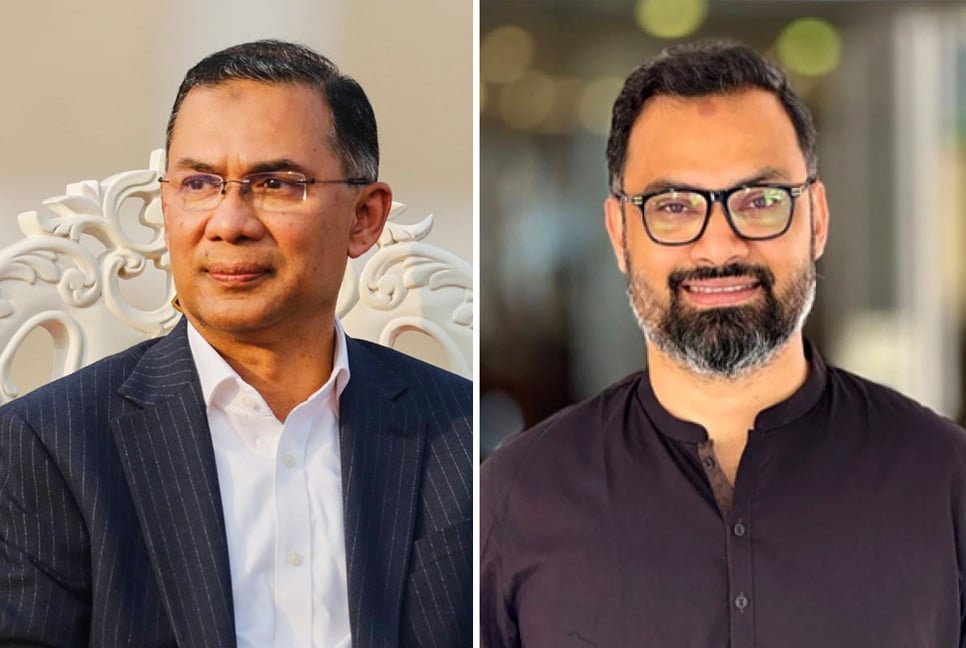
Amid political crisis and uncertainty, the chief adviser met with Tarique Rahman, acting chairman of BNP, in London on 13 June. Following that meeting, a joint declaration was issued promising to hold elections by February after achieving tangible progress in reforms and judicial processes. However, various complications arose thereafter. In the name of reforms, the Consensus Commission began creating one complexity after another. Meeting after meeting was held. Using the pretext of state reform, new issues were introduced, throwing the entire electoral process into uncertainty. Many began to believe that elections might not take place at all. A small segment of political parties and civil society members seemed uninterested in elections. It appeared that some preferred a non-elected government to remain in power like a burdening, immovable rock. During this time, Prof Muhammad Yunus displayed patience and wisdom, while BNP, particularly Tarique Rahman, also showed political foresight and restraint. They did not fall into the trap of unwanted controversies and divisions regarding state reforms. Instead, under Tarique Rahman’s directive, BNP’s Standing Committee Member Salauddin Ahmed participated in the reform committee with political sagacity. In these reform meetings, BNP proved that as a major political party, it is flexible and believes in democratic norms and practices. BNP made concessions in the interest of national unity, democracy and the election process. This is the true beauty of democracy – no matter how popular or powerful a political party is, it listens to differing views and gives them space.
By compromising on many issues, BNP helped maintain unity and cleared the path for elections. Yet, doubts remained about whether elections would ultimately take place. These doubts stemmed from the country’s prevailing situation. Increasing mob violence, extortion and the emergence of aggressive, extremist student leaders created an alarming atmosphere. People were filled with fear and despair about the direction the country was heading. Particularly alarming was a Facebook post by a student adviser before 5 August, hinting at another “1/11-like” scenario. Despite all this, the chief adviser remained calm and resolute in his decision-making. Amid conflicting opinions and divisions, he chose to listen to the people’s voice and fulfil their desires.
We must thank Chief Adviser Prof Muhammad Yunus because he listened to the will of the people. He echoed those aspirations in his speech, proving he has remained connected to the public throughout the past year, consistently listening to their worries and striving to alleviate them. He has remained steadfast in fulfilling the promise of democracy he made a year ago.
Honourable chief adviser, now that a clear electoral roadmap has been announced, only six months remain until the elections. Six months is a very short time. Within this period, you must complete many crucial tasks with utmost seriousness. We know you are a successful, responsible and wise individual. Whatever responsibility you undertake you fulfil it successfully. You have no record of failure in the past. That is why the nation trusts you. The crossing of this electoral river must happen under your leadership. The journey ahead will be difficult, tumultuous and stormy.
We must remember that law and order are fragile. The economic situation is unstable. In such a context, holding a free, fair and neutral election is highly challenging. You must take strict measures from now on. You said in your speech that a free and fair election is critically needed. People have been denied their right to vote for a long time. So, this campaign to restore that right will not be easy. Anti-democratic forces will attempt to question, discredit, or sabotage the election. Overcoming those efforts and conducting the most transparent and impartial election in history is now the duty of the interim government under the chief adviser’s leadership. The public believes Prof Muhammad Yunus will carry out this responsibility successfully.
There are five main challenges facing the election.
Preventing disputes over the election
After the election schedule was announced, BNP and most major political parties welcomed it. Jamaat and the National Citizen Party have also welcomed the election announcement. Both played crucial roles in the 2024 uprising and revolution. They understand the value of democracy and are familiar with democratic norms. They showed the true spirit of democracy. That is the essence of democracy – not all decisions will favour or please everyone, but accepting a collective decision. They will reach out to the public peacefully, present their arguments and foster a competitive electoral environment. Ultimately, the people are the source of all power.
Improving law and order
The current state of law and order is inadequate for elections. Immediate improvements are needed. Criminals, extortionists and mob forces must be suppressed strictly and impartially. No party or influential person should be able to use these forces to occupy institutions, extort money or create fear. The interim government must act firmly from now on. If necessary, military surveillance should be increased. The armed forces had expected elections by December, and now they are scheduled for around that time. The people trust and respect the military and hope it will support the police and law enforcement to ensure a peaceful environment. This is not a difficult task. With sincerity and impartiality, it is possible.
Preventing fascist and autocratic conspiracies
These forces may conspire, spread propaganda and rumours to undermine the election process. The interim government must work to counter such attempts.
International scrutiny
This election is not only important for Bangladesh but also for the global community. The whole world will be watching. The interim government must ensure no foreign nation is misled or confused about the process. Diplomatic efforts must be intensified. Political parties must also remain vigilant. The goal is to prevent any international doubt about the election’s legitimacy.
Creating a peaceful environment
Over the past year, many innocent businesspeople, industrialists and ordinary citizens have faced harassment under the banner of anti-fascist campaigns. Businesses have shut down. Some business owners are being harassed unjustly, labelled as fascist collaborators. This must stop immediately. Those truly involved in crimes or corruption should be prosecuted, but indiscriminate harassment must end. The election should be held in a festive atmosphere. Continued oppression will only create fear and prevent people from voting.
The nation hopes that next February will witness a grand democratic celebration. People will vote without fear. Whatever the outcome, all participating parties will accept the results. The losing party will congratulate the winners. Together, we will walk the path of a new, democratic Bangladesh.
Audite Karim is a playwright and columnist. Email: [email protected]