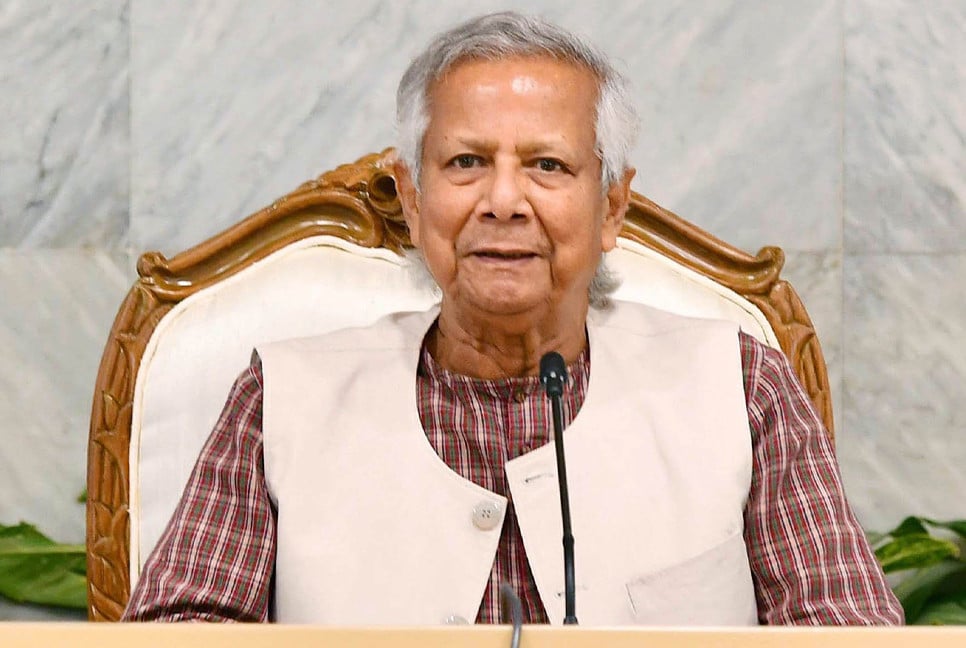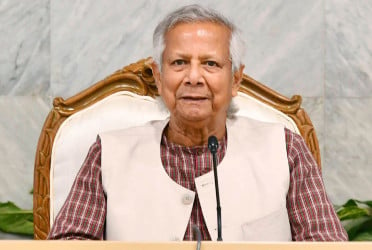
Chief Adviser Prof Muhammad Yunus on Tuesday took two important steps in a single day: reading out the July Declaration in the presence of top politicians, and announcing February as the month of general election. It can be expected that an elected government would soon take over and implement the reform proposals prepared by Yunus’ interim administration.
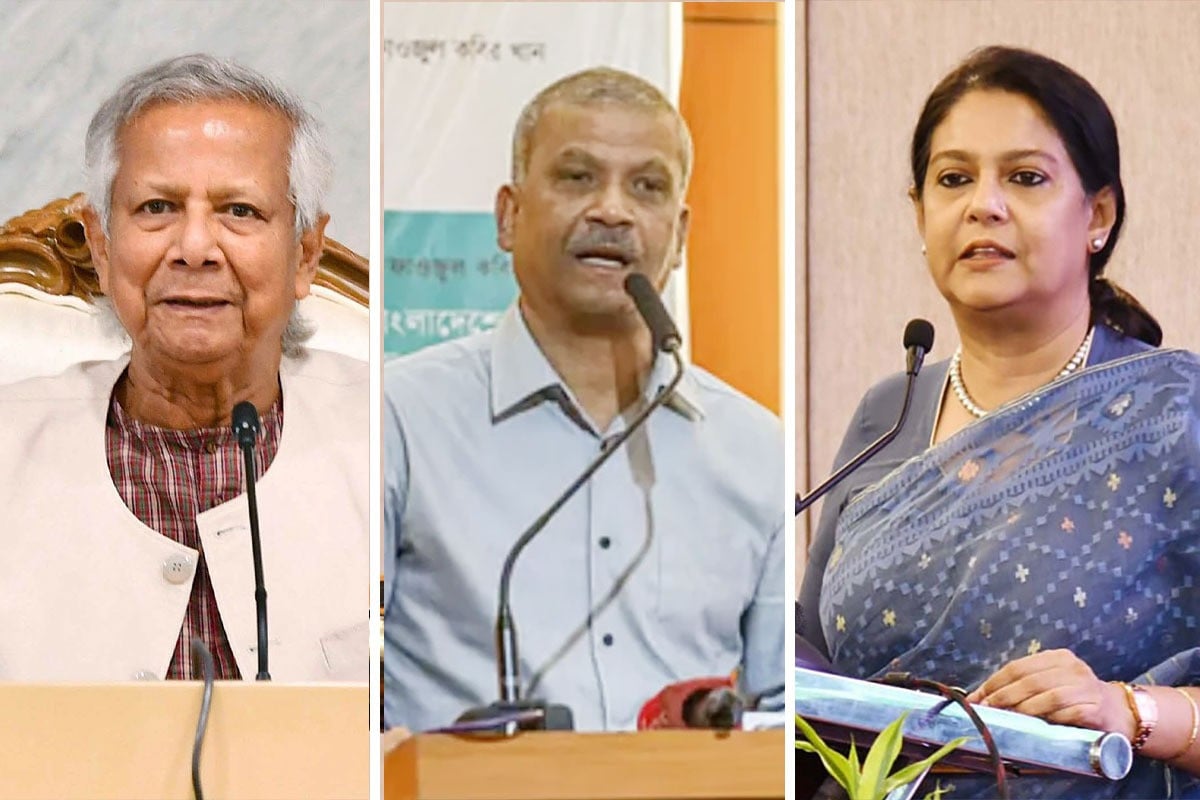
Prof Yunus never had any reservations when it comes to holding the parliamentary elections. There were some impediments though. Some of Yunus’ colleagues in the transitional government as well as the uprising leaders may not have been supportive of the Nobel Laureate’s election plans. Yet, he is pushing through his scheme. If the February elections are truly held in a fair and festive atmosphere, the interim government will have left a memorable final mark in its tenure, drawing plaudits at home and abroad.
But it is not the duty of Yunus alone to ensure that the elections are held, everyone else must remain alert as well. No conspiracy or excuse can be allowed to hinder the process.
On 5 August, amid heavy rain, a large crowd gathered at Manik Mia Avenue awaiting the Chief Adviser. Despite concerns he might join virtually due to the weather, he appeared in person, accompanied by political leaders. He read out the July Declaration, receiving respectful attention from all.
The declaration covers major historical milestones: the 1971 Liberation War, the 1972 Constitution, BAKSAL, the 1975 soldiers-people uprising, the 1990 mass movement, the return to parliamentary democracy in 1991, the 1/11 conspiracy, and controversial elections in 2014, 2018, and 2024. Some felt it lacked references to BAKSAL’s consequences and the August 15, 1975, end of Mujib’s rule.
Clauses 24 to 28 are crucial: 24) Declares martyrs of the July uprising as national heroes; 25) Commits to free and fair elections, legal reforms, and a just society; 26) Focuses on inclusive and sustainable development; 27) Calls for constitutional recognition of the 2024 student uprising; 28) Frames the declaration as the will of the victorious people on 5 August 2024.
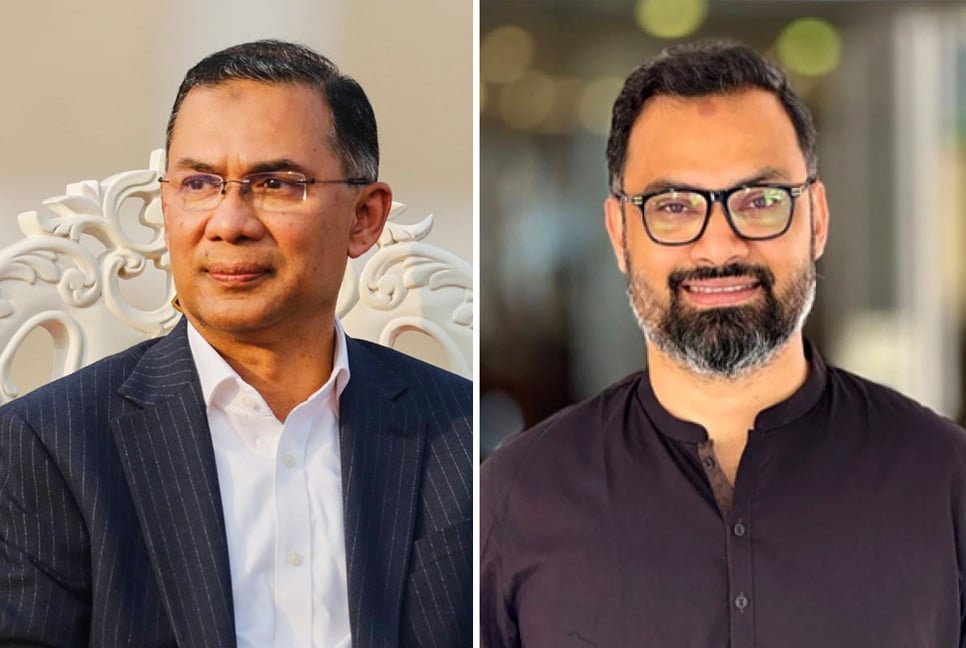
Some political groups opposed the declaration. Concerns arose as five key revolutionaries chose to visit Cox's Bazar that day, rather than join the celebration. It was unclear whether this act was purely recreational or a rejection of the declaration.
The Chief Adviser identified three government goals: reform, justice, and election. He emphasized that the “July Charter” is a historic step for accountable governance and fair power transition. He showed resolve to prosecute crimes against humanity committed in July-August and confirmed that trials have begun.
The national election is planned for February 2026, before Ramadan. He urged all to ensure a peaceful, festive, and inclusive election.
He warned that flawed elections have caused past violence and conflict, and this must not be repeated.
Tomorrow marks one year of the interim government. While progress has been mixed, six months remain to fulfill key responsibilities. Student elections (DUCSU, RUCSU, CUCSU) are upcoming and potentially sensitive. Any disturbance could derail the national polls. Everyone must stay alert.
The people hope the Chief Adviser will complete this final task successfully, as "all's well that ends well."
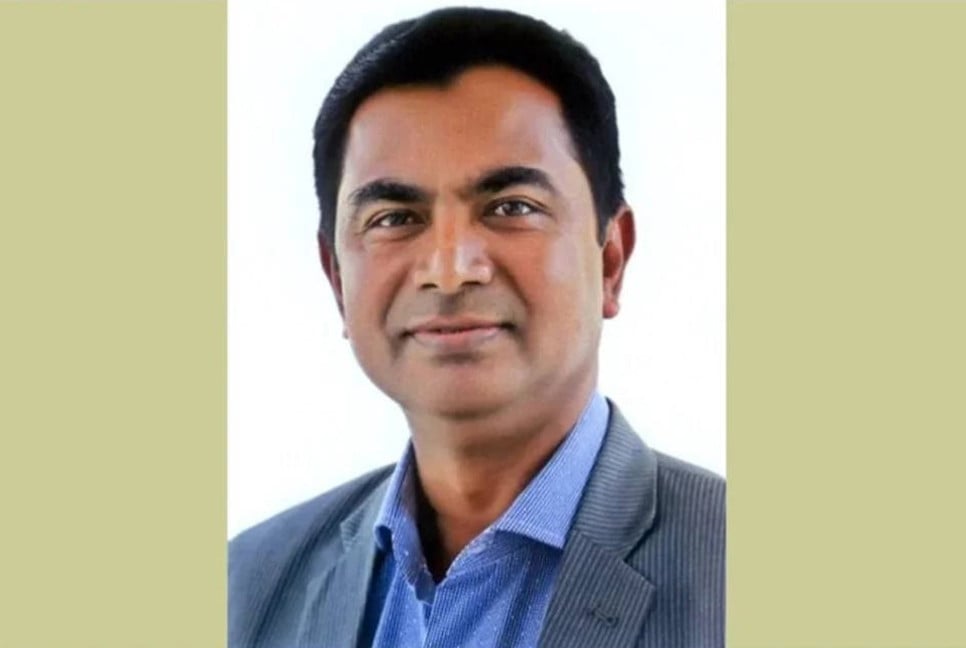
The writer is the Executive Editor of Bangladesh Pratidin. He can be reached at [email protected]