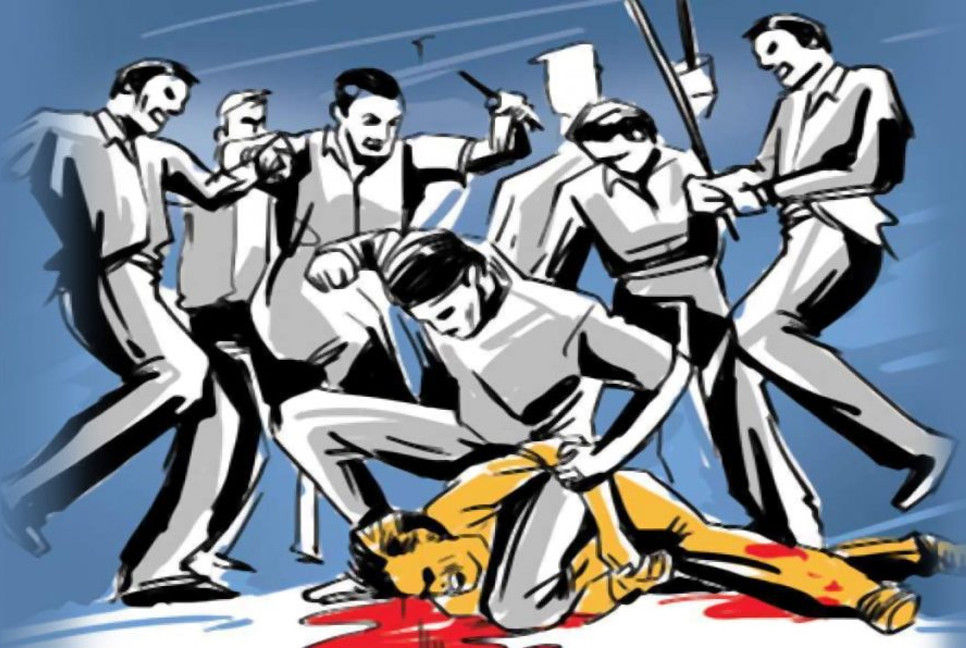
At a time when we speak of civilisation, humanity and progress, a darker, more primitive and brutal side of our society continues to rear its head — that is, mob lynching. A recent spate of such incidents across the country has laid bare the fragility of the rule of law and erosion of basic human values. When a frenzied mob takes the law into its own hands and beats a person to death — often based on rumour or mere suspicion — we are forced to ask: are we truly civilised?
A mob, by nature, is not a single individual.
What one may not dare to do alone, one does without hesitation when part of a crowd. This psychology lies at the heart of mob violence. Analysis of recent incidents shows that rumours are the primary trigger in most cases. With the unchecked spread of social media, a false piece of information or speculation can go viral like wildfire and quickly turn an ordinary group into a violent, irrational force.
According to a Kaler Kantho report citing human rights groups, 253 incidents of mob lynching occurred in the 10 months from September 2023 to June 2024. In these, 163 people were killed and 312 injured. Citing data from the non-governmental organisation Manobadhikar Sangskritik Foundation (MSF), the report adds that at least 41 mob attacks took place in June alone, resulting in 10 deaths and serious injuries to 47 others.
Of the victims, 30 were handed over to the police in injured condition. Accusations against them included robbery, theft, murder, rape and attempted rape, mugging, extortion, blasphemy, religious offence, fraud and abduction.
The rise in mob violence has multiple deep-rooted social, political and psychological causes. Chief among them is the public’s growing lack of faith in the justice system. Delay in trials, political interference, corruption, and a culture of impunity have led people to believe that the legal system cannot protect them or deliver justice.
This frustration and anger breeds a dangerous tendency — to take justice into one’s own hands. The mob believes it is administering “instant justice”, but this is nothing more than barbarity. There is no room for self-defence, no due process — only collective vengeance.
Added to this are social intolerance and moral decay. Our society is becoming increasingly hostile to differing opinions, beliefs, or even minor suspicions. Qualities such as respect, empathy, and humanity appear to be eroding. The gleeful cheers of bystanders during lynchings, filming the act on mobile phones, and the unhealthy rush to share the footage online show how we have started to consume death as a form of entertainment.
Political patronage and criminal impunity also fuel mob violence. In many cases, influential local groups, under political protection, incite or shield those involved. When state mechanisms fail to stop such mobs or to punish the perpetrators, it sets a dangerous precedent. Inaction or failure by law enforcement emboldens the mob further, eroding the last shreds of public confidence in the law.
The consequences of mob violence are dire and far-reaching. Such acts instil fear and insecurity across society. People begin to suspect one another. Social harmony and trust — the cornerstones of a healthy society — begin to collapse. Mob justice undermines the very idea of rule of law. When the crowd becomes judge and executioner, institutions such as the Constitution, judiciary, and law enforcement lose their meaning.
We must take immediate and collective action to escape this darkness. First, strict enforcement of the law is essential. Every person involved in mob attacks must be swiftly brought to justice and given exemplary punishment. The state must ensure that no political or social identity can shield the perpetrators.
Restoring public faith in the justice system is crucial. Legal procedures must be streamlined to ensure timely resolution of cases. Justice must be guaranteed, regardless of who the accused is. Only then can trust in the judiciary be rebuilt.
Alongside this, we need social awareness. By improving digital literacy, people must be taught how to identify fake news and refrain from spreading it. Compassion, tolerance, and respect for differing views must be integrated into our education system.
Only by combining legal action with moral and civic education can we put an end to this dangerous trend.
The writer is a journalist and columnist. He can be reached at [email protected]