The imposition of a 20 percent tariff on Bangladeshi garments by the United States is, without doubt, welcome news for our export sector. Had the rate been any higher, it would have significantly hampered the competitiveness of Bangladeshi apparel exporters in the global market.
Bangladesh’s main competitors in garment exports include Sri Lanka, Vietnam, Pakistan, and Indonesia — all of whom face similar tariffs ranging from 19 to 20 percent. As a result, we now find ourselves in a relatively level playing field in the US market.
India, on the other hand, has been subjected to a 25 percent tariff, as it has yet to finalise a comprehensive trade agreement with the United States. Given that India is one of our key rivals, this development may provide Bangladesh with an added advantage.
As for China, tariff decisions are still pending. Should tariffs on Chinese exports increase, it could open up further opportunities for Bangladesh in the US market.
However, if tariffs are reduced, the competition will intensify, presenting a new challenge for our exporters.
Bangladesh mainly exports low-cost, basic garments to the US market — products that are highly price-sensitive. Even if countervailing tariffs are imposed on these items, it may not necessarily translate to higher prices for consumers. This is because US buyers are often reluctant to risk reduced sales and prefer to absorb a portion of the added tariff themselves while passing the rest onto the suppliers. We have observed similar bargaining tactics in the past, particularly during discussions over rising labour wages.
Given this context, US buyers may pressure Bangladeshi suppliers to reduce prices — and may even seek to renegotiate rates for orders that have already been placed. This makes it imperative for our industry to collectively prepare. A unified strategy is essential to withstand the pressure.
The government should work closely with the private sector to devise effective contingency plans. In the long run, our goal must be to diversify both our export destinations and product range. It is high time we set our sights on emerging markets in Europe and Asia.
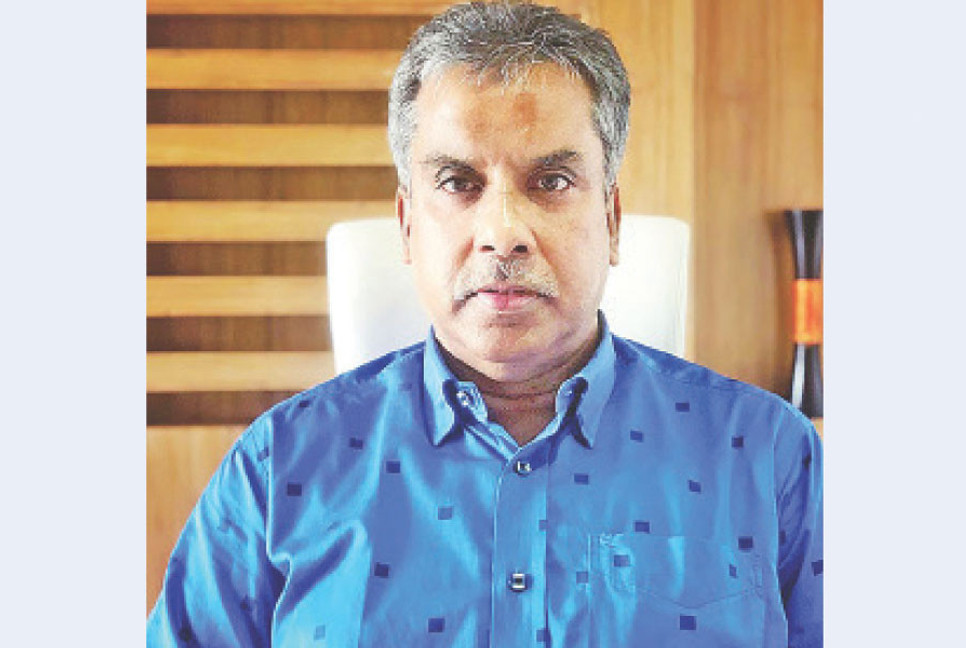
Author: Former President, BKMEA