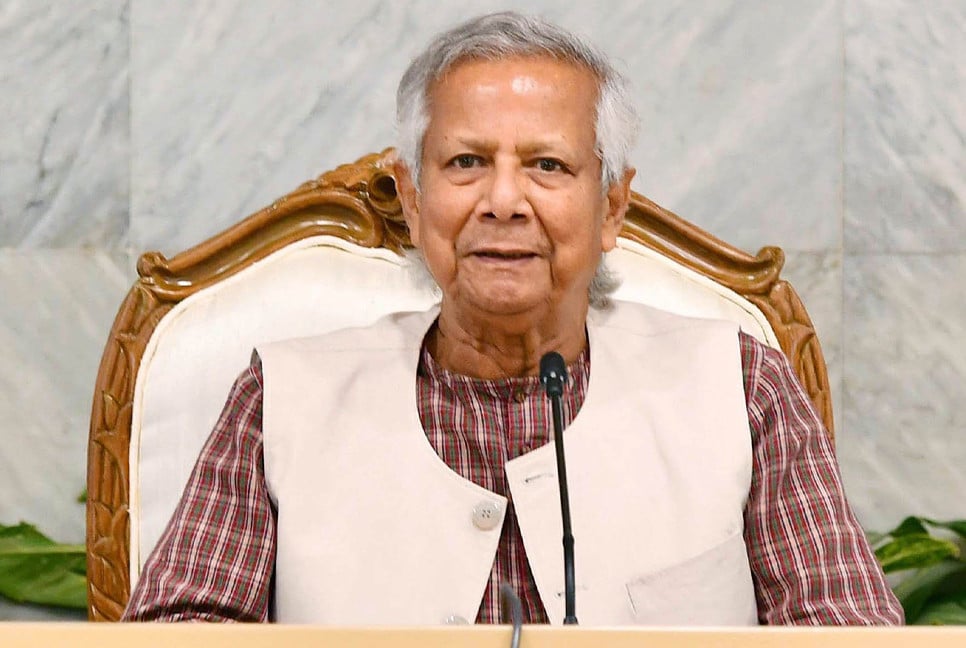
Chief Adviser Prof Muhammad Yunus is set to embark on a bilateral tour to Malaysia next month. His strong ties with the Malaysian leadership and political elite could increase the migration of Bangladeshi workers and improve status of existing expatriate workers.
Since 1989, Bangladeshi workers have regularly migrated to Malaysia, but they’ve often faced exploitation and fraud during recruitment. As a result, Malaysia imposed bans on Bangladeshi workers multiple times (1996, 2001, 2009, 2018, 2024), mainly due to high migration costs, recruitment beyond demand, and illegal overstays.
In 2012, a “G2G” system was introduced at a cost lower than Tk35,000. The scheme ignored all recruiting agencies due to their potential role in corruption and human smuggling. As a result, the scheme could send only 10,000 workers, and hardly got the chance to take off, with vested parties taking the opportunity to call for its cancellation.
In 2016, “G2G Plus” gave monopoly to a 10-agency syndicate, which later expanded to 100 agencies under a 2021 deal. Despite approvals for nearly half a million workers between 2022–2024, many couldn’t go, and Malaysia suspended recruitment again in June 2024.
Recent bilateral talks and working group meetings have aimed at transparent, ethical recruitment, with focus on protecting workers’ rights and fair agency participation. Past experiences show syndicates and vested interests on both sides have harmed workers. For real reform, both governments must act jointly to create a low-cost, worker-friendly, and syndicate-free system—possibly modeled after the 2012 G2G. Hopes now rest on Dr Muhammad Yunus’s upcoming visit to Malaysia to revive this process, but preparations must begin immediately.
The writer is a former ambassador and secretary